Get Premium
Dark mode theme is available exclusively for premium users. Learn more about the benefits of subscribing.
No fees, cancel anytime.

 Dark Mode Ad-Free Browsing Unlimited Content
 Ad-Free Browsing Unlimited Content Dark Mode
Join 1.2 million Panda readers who get the best art, memes, and fun stories every week!


Many high-achievers undertake extra responsibilities outside their scope of work, with 4 in 10 saying they spend about 30% of their workday performing additional duties. These people are usually the first ones to arrive and leave, and their evaluations are always glowing. But some of them still aren’t getting promoted.
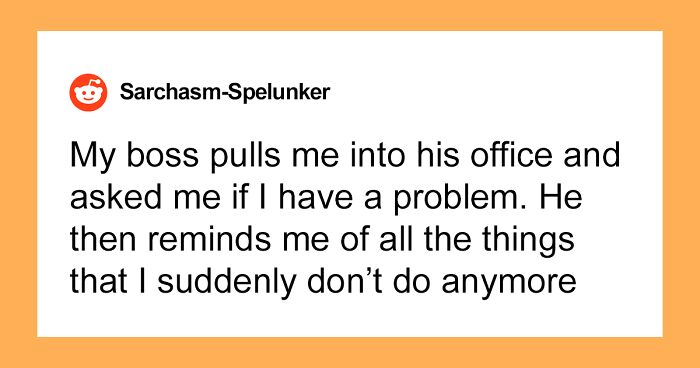
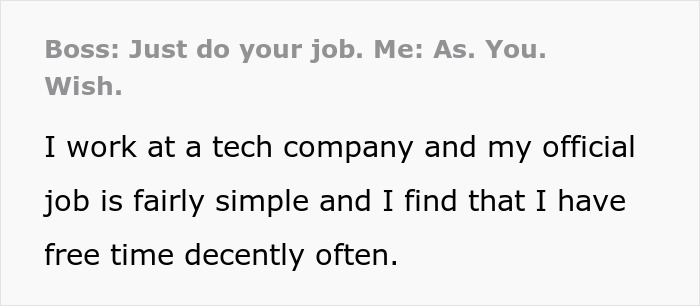
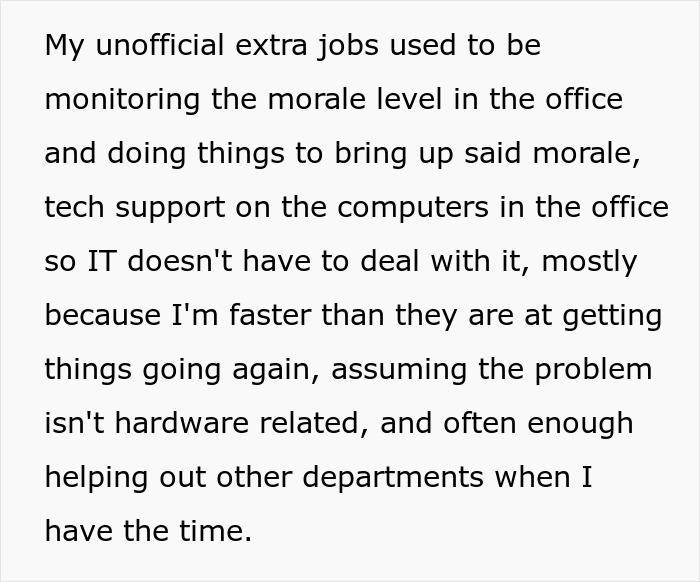
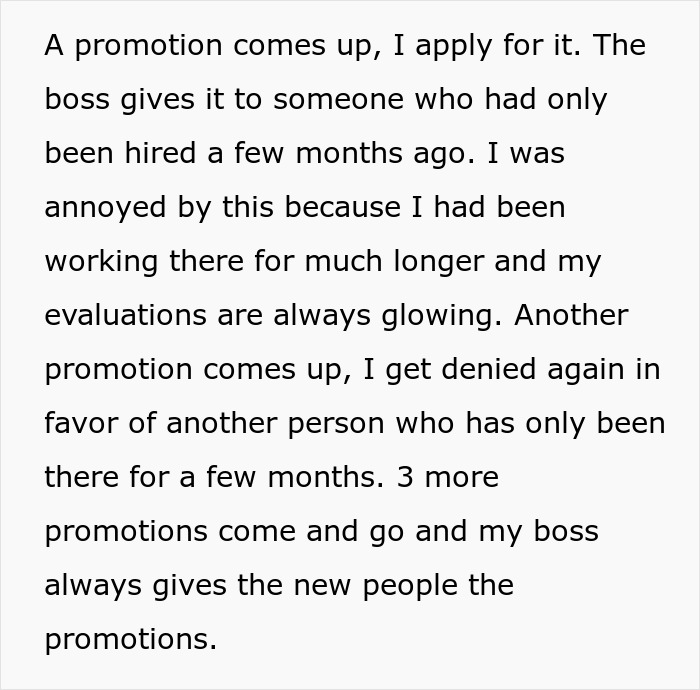
Redditor Sarchasm-Spelunker has found themselves in a similar situation. Working for a tech company, they accumulated extra duties that they didn’t mind doing, as the position was fairly simple. But when they applied for several promotions, the boss chose newbie coworkers instead of them every time.
Despite many efforts, the employee realized that they weren’t going any further in the company and decided to “quiet quit.”
Scroll below to find the full story and a conversation with human resources expert Kate Walker, who was kind enough to tell us more about “dry promotions.”
Image credits: David McEachan / pexels (not the actual photo)
Image credits: Tima Miroshnichenko / pexels (not the actual photo)
Image credits: Polina Zimmerman / pexels (not the actual photo)
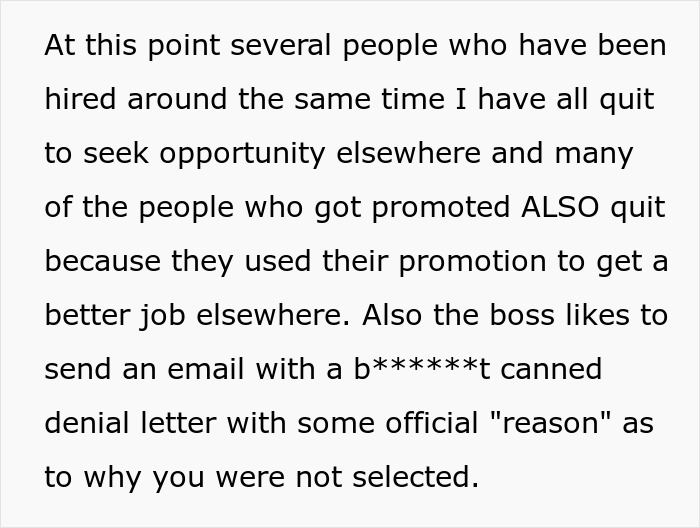
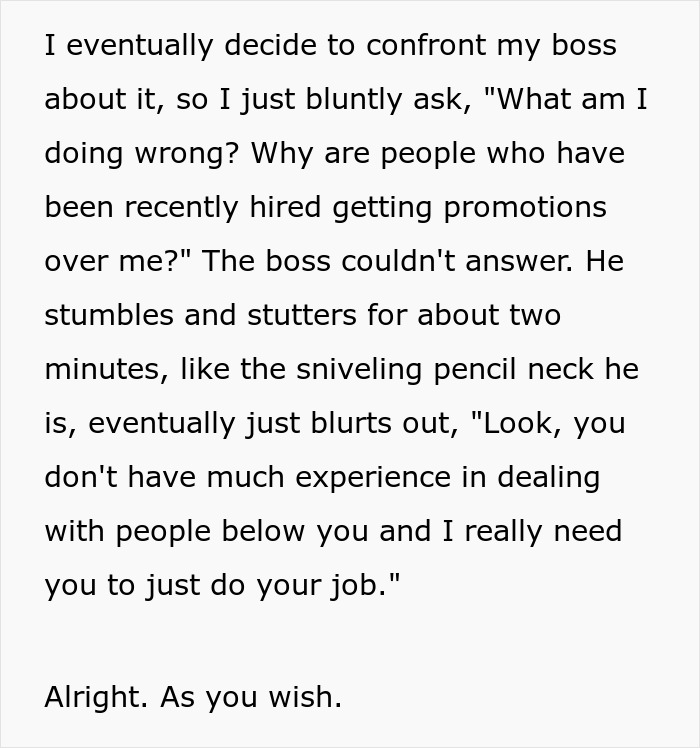
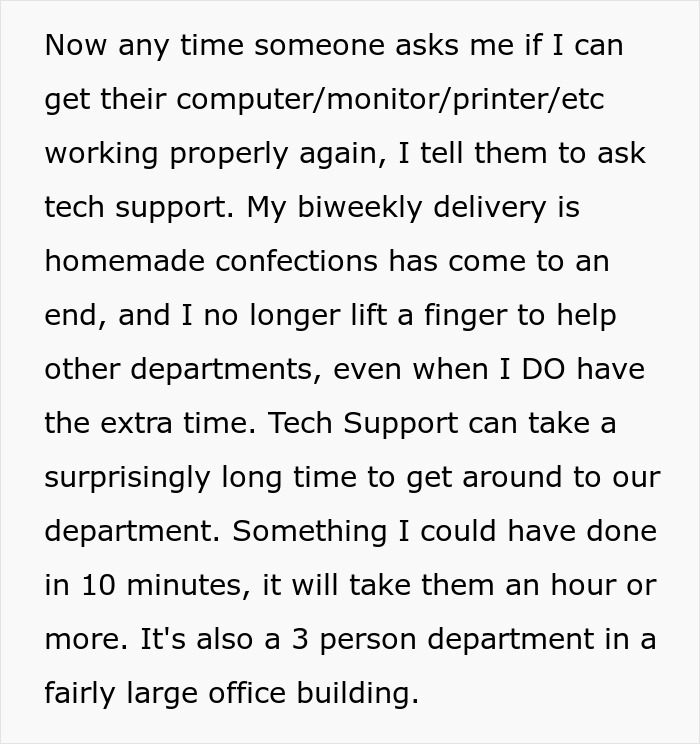
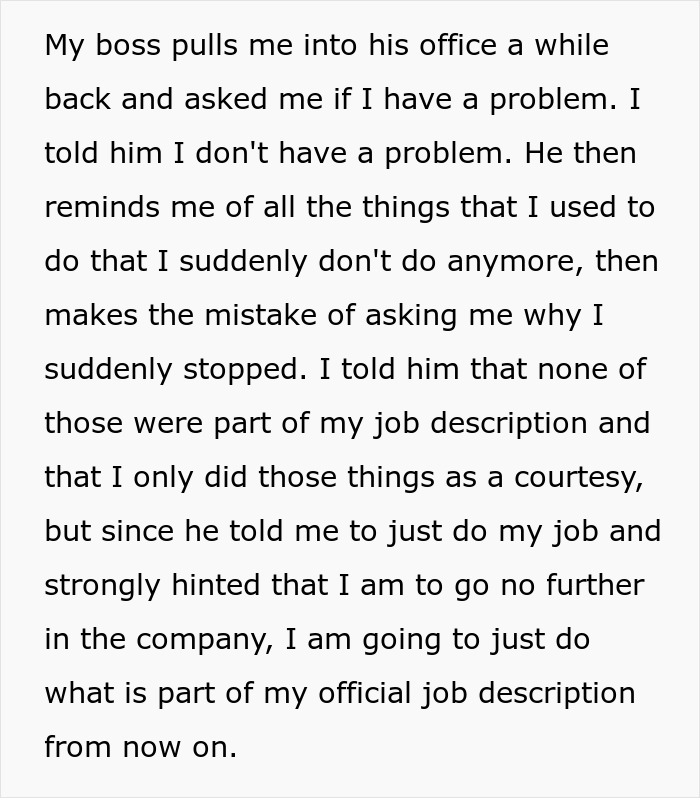
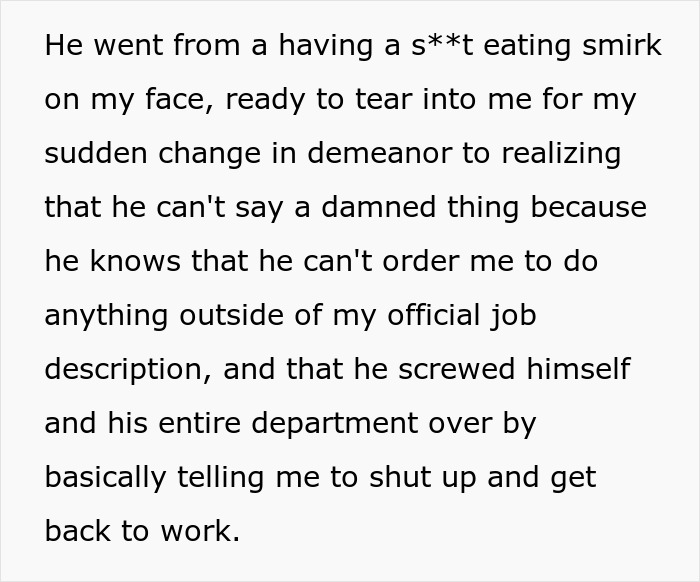
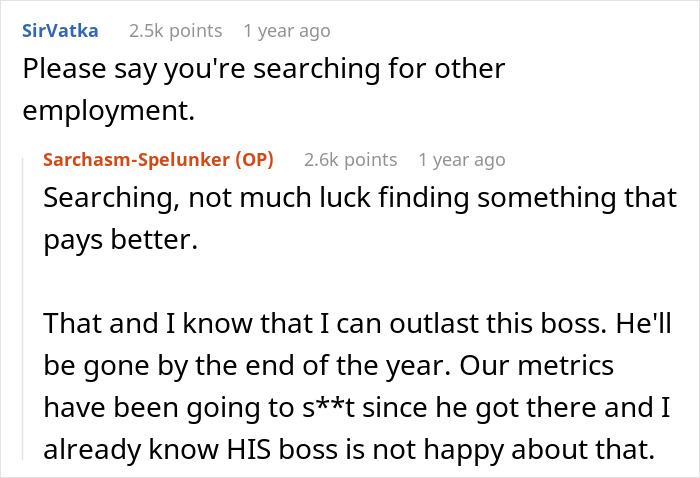
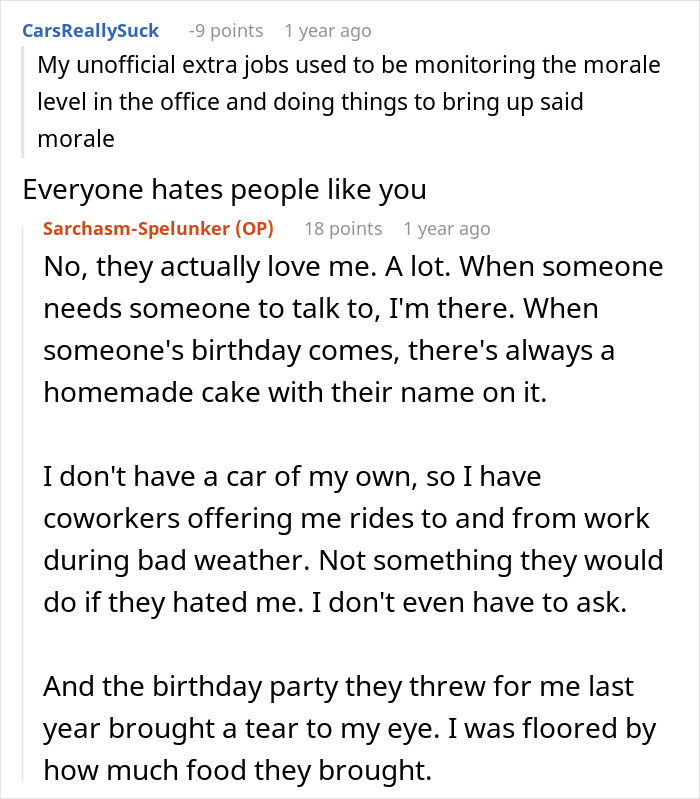
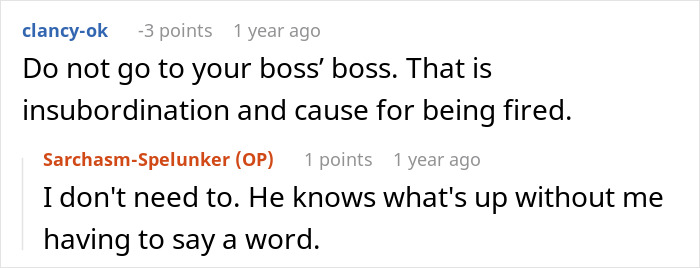
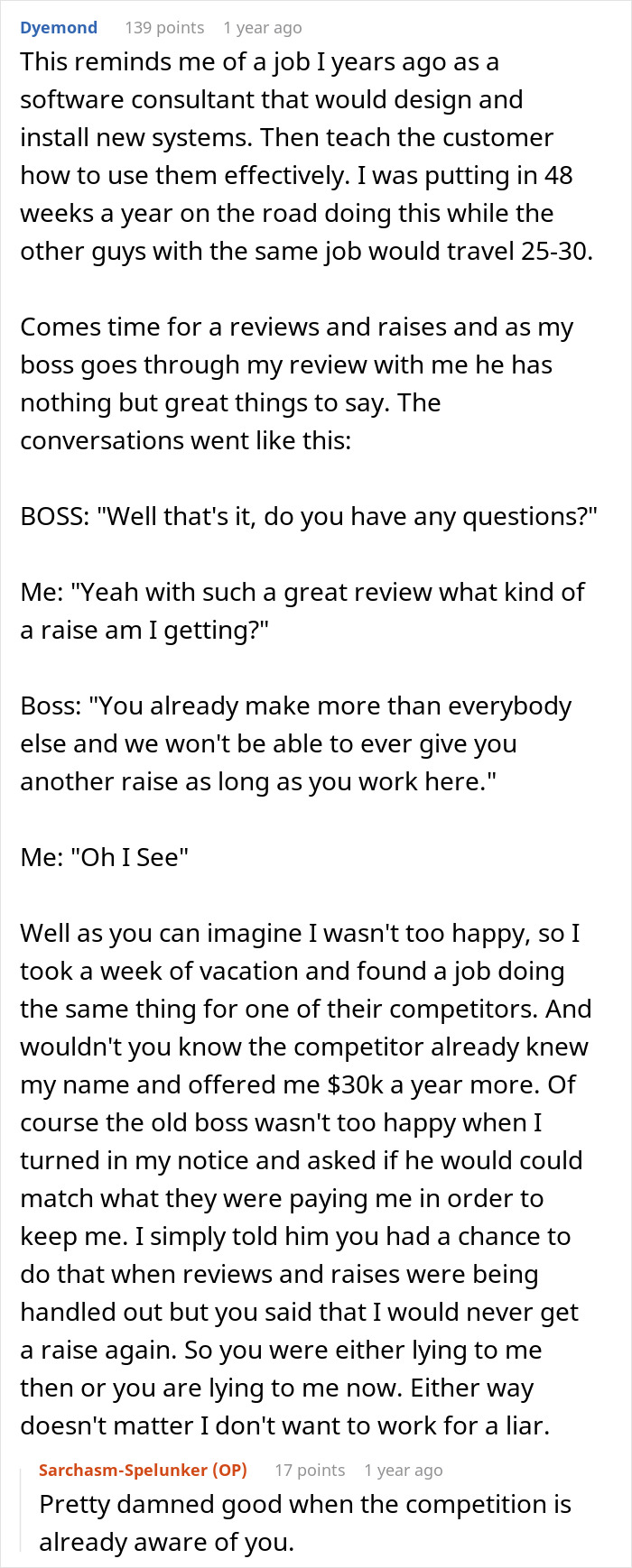
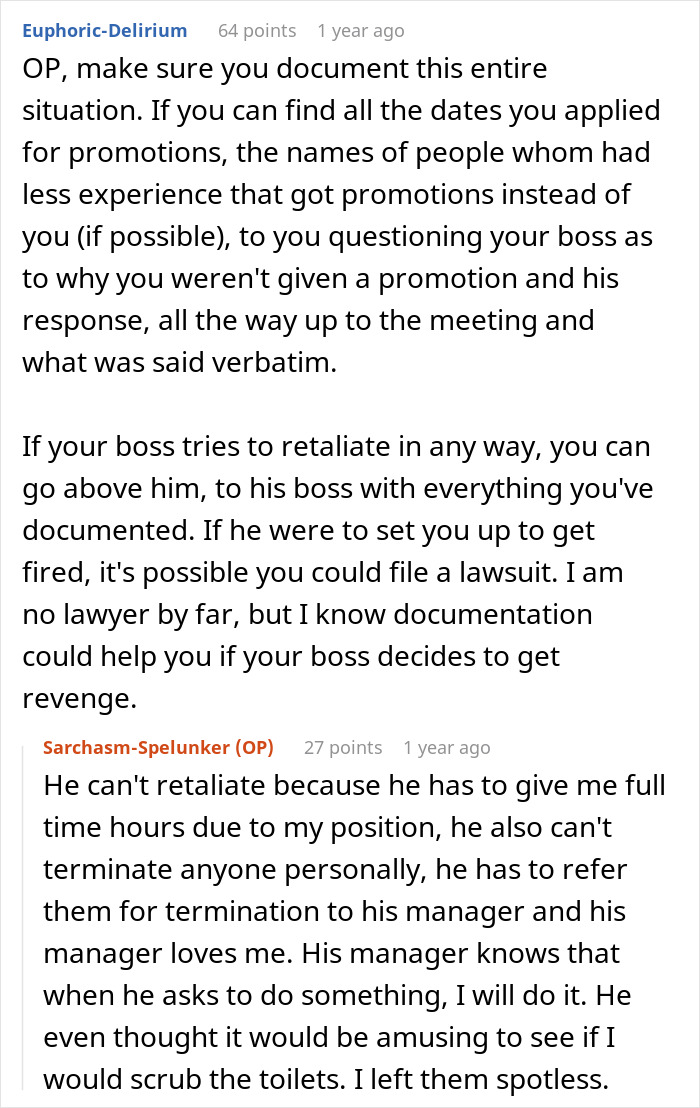
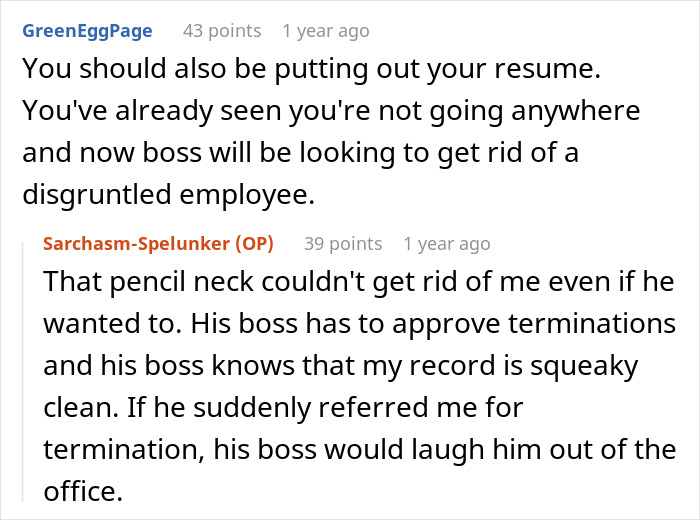
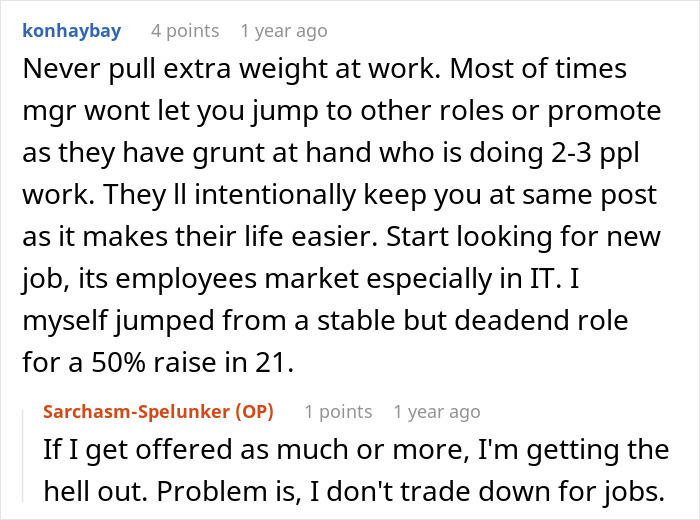
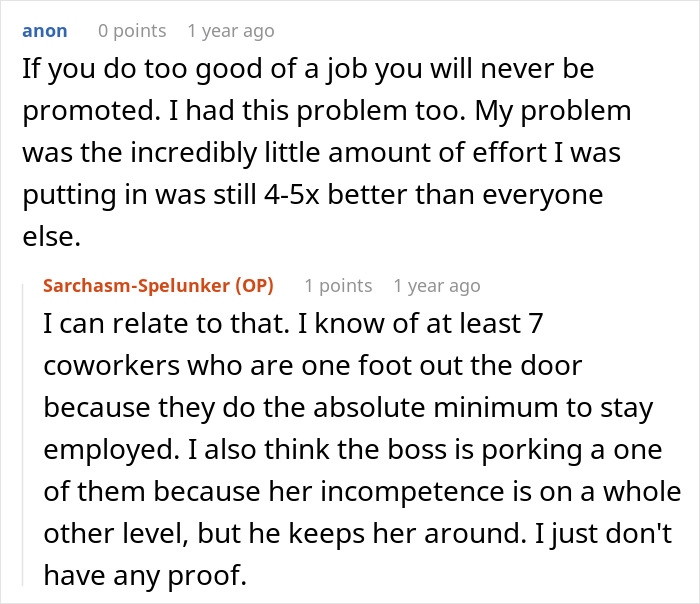
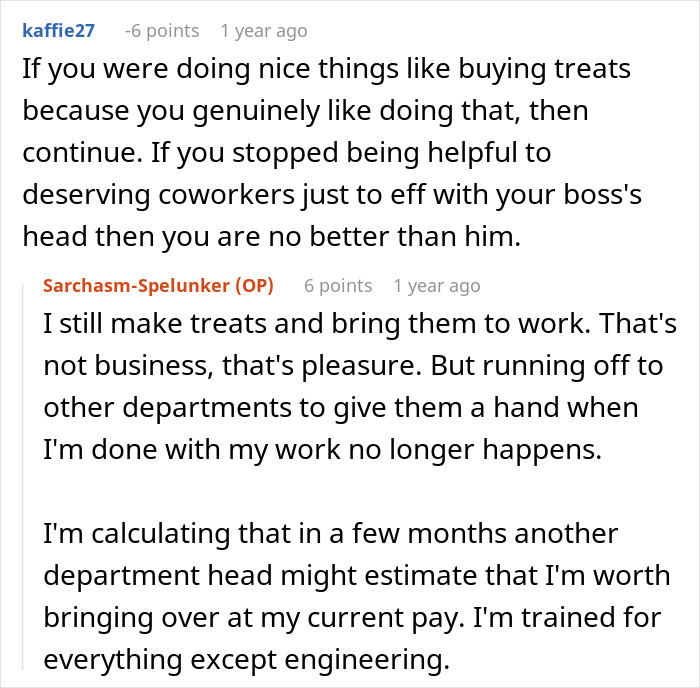
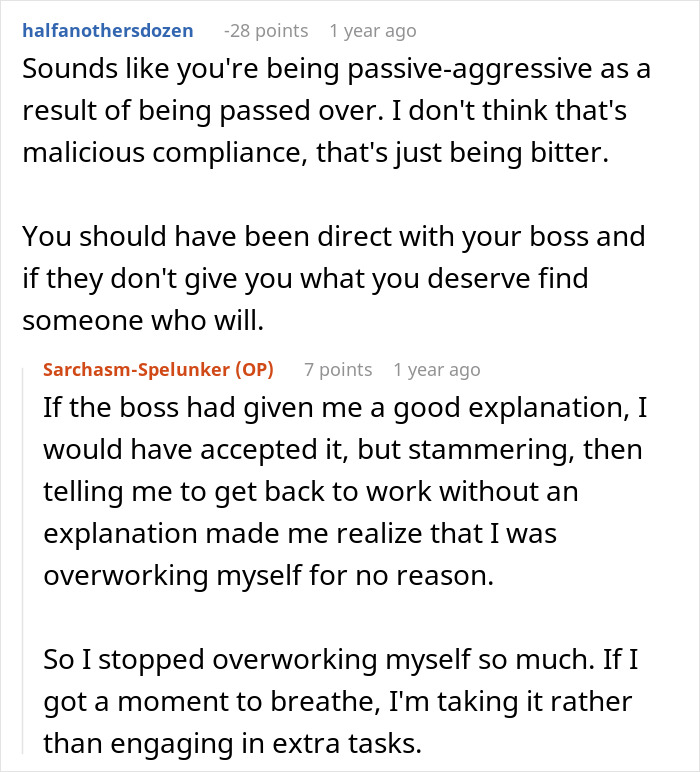
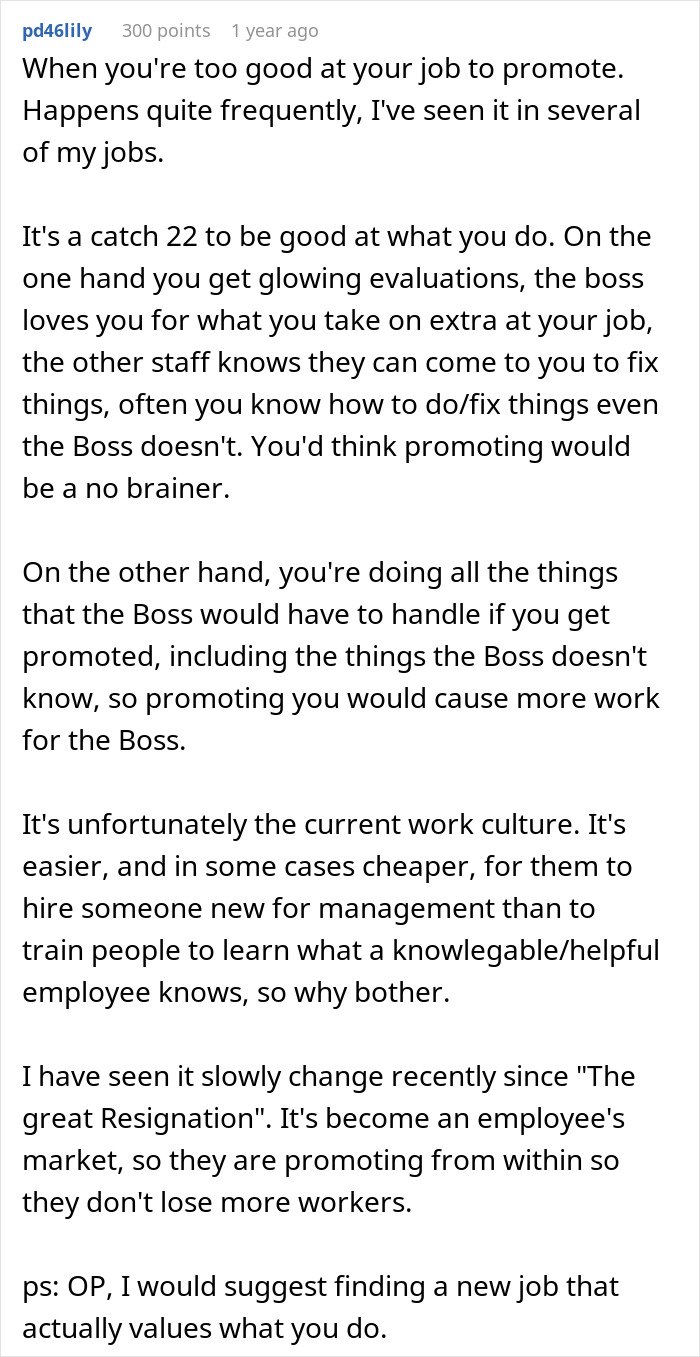
Image credits: Sarchasm-Spelunker
Without recognition for their efforts, benefits, or promotions, employees, like the author of the story, are ‘quiet quitting.’ It’s estimated that at least 50% of the U.S. workforce is just meeting their job description and isn’t going above and beyond at their positions, and quiet or dry promotions are a significant part of it.
Bored Panda reached out to human resources expert and bestselling author Kate Walker, who kindly agreed to shine a light on “quiet promotions.”
When asked if an employer can add more duties without compensation or promotion, she told us, “There are two factors here. First, poor planning and organization on behalf of a manager can unfortunately lead to work getting assigned to someone who wasn’t expecting it.”
“Other times, an employer will assign extra tasks at work as a test of someone’s capability, which could lead to greater visibility or promotion. Try to understand the reason for the extra tasks being assigned. An employer can add more work duties without promotion or compensation, but try to understand the reason for the added duties and expectations.”
An extra workload can also be the consequence of losing a specific role or cutting down expenses. A quiet promotion is typically less expensive than replacing an employee. According to data from the Harris Poll, turnover can cost more than $50,000 a year for companies. In addition, since new hires may lack the same level of skills as previous team members, increasing the workload for remaining staff can be a quick remedy.
A study by JobSage found that this particularly happens in the art, design, and hospitality industries, with 89% of workers reporting being quietly promoted. Jobs in food service, government, and education were also high on the list.
The main problem with this phenomenon is that it pushes people to do more without being recognized for it. Feeling appreciated and valued is a strong force that pushes employees to be more productive and feel secure in their positions. Companies’ failure to meet the needs of staff can result in increased turnover and dissatisfaction with work. Long-term quiet promotion can also result in exhaustion, overwork, and even burnout.
Image credits: fauxels / pexels (not the actual photo)
But experts also see a bright side to it. Walker said that “being asked to take on more responsibility at work (without pay) can be an opportunity to showcase your skills and talents. It can be a chance to show leaders and colleagues your capabilities. The opportunity can provide positive visibility.”
“Ideally, there should be parameters around the extra assignment (is it temporary due to someone’s absence or is this a trial leading to a possible promotion)? It is fair to ask your manager questions to seek mutual understanding about the extra work in order to avoid misunderstandings or resentments.”
During such a demanding period, employers have to make sure that staff members are valued and appreciated. Compensation doesn’t always have to mean a pay increase. Offering more benefits, such as paid time off, flexible schedules, and remote or hybrid options, will boost employees’ work-life balance and make them feel acknowledged.
Another great way to boost morale is to get creative with the company’s appreciation strategies. Apps like “Tap My Back” make it easy and fun by allowing employers to tap and assign a recognition badge such as critical thinker, team player, or quality achiever. The organization’s feed becomes full of positive encouragement and feedback given to coworkers. In fact, studies have shown that doing this publicly is 6.6% more effective than traditional rewards.
In addition, Walker also kindly provided advice for people who might be struggling with similar situations. “I urge maturity, professionalism, and calm in these situations. Don’t “quiet quit,” but have courageous conversations instead. Ask your manager for a meeting so that you can gain an understanding of the reason for the extra tasks. If the reasons given are that the duties are part of the job, then ask to revisit the job description.”
“If the additional duties change the job description (perhaps the duties make the job more substantive, more senior) than the job that you accepted when joining the company, in fairness, the company may owe you an audit of both the job and compensation. Keep the dialog going with your company and try to mutually resolve the issues. ”
Image credits: olia danilevich / pexels (not the actual photo)

By entering your email and clicking Subscribe, you're agreeing to let us send you customized marketing messages about us and our advertising partners. You are also agreeing to our Privacy Policy.
Thank you! You've successfully subscribed to newsletters!

Stop using the phrase quiet quitting. how is it quitting if they're doing their damn job. A note to some of you out there though, the more extra you do the more they'll expect it. But your foot down straight away and tell them it's not your job and if they want you to do it you expect a raise and/or promotion.



This happened to me once, but the other way around. I was just out of high school and had barely any job training. I was hired by KMart, and they made me a manager. Instantly. No clue what I was doing. The person that had to train me had been there for 10 years. I quit after the second day because she was basically running the department I was in by herself. Even at that young age, I knew it was wrong. They’d rather have a younger face than giving promotions to dedicated employees.

Never ever do more stuff than what you're paid for. Especially if you're expecting to be rewarded for it. A decade ago that might still work, but nowadays we've heard too many stories, i strongly believe that companies just sniff these kind of "too nice" people and take advantage of them. It's so commonplace, there might be an actual position for it in a couple of years: head of sniffing overly nice people and taking advantage of them.

Poll question is stupid. Quiet quitting doesn't exist. Its called doing your job.

I've always done more than my "job". I'm pretty sure part of why I do these things is trauma from being the glass child in my family, but I can't help my mindset. Be that as it may, I am finally in a career that not only appreciates my hard work, but more than adequately compensates me for it as well. I am perfectly content to stay in my current position, and learn to do more things to assist the company as a whole...girl in the chair, as it were...as I know I'm set for life here. It took a while, but it was worth the wait

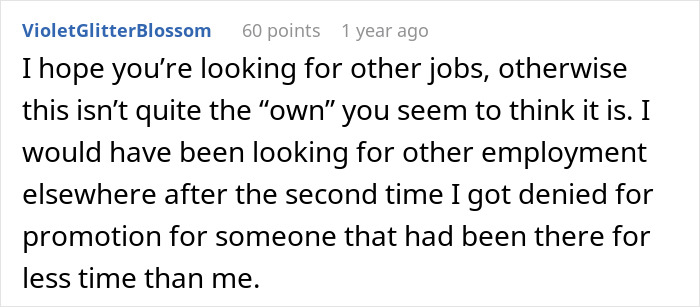
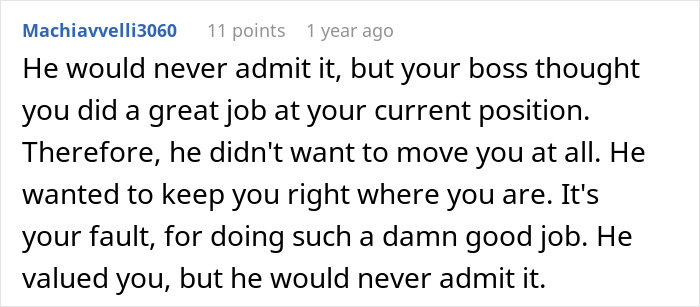
He probably undermined himself. He was so good at his current role that replacing him would have been a major pain in the a*s, so that created the incentive to never move or promote him. The new people weren't vital or entrenched, so promoting them made sense. He should have made himself superfluous by training everyone else on his team in tech support and things, so then he'd have 1) had the freedom to move to a new role, and 2) demonstrated people management
I have a job I would describe as entry level and beneath my skill set but ok for now. I’m actively job hunting but no luck yet. I’m also an older worker but I look much younger. I wasn’t expecting a raise because I’d only been there for 7 months but I got a small raise and a generous bonus just before Xmas. I was surprised and happy. I don’t think I have much of a future at this company but for now, it’s a paycheck. OP should continue looking for a new job or apply for his manager’s job once he gets fired.

A good boss might not want to promote you out of a job you're too good at, but a good boss will find other ways to keep your morals up. My current employer didn't want me to leave my position, so I hot two ten percent raises. This January I got my promotion because I made it clear they'd completely lose me otherwise. I'm always a bit skeptical of stories like this. Good people always have a choice. You can find something better or negotiate something. If you can't do it, you might have to re-evaluate yourself. Maybe you're not as useful as you think you are. Maybe you're not really productive, but just very busy.
Or perhaps, as you stated yourself, their boss wasn't good.
Load More Replies... Stop using the phrase quiet quitting. how is it quitting if they're doing their damn job. A note to some of you out there though, the more extra you do the more they'll expect it. But your foot down straight away and tell them it's not your job and if they want you to do it you expect a raise and/or promotion.
This happened to me once, but the other way around. I was just out of high school and had barely any job training. I was hired by KMart, and they made me a manager. Instantly. No clue what I was doing. The person that had to train me had been there for 10 years. I quit after the second day because she was basically running the department I was in by herself. Even at that young age, I knew it was wrong. They’d rather have a younger face than giving promotions to dedicated employees.
Never ever do more stuff than what you're paid for. Especially if you're expecting to be rewarded for it. A decade ago that might still work, but nowadays we've heard too many stories, i strongly believe that companies just sniff these kind of "too nice" people and take advantage of them. It's so commonplace, there might be an actual position for it in a couple of years: head of sniffing overly nice people and taking advantage of them.
Poll question is stupid. Quiet quitting doesn't exist. Its called doing your job.
I've always done more than my "job". I'm pretty sure part of why I do these things is trauma from being the glass child in my family, but I can't help my mindset. Be that as it may, I am finally in a career that not only appreciates my hard work, but more than adequately compensates me for it as well. I am perfectly content to stay in my current position, and learn to do more things to assist the company as a whole...girl in the chair, as it were...as I know I'm set for life here. It took a while, but it was worth the wait
He probably undermined himself. He was so good at his current role that replacing him would have been a major pain in the a*s, so that created the incentive to never move or promote him. The new people weren't vital or entrenched, so promoting them made sense. He should have made himself superfluous by training everyone else on his team in tech support and things, so then he'd have 1) had the freedom to move to a new role, and 2) demonstrated people management
I have a job I would describe as entry level and beneath my skill set but ok for now. I’m actively job hunting but no luck yet. I’m also an older worker but I look much younger. I wasn’t expecting a raise because I’d only been there for 7 months but I got a small raise and a generous bonus just before Xmas. I was surprised and happy. I don’t think I have much of a future at this company but for now, it’s a paycheck. OP should continue looking for a new job or apply for his manager’s job once he gets fired.
A good boss might not want to promote you out of a job you're too good at, but a good boss will find other ways to keep your morals up. My current employer didn't want me to leave my position, so I hot two ten percent raises. This January I got my promotion because I made it clear they'd completely lose me otherwise. I'm always a bit skeptical of stories like this. Good people always have a choice. You can find something better or negotiate something. If you can't do it, you might have to re-evaluate yourself. Maybe you're not as useful as you think you are. Maybe you're not really productive, but just very busy.
Or perhaps, as you stated yourself, their boss wasn't good.
Load More Replies...



































 No fees, cancel anytime
 then open in external browser


 and click "Open in External Browser"















60
29