Get Premium
Dark mode theme is available exclusively for premium users. Learn more about the benefits of subscribing.
No fees, cancel anytime.

 Dark Mode Ad-Free Browsing Unlimited Content
 Ad-Free Browsing Unlimited Content Dark Mode
Join 1.2 million Panda readers who get the best art, memes, and fun stories every week!
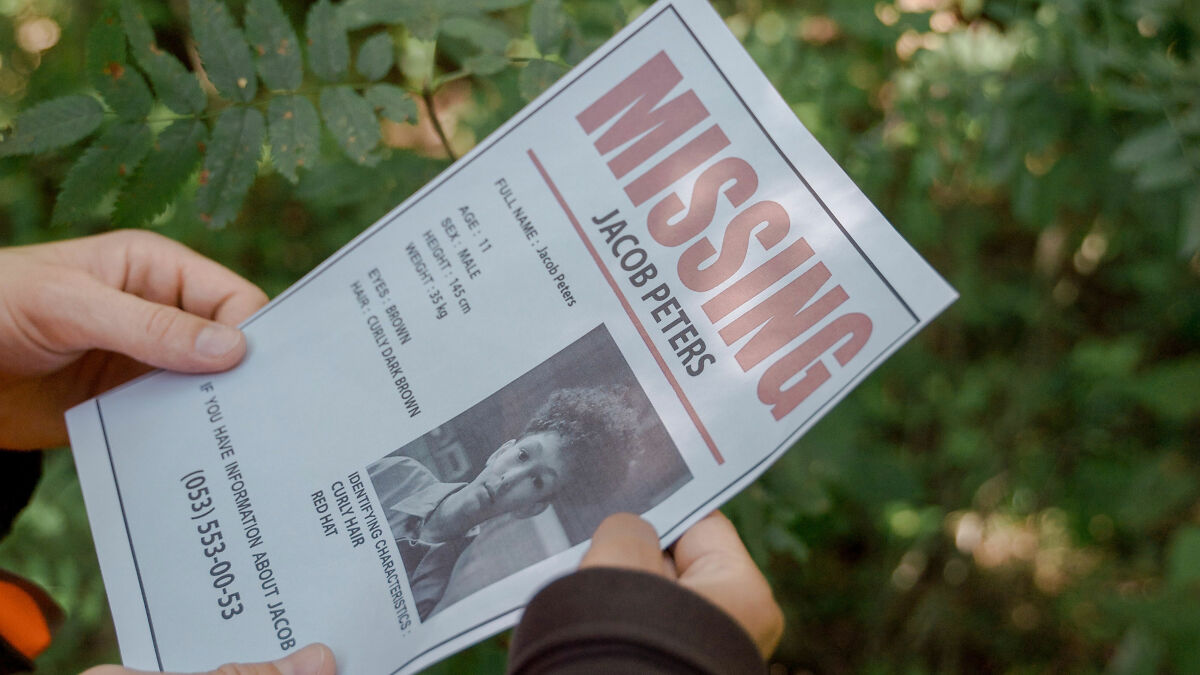
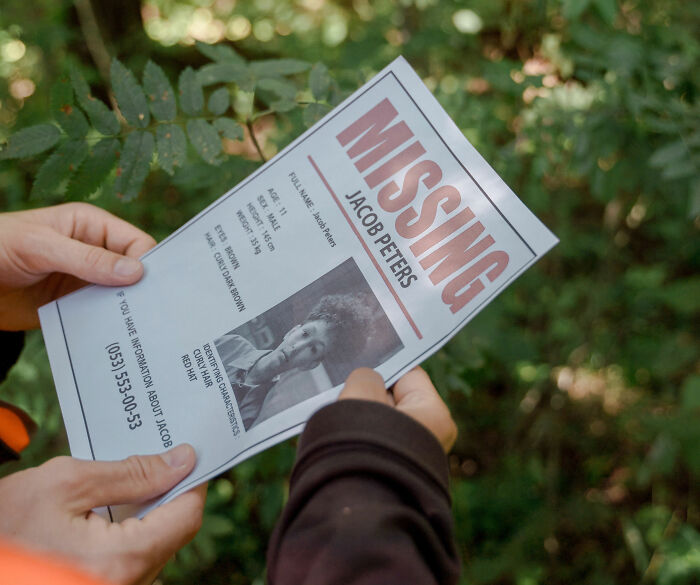
Missing-person posters are a familiar sight.
Most of us have walked past one at a bus stop. Some of us may have seen it stuck on a bulletin board. Others may have received alerts on their phones.
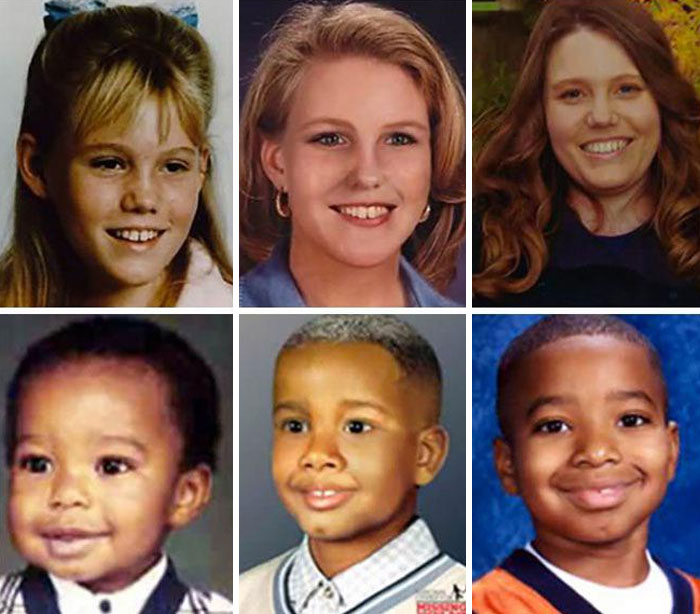
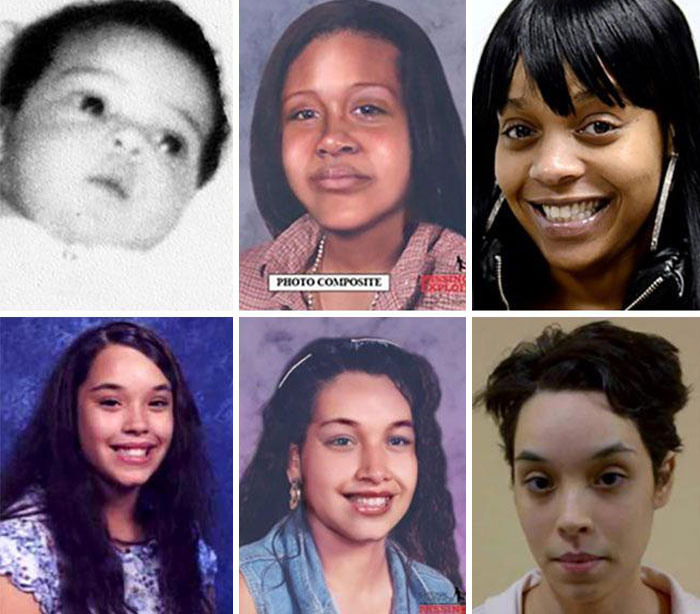
Behind every missing person poster is the hope that someone, somewhere, will recognize the face on it. But what happens when that face belongs to a child who disappeared decades ago and has since grown into an adult? This is where age-progression images come in.
Age-progression images have been an important tool in missing-person cases for years.
They are meant to help the public visualize what someone might look like, years after they vanished.
But the rapid growth of AI means people can now generate similar visual predictions of their own.
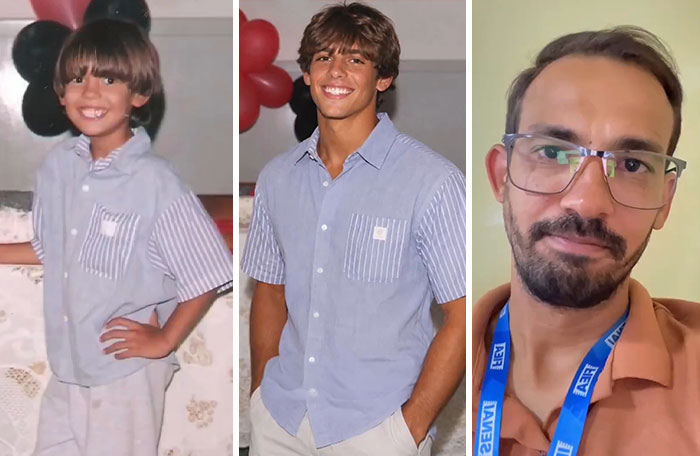
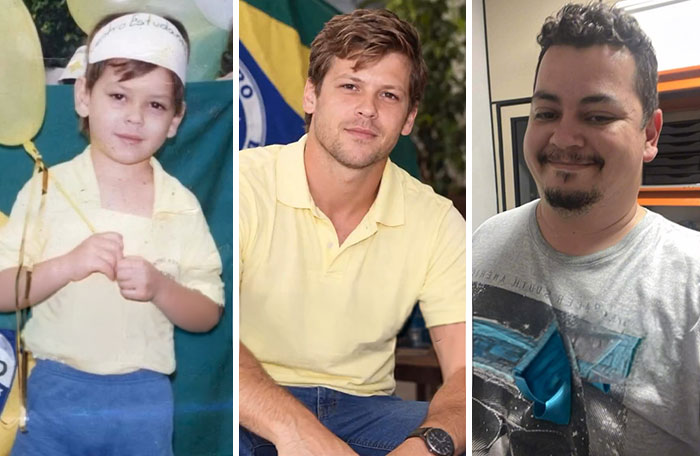
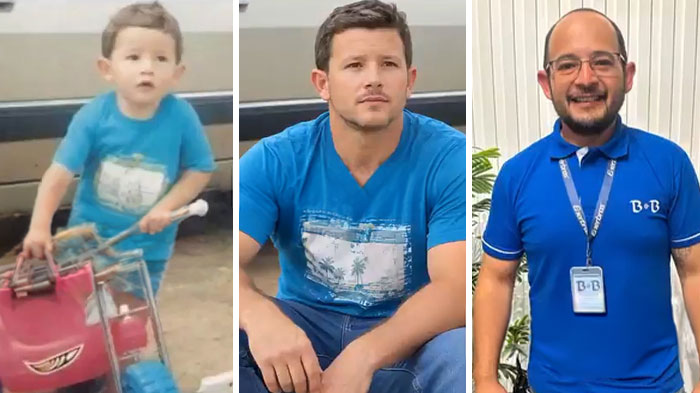
Netizens have been sharing their own age-progression examples and poking fun at AI predictions, which have been giving them chiseled jaws and model-worthy looks, while their actual adult selves look like regular people.
“That’s why nobody finds the missing people [on] the milk carton,” one commented online, sharing a video comparing an AI-generated age progression with the person’s actual appearance.
“Here’s the explanation for never meeting someone who’s lost,” read another comment.
Another wrote, “My cousin uses so many filters on her photos that I pray to God she never disappears and has to rely on those pics to be found.”
The viral trend has been raising questions about the accuracy of such age-progression images and the problems they could potentially create.
“Traditionally, age-progression images are created by forensic artists who study photographs of the missing person, family characteristics, and the natural changes that occur as people age,” the Missing In America Network, a nonprofit providing free support to families of missing children and adults nationwide, told Bored Panda.
Organizations like the National Center for Missing & Exploited Children (NCMEC) have specialists assigned to create these images, which are used to help investigators and the public visualize what someone might look like today.
“These images are particularly valuable in cases involving children who have been missing for many years,” the nonprofit said. “A photograph of a child who disappeared at age 8 may not be especially helpful when searching for that same person at age 25.”
But these images should not be taken as exact predictions of how someone will look as they grow older.
“It is an educated approximation based on the information available,” they added.
The network asserted that age-progression images are merely “tools” to help the public recognize a missing person.
They must not be seen as definitive representations of their current appearance.
“A person’s appearance can change dramatically over time due to genetics, lifestyle, weight changes, hairstyles, facial hair, medical conditions, and countless other factors that cannot necessarily be predicted,” the network explained.
“Our concern is that someone might encounter a missing person and dismiss the possibility simply because that individual doesn’t look exactly like the age-progression image they’ve seen,” they added.
The organization encouraged the public to look beyond just one single photograph and take into consideration other factors like facial features, identifying characteristics, and other information available to them.
“Most importantly, if you believe you have encountered a missing person, report that information to law enforcement rather than deciding for yourself whether the person is a match,” the organization continued.
Missing In America Network also addressed concerns about how consumers can now use AI applications to produce results that seem “increasingly realistic” nowadays.
The ability to create a realistic-looking face does not necessarily mean the image accurately represents how that person has aged.
Hence, because of the advent of such AI solutions, it is now more important than ever to distinguish between professionally developed forensic age progressions and images generated through consumer applications.
The network even highlighted how friends and family members of a missing person may feel compelled to turn to AI solutions.
“Families understandably want to do everything possible to find their loved ones. However, an AI-generated image that looks convincing is not necessarily an accurate representation of how someone has aged,” they said.
The concern is that people may place too much confidence in an AI-generated image, potentially overlooking someone who does not resemble the prediction closely enough.
“At Missing In America Network, we believe awareness is one of the most powerful tools available to families. But that awareness must be accompanied by accurate information and responsible sharing,” they said.
“Ultimately, the goal of an age-progression image isn’t to show the public exactly what a missing person looks like today,” they added. “It’s to encourage someone to look again, recognize a possibility, and report what they know.”

By entering your email and clicking Subscribe, you're agreeing to let us send you customized marketing messages about us and our advertising partners. You are also agreeing to our Privacy Policy.
Thank you! You've successfully subscribed to newsletters!


An age progressive image and an AI image are two very different things (unless you have spent a lot of time training and refining a dedicated AI to do them). Age progressive images are where they look at an image of a person, and interpret how their features are likely to develop over time. There is always an element of interpretation, and it will never be exact, but it is based on how their specific features are likely to develop. If you ask AI to show you what a child will look like at 23, it is going to search sources for common images of a 23 year old, and apply the most common features it finds to what child's image to build it's adult form
An age progressive image and an AI image are two very different things (unless you have spent a lot of time training and refining a dedicated AI to do them). Age progressive images are where they look at an image of a person, and interpret how their features are likely to develop over time. There is always an element of interpretation, and it will never be exact, but it is based on how their specific features are likely to develop. If you ask AI to show you what a child will look like at 23, it is going to search sources for common images of a 23 year old, and apply the most common features it finds to what child's image to build it's adult form





























 No fees, cancel anytime














29
2