Get Premium
Dark mode theme is available exclusively for premium users. Learn more about the benefits of subscribing.
No fees, cancel anytime.

 Dark Mode Ad-Free Browsing Unlimited Content
 Ad-Free Browsing Unlimited Content Dark Mode
Join 1.2 million Panda readers who get the best art, memes, and fun stories every week!


Having a place to call your own is a dream come true for many—if not most—people around the globe. Renting is fine, of course, but when you truly own the property, there’s a lot of freedom and security that comes with this. Not only can you unleash your genius interior decorator, but you also don’t have to answer to a landlord.
However, purchasing your first property can be absolutely daunting. You’re putting down a huge amount of money, and you want the house or apartment to be great (or, well, at least good). We’ve collected some of the most hard-earned lessons from first-time homebuyers from an interesting discussion on r/FirstTimeHomeBuyer, including the things they regret the most. Scroll down for their nuggets of wisdom.
Bored Panda wanted to find out what people buying their first homes should be aware of to minimize future regrets, so we reached out to G. Brian Davis, a real estate investor and the co-founder of SparkRental.com. He was kind enough to share his insights and advice, which you'll find as you read on.
This post may include affiliate links.
 Unless you have concrete plans to get engaged and married soon, I would not buy together. People break up all the time, and sorting that out and selling a home you co-own is a nightmare—especially if you are not equally contributing to the down payment and monthly mortgage.

Can agree more. I did this with my GF in the 90. We bought it together. When we broke up she was supposed to stay there but didn't pay the mortgage. I was renting and couldn't cover the mortgage so basically the house got repossessed and for 7 years I couldn't put money in the back. The bank auction and I never saw a penny. Lost everything.
According to Davis, from SparkRental.com, homebuyers should understand the concept of 'breakeven horizon.' "Owning a home comes with tens of thousands of dollars in closing costs, some on the front end when you buy and others on the back end when you sell. It takes years for a home to appreciate enough in value to offset those costs," he explained to Bored Panda.
"Exactly how long will depend on your local market conditions over the next few years. But as a general rule, expect it to take 3-7 years on average for you to break even on your home. That makes homeownership a long-term commitment. Only buy a home if you plan to live there for at least five years or so. Otherwise, you’re probably better off continuing to rent and enjoying the flexibility it provides," he said.
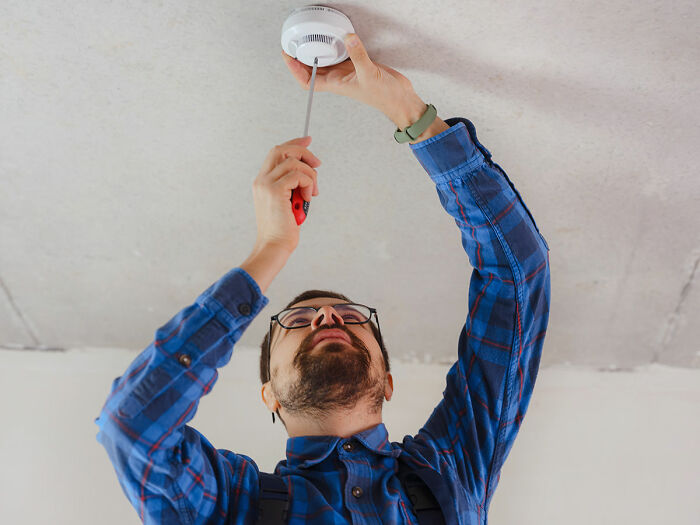 It was midnight. Our third night in the house. The chirping began.
It was the highest smoke detector in the vaulted ceiling in our living room.
Luckily we had 9-volt batteries and had bought a ladder that day. We lucked out.
Make sure you have 9-volt batteries. Even hard-wired smoke detectors will beep when the backup batteries die.
My boyfriend says every homeowner needs a ladder and a shop-vac.

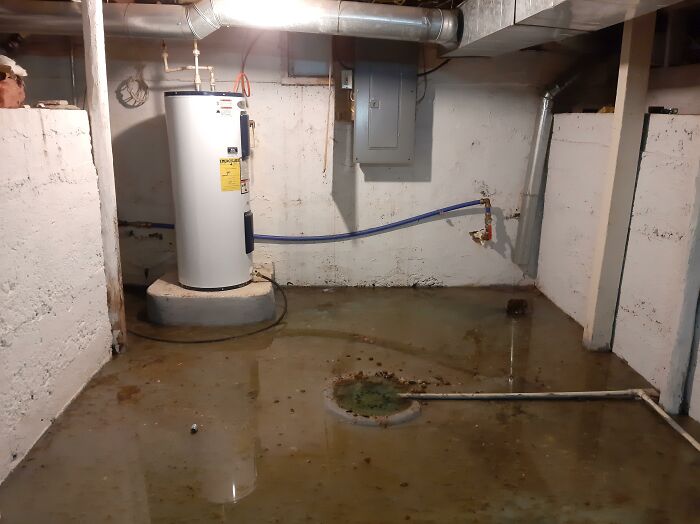 Water. Look out for the risk from water. Can be invisible risk for years. In a mostly flat landscape, the water risk from being near low points can be invisible. The local creek may have been buried in a sewer system. But when there’s torrential rain, suddenly the sewer system will back up into the basements of all the houses near the low points. Closely examine the basement for evidence of earlier water damage which has been buried behind new Sheetrock or wall to wall.

Former fire/flood restoration tech here. If you own your own home, make sure you have a sump pump set up for your drainage, yes, but nowadays it's common to actually install a second as a backup. They're pricey to install in old homes, but with all the "once in a century" storms happening because of climate change, you will be so glad you installed it. You would not believe how many water damage claims I've been to where the owner had a good pump, but it burned out during a flood. Meanwhile, neighbors with a backup pump stayed dry
Davis suggested that homebuyers keep their future needs in mind, not just their current ones, when choosing a home. "If you plan to have children, that urban rowhome might not make sense. Likewise, if your kids are about to leave the nest, it may not make sense to buy a large suburban home. If you aren’t 100% sure about a city or neighborhood, try renting there for a year first to make sure you want to commit long-term. How do you feel about the noise level? Traffic? Commutes? Safety? Walkability? Taxes?"
He advised that you should spend a week renting an Airbnb in the prospective neighborhood if you can't spend a year living there. "Get a sense for what it’s like to live within a few blocks where you’re thinking about buying. Live your regular routine as much as possible, including both workdays and weekends," he told Bored Panda in an email.
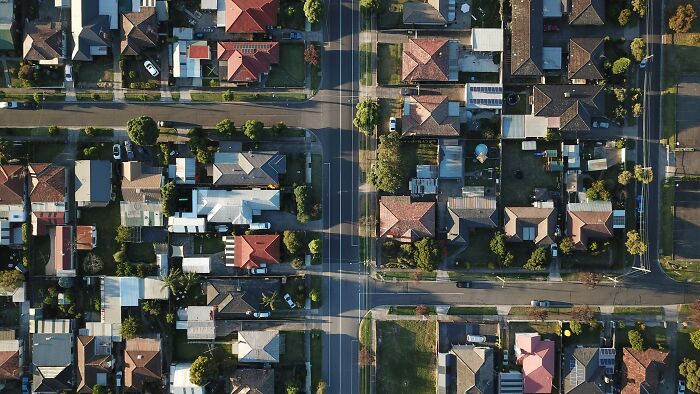 The location is more important than you think. Your realtor is not looking out for your best interest.
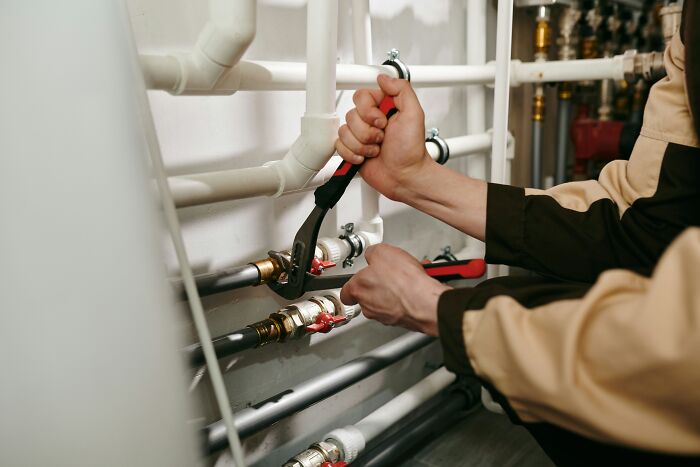 Pay for the sewer scope. Just closed less than a month ago and just found out we have to replace most of the plumbing. Yay homeownership.

I completely replaced the plumbing in my 90+ year old house. I didn't intend to. All I wanted to do was replace a leaky canister filter. Using normal tools and forces to separate steel plumbing fixtures, the main line from the well shattered over a 2' long section. It was also almost completely blocked with iron and sediment. Of course, all of the pipes were in that condition. It's all PEX now.
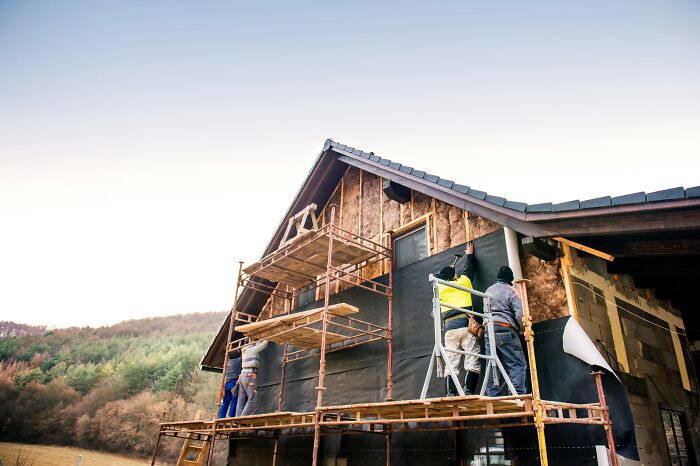 Do not underestimate the amount of work required for a “fixer upper”. Yes it sounds fun, but it takes a special kind of buyer. In hindsight, I’m very glad I chose a move-in ready home, there’s enough work to do as-is.

Those TV shows though make it look so simple. You buy the fixer-upper and then smash everything down with a sledgehammer until all you have left standing is the slab
We asked Davis how someone can be sure that a property is 'good enough' for them. He said this holds true if a property meets all of your needs and most of your reasonable wants.
"Get extremely clear on both. Write them out alongside your partner and then prioritize your wants. Make sure you and your partner are both on the same page, and if you’re not, keep negotiating until you get to a place where you can both live with the compromises—without resenting the other partner," the co-founder of SparkRental.com explained.
"Finally, scope out the local schools well before buying, if you have school-age children. Physically visit the schools, talk to the administrators and teachers. Speak with parents whose kids go there. Post in local community forums asking parents for their candid feedback. Check the ratings on Greatschools.org."
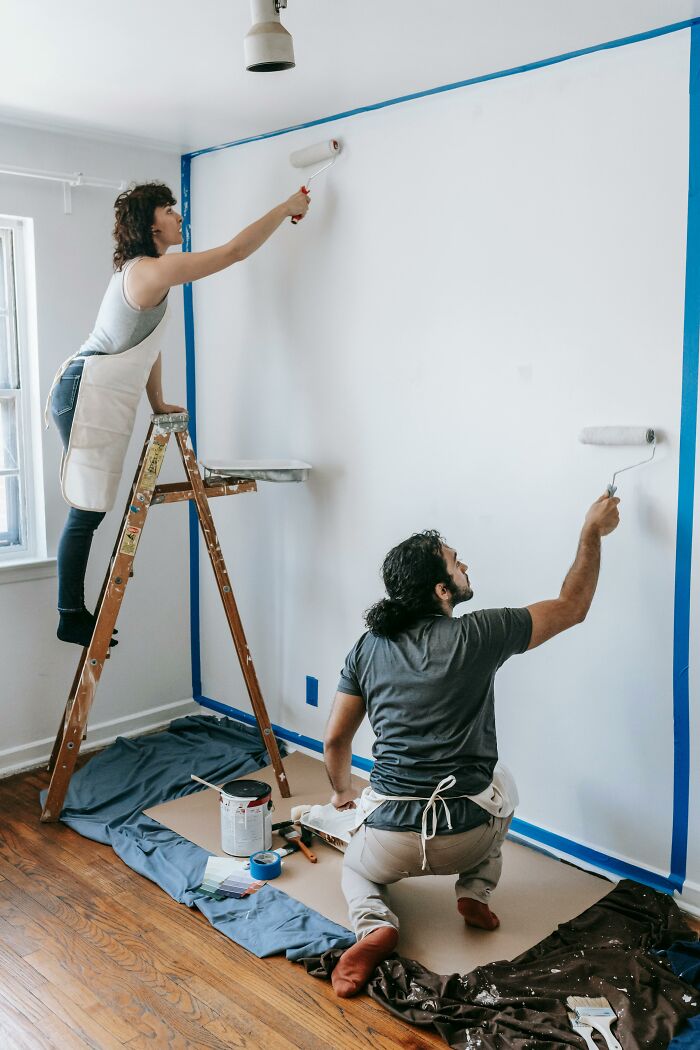 When I bought my first home I was given some good advice. Which is to wait 6 months on any Non-Absolutely necessary project. If you think it is still important after 6 months then do it. .
 Make sure home inspector actually gets into the attic during inspection. 🙄 Apparently my inspector had MS and didnt. I didn't know that until my ceiling sprung a leak 5 weeks after closing. Needless to say repairs were covered and I got an inspection refund and an apology. But that could have been catastrophic for my $178k first home purchase! I was pissed!!!
You should always be there during the inspection. Otherwise you have no idea what the find vs ignore/miss.
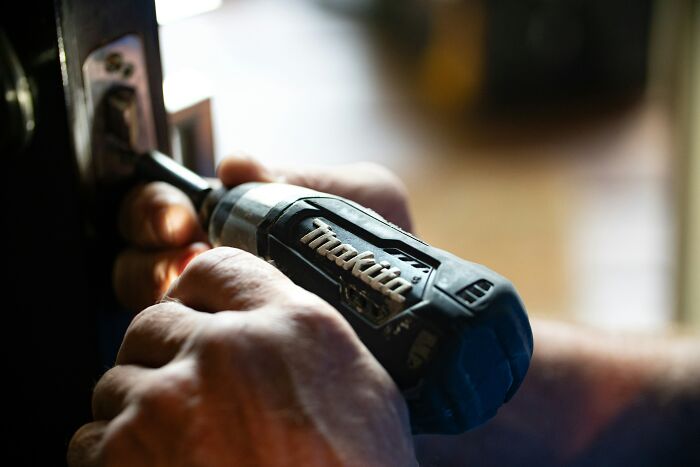 Start learning small repairs. Such as changing a wall outlet or switch, covering a hole inside or outside, installing a door or door k**b, leaky faucet, change a toilet handle, etc…
The more you can do on your own, the more will save you from calling for a repair service. Most just charge to come out and inspect/assess the issue and then give you a rate. And some services charge extra to come out on a weekend, like AC repair.
If you’re flabbergasted by property prices in your local area, you always have the option of buying homes in Italy for just one euro (a little over a dollar). CNN reports that in Penne, Italy’s Abruzzo region, you can buy abandoned homes extremely cheaply if you commit to restyling them. The goal is to stop the depopulation in the area.
“The only requirement is that buyers commit to restyling these houses in three years, but we ask for no downpayment guarantee to start the works. We really want to encourage and support those who come to revive the ancient neighborhood,” Penne’s mayor, Gilberto Petrucci, told CNN.
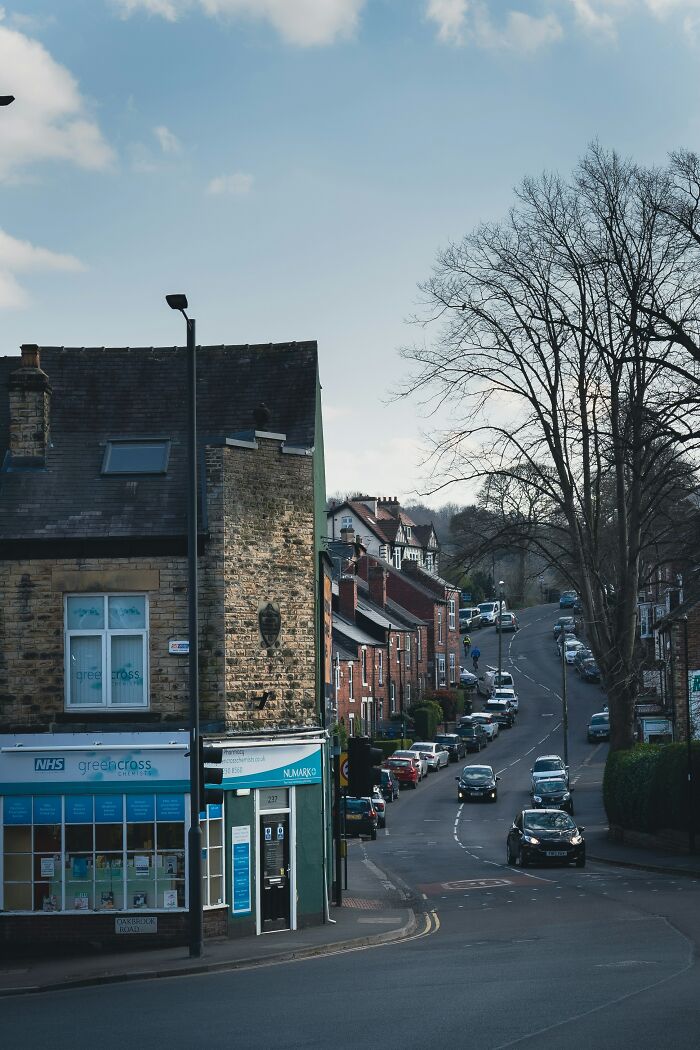 Road noise sucks. If you can at all avoid it, do so. Location matters. The better a location you can buy in, the more appreciation of your home value is possible. Also, if you choose to sell, it’ll sell quicker if it’s in a better location.
 Best advice I got on buying a house: don't listen to your parents
They're too out of touch with what the current market is like for first time home buyers.
Not all parents. My father in law was an insurance expert and he knew the value of every possible thing and inspected the house. He was more than welcome and gave solid advice.
 I went into my first home without a single dollar on a credit card. Not so much anymore....those Home Depot and Lowes card got quite the workout for the first 8 months. It's settling down now.
Until something breaks.
I will say, learn to be handy if you aren't. I saved hundreds of dollars cleaning my own gutters and replacing a thermocouple on my furnace. I learned a lot too. YouTube is your friend!
“We have a team of architects and experts who may advise and support in the renovation works, finding builders and surveyors, showing buyers through renderings what their home will look like once fixed, and advising throughout the renovation stages,” the mayor added.
The starting cost to do some basic restyling for a small to medium-sized house, according to Petrucci, is around 20k euros (nearly 21.7k dollars at the time of writing).
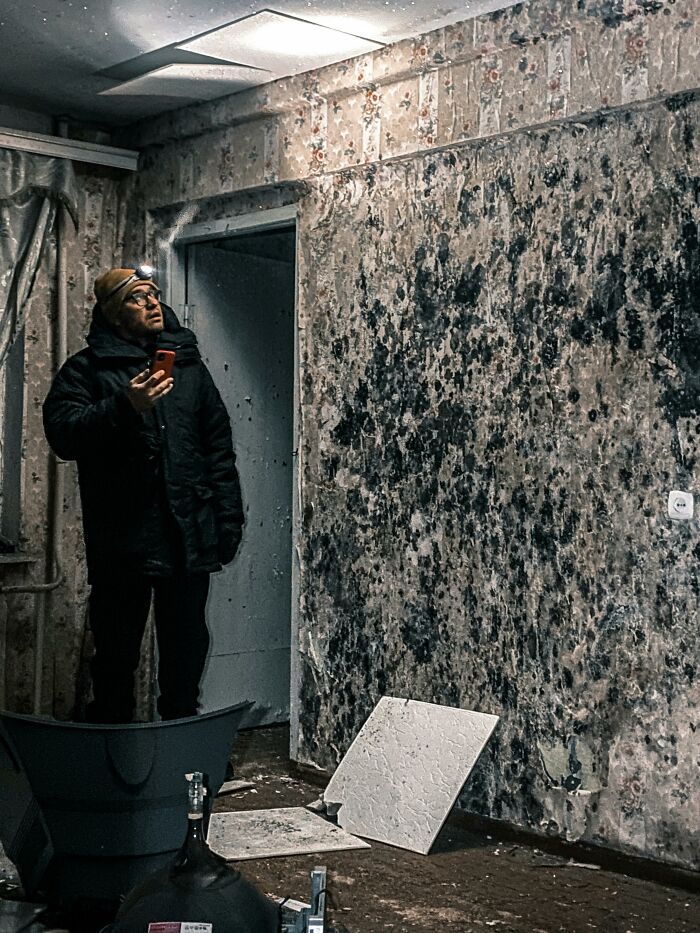 F**k home inspectors. Hire a tradesperson that you trust — an electrician, a plumber, a roofer, etc. and pay them their hourly rate to come out and do an inspection and give your their honest opinion about the shape of things and if the work was done well. I wish I had done this. My home inspector came highly recommended and he honestly didn’t know a d**n thing in retrospect.

I have a roofer friend. He can do pretty much all the building things, he says that there are only two things he refuses to do, electricity and gas (he will prepare it, but plugging it in is for professional). When he couldn't work as roofer, he started working as inspector and he loved it. Walking through the building areas, telling builders what they screwed up and then showing them how they were supposed to do it was great (they DID know how to do it, but cutting corners is faster and easier and they thought that an inspector will not know).
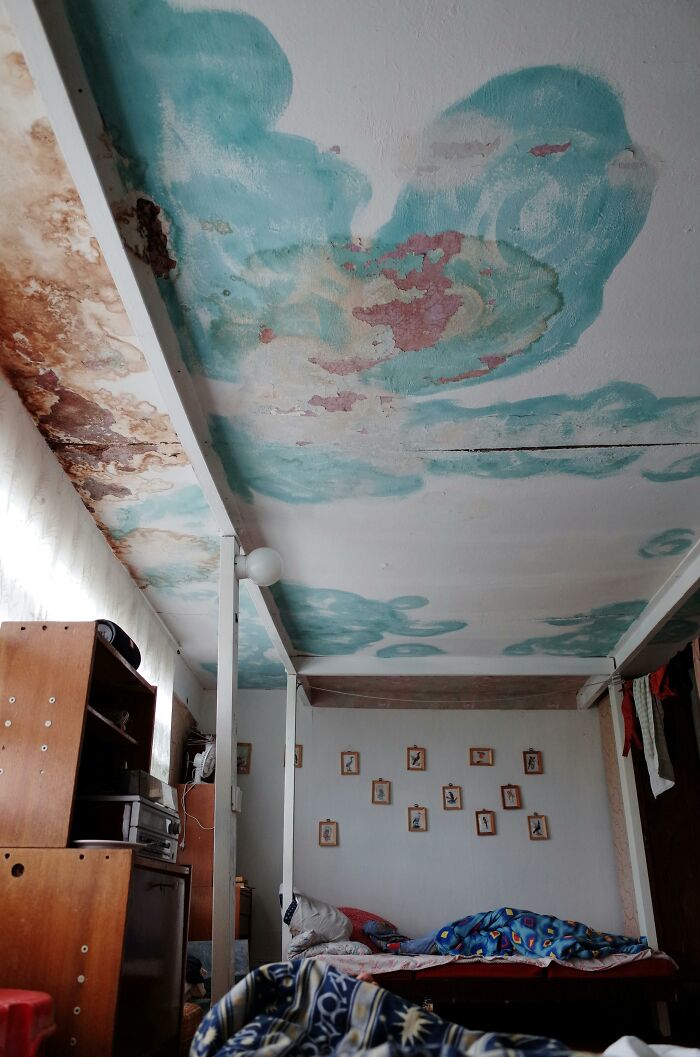 "What's this stain/spot?"
"Oh, not sure, been there since we moved in."
Water damage from an active leak. That's what it is. Trust no one. Don't trust the realtor, don't trust the bank, and trust the sellers and their agent least of all. Assume everyone is a lying piece of s**t trying to unload onto you what the last lying piece of s**t loaded onto them. Everyone is lying, just assume that out the gate. No one cares about you. You're not paranoid. You're not being a hassle. You're not being rude. Trust no one.

Buy some lead test kits (cheap at most big box stores), and a moisture meter. All told you can expect to pay under 100 bucks for both. This will save you quite a headache, and help you figure out potential problems before they start. IF the relator refuses to allow you to perform those tests, leave.
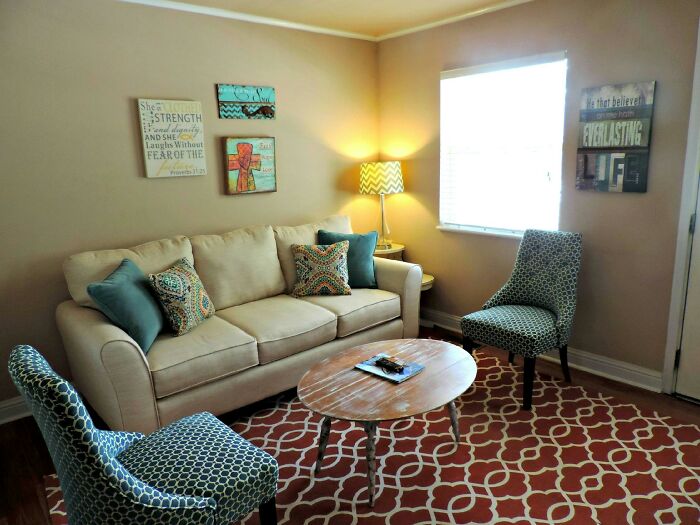 Be mentally prepared for how much furniture costs, and how long it could take to arrive if you’re buying something new… lots of furniture is back ordered or takes 3-6 months to ship.
The first few weeks you’ll notice a lot of things that feel urgent but after a while you may get used to the quirks of your house. I had to adjust to how cold it is without heating on all the time, or how long it takes for the water to heat up. We were considering installing a water recirculation or instant heater but eventually I got used to just waiting longer for the water to heat up.
Couple of tips: 1. Some second hand stuff is still great 2. Big furniture stores sometimes have an outlet section (or wait for sale) 3. Buy display furniture 4. Always try to get a discount of you're spending a lot. I once worked for a big furniture store and they always took discounts into account (back then they held 10% for 10k for instance)
The thing to keep in mind when buying homes—and, well, doing pretty much anything else in life—is that there is no such thing as ‘perfection.’ It’s good to have standards and to know what you want in life. However, you have to be practical, reasonable, and flexible when you can’t get exactly what you want.
If you keep chasing perfection, you might ignore other high-quality opportunities that come your way. You need to consider whether the house or apartment matches most of the qualities you want without focusing too much on the tiny details. If the core aspects of the home are good (the foundation, plumbing, wiring, etc.) and it feels like a good long-term investment, you shouldn’t get too hung up on the color of the walls or that the layout doesn’t 100% match your daydreams.
 Diatomaceous earth. You will need it eventually. I had ants one summer and a roach setup shop in my fridge in the fall. Diatomaceous earth meant the difference and bought time while I waited for the exterminator appointment.
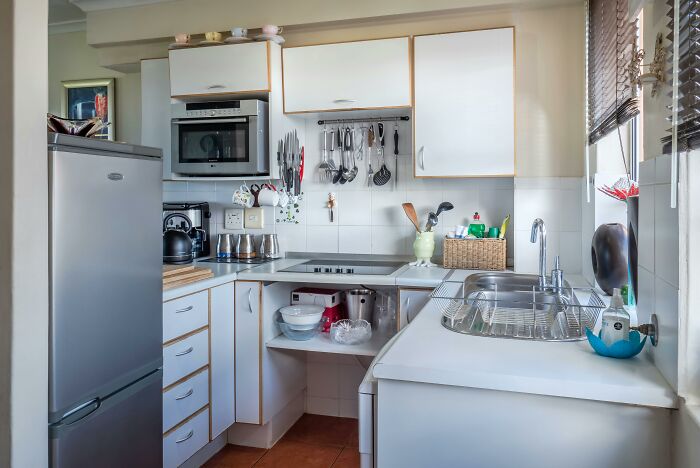 If you like an appliance and listing says it’s included, take pictures and try and grab the serial number so it can be included in future at closing. We had the sellers switch out a high end appliance with cheap used one.
 It’s way more expensive than just the closing costs and monthly payment. We bought a few months ago and have already spent over 50k in various projects we either wanted or needed to do. Thankful to have the income to support it, but I know a lot of people do not think beyond the closing costs and monthly payment when buying.

Yes, your rent is the MOST you will pay for that apartment each month. Your mortgage is the LEAST you will pay for your house each month.
In a similar vein, if the house is decently priced, near good schools, close to work, and in a safe neighborhood, that’s what matters more than the molding or roof tiles being a different style than you want. If you have enough spare resources and willpower, you’ll be able to change those details to your liking after you’ve bought the home. But for now, focus on the essentials.
Again, it’s good to have standards and you shouldn’t buy the first thing that comes your way. You need to put in the time and energy to do a thorough inspection of the property (hire a professional if you don’t have any experience here) and the neighborhood.
But whatever happens, it’s likely that your first home won’t be your dream home. Eventually, you’ll look for other properties, especially if you start making more money, have to move for work, or decide to start a family. Your needs and wants will change, so you’ll look into buying a home elsewhere.
 Get preapproved before you do any searching so as not to get your hopes up and waste you and your agent’s time.

Spend no more than 2/3 os the amount you get pre approved for. If you spend the full amount, you will be house poor.
 Stressing so badly about mythical problems that don’t exist (yet) is a problem that you need to work. Relax, build your savings and you’ll be prepared for anything.
Well, almost anything. You had a good home inspection before the sale, right?
 If the furniture seems to be in an odd layout on a room, make sure you check or get your inspector to check for any damage or structural issues. I have some very uneven floors that I didn’t notice because furniture was covering those areas during my walk throughs, and thinking back I remember thinking why do they have the furniture laid out like that.
How did your first time buying a home go, dear Pandas? What mistakes did you make that you’d warn others not to repeat? On the flip side, what went right? How did you decide that that particular property was right for you?
We’d love to hear all about your experiences, so if you have a moment, share yours in the comments.
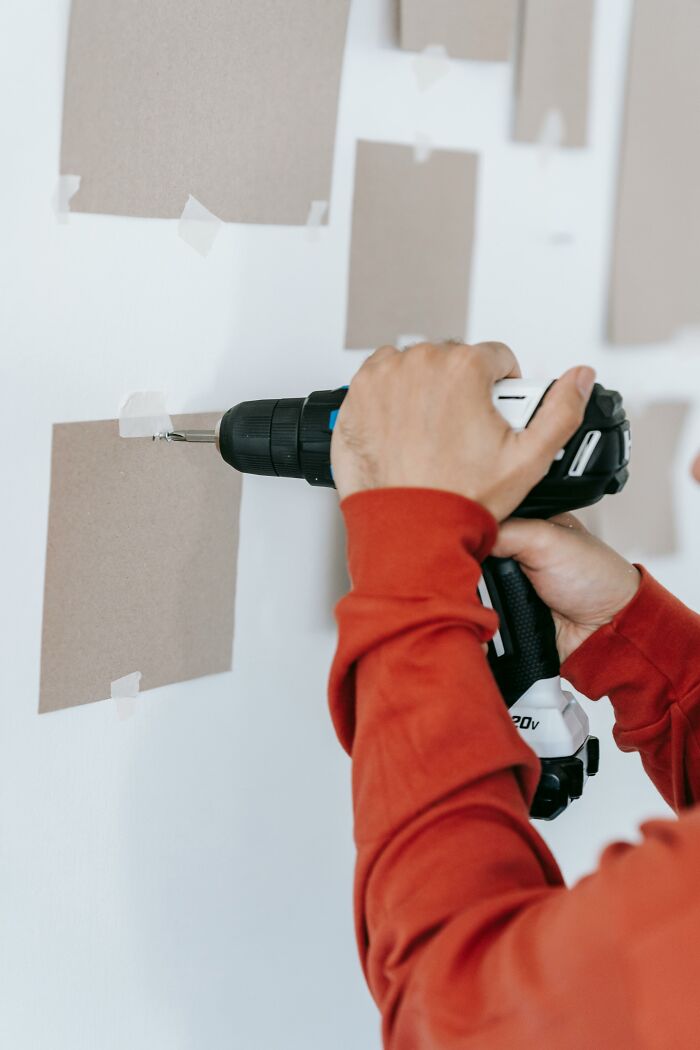 You don't have to do or fix every little thing right away. Sit back and evaluate the must-do from the nice-to-have projects. Your life will be so much less stressful.
I spent the first six months racing between the top of a ladder and the nearest hardware store, always with a list in hand. At some point, I asked a friend "when does it stop?" "It never stops." "Then why am I racing?" I was able to throttle it back after that.
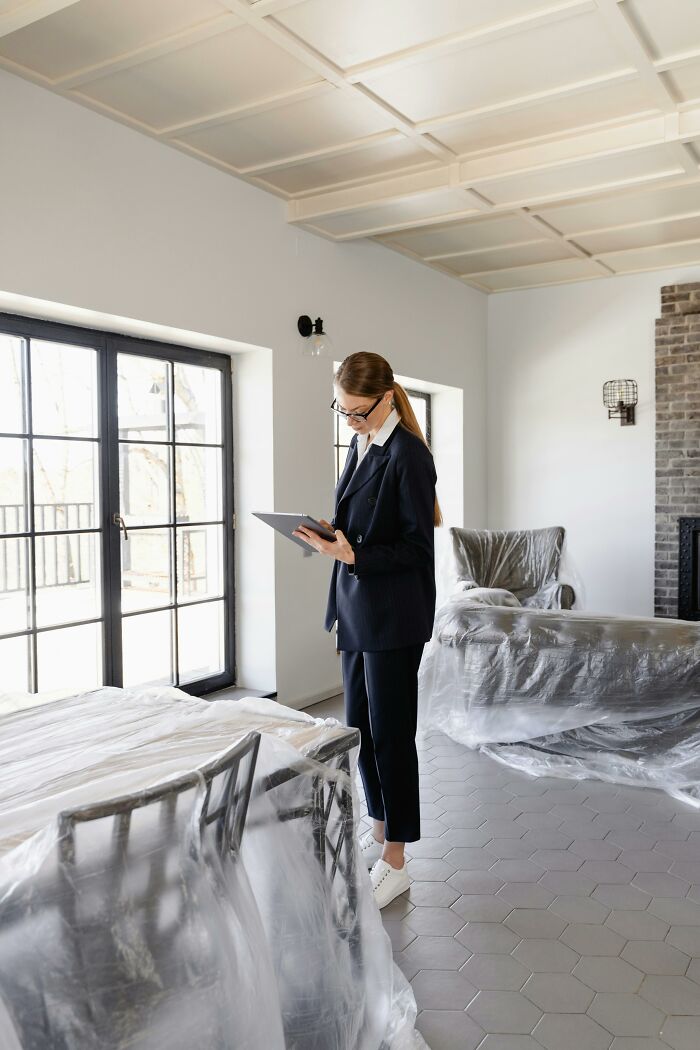 Make sure the previous owner pulled all the proper permits.

That's actually huge. One home we toured had converted the garage to a living space. There was no record of that house having pulled a permit. The city could easily have required the new homeowner to convert that space back to a garage.
 Try to visit a house on a rainy day or after a heavy rain. As other people have said, water is a fickle beast and it's good to get a sense of what is going on with the house.
Look VERY carefully at the walls, windows, cabinets, and other places you might gloss over on a first or second walkthrough. I totally missed mid-sized projects I would need to tackle once moving in....
Ask the inspector a LOT of questions. Get a sewer scope done and a radon test....it will all be great negotiating tools later AND it will help you plan out future fixes.
Make sure you know exactly what your comfort limit is on budgeting. Run some calculations on a high appraisal, lower appraisal, etc. Knowing exactly what you can afford and what you are willing to pay are very different things.
Try to find out how much $$ the previous owner (or folks in the neighborhood) pay for utilities. I have been a bit blindsided by those hidden costs!

Visit the house on a workday and drive to work from there, at 07:00 - not on a sunday
 Anybody that has an interest in you making the purchase is to be trusted with a grain of salt.

The problem with your examples, Christos, is that doctors, dentists, and accountants take an oath. Which they are legally held to.
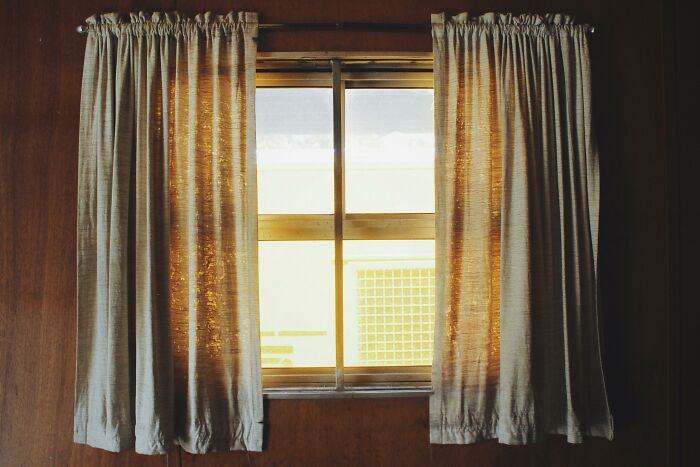 One of my key things is what you are seeing outside your windows. And do you have an opportunity to create a nice view. You may not have that chance out all windows but it you can have a nice shot of nature in one or two directions, even if you have to create a garden, it's a luxury. I feel like you can always fix up the inside however you like which is why I'm always so focused on what surrounds and/ or if there is a nice patio or balcony or yard space.

When we moved in to our house several years ago, across the street was a vacant field, often occupied by crows or ducks. Past that was a treeline then a clear view of Mt. Rainier. We often sat on the porch in the evening and watched the mountain turn pink with the sunset. Such a view was quite the rarity in our city! Within a couple years they had developed that field and erected a huge ugly gray modern building :p now we only see about 1/3 of Mt. Rainier. But hey, since it's the county's 911 building, our street has become very safe compared to the surrounding area! There's always security and usually police in the parking lot, and it's a 24-hour facility. So, we lost the view, but our section of street is a lot safer! (We live in a pretty sketchy city) 😂
 Closed on 9/30 with my boyfriend. Here’s my comments/advice:
-it takes more money than you think. More than just home maintenance. There were fees for EVERYTHING. My inspection was $600 alone. Be prepared to have that up front.
-Don’t be afraid to ask stupid questions. It’s better to know and look silly for asking than to look silly later for not knowing.
-if possible, try to set yourself up to have plenty of move in time. We have a month for our rental lease to be up & are very thankful because there are so many tasks (cleaning walls/baseboards, redoing flooring) that would have been annoying to do with all our stuff inside.
-If you‘be set aside time to see a few houses in one day, rank them in comparison with one another. Point out things you loved and hated (not liked and disliked). That’ll help better understand what you really want/need. It’s very easy to get woo-ed by the showing setup/Zillow pictures.
And last of all, don’t stress about it all too much! It’ll all work out!
 It’s remarkable how many wet basements would be dry if people would simply take care of their gutters and make sure the leaders carry the water far enough away.
My first house took in quite a bit of water the first time it rained. I remember thinking how was it so dry when I placed the offer. Turns out the homeowners removed the leaders and stashed them under the porch. I guess they thought it made the house look better. That was the easiest fix I ever had.
Be aware of situations like that where potential problems were covered up.
That house also had a door next to the kitchen that went out to a closed porch. What I didn’t notice was the storm door that wasn’t there. As soon as winter came the condensation on the inside of that door was unbelievable. That’s when I realized there had been a storm door there that they removed. It was relatively easy to install and it would have been taken care of sooner if I had been aware.
Every time I’ve looked at a house since then I look for things that are missing. It’s easier and cheaper to throw something away than to replace/repair it.
Since then I’ve looked at other homes that happen to have missing leaders, storm windows, storm doors etc. light switches that don’t seem to be connected we’re once upon a time connected to something that eventually broke and was removed. Waste disposals are popular item to remove instead of replace too.
 My wife and I are closing on Wednesday evening and getting the keys Thursday. For reference, we were at the beginning stages the last week of June.
**The biggest thing I learned**: The option period took us off guard, but it didn't have to be that stressful. You get the inspection done during this period and then complete negotiations. Our option period was 7 days, which felt like enough time, but we ended up extending it an extra two days to bring in a specialist. I mistakenly thought that negotiations were completed AFTER the option period and not during.
I suggest having a plan related to specialists you already want to see the home. For us, that was a foundation company, but we also contacted a mold remediation specialist, a chimney sweep, a plumber, and an electrician, all for estimates. It's hard to know before the inspection, so it may be useful to pre-emptively look up contractors using the BBB zip code search and jotting down a few numbers per contractor type.
Here are some other tidbits we learned along the way that I found to be very helpful:
* Decide on which cost metric you prefer. We used the conservative version of the "30 %" rule, which is that all housing costs will not exceed 30 % of take-home salary (the standard version uses gross salary). A lot of people also use the 28 % rule. It's up to you.
* Put together a realistic cost estimate. Include the monthly mortgage payment with the range of approved interest rates (use loan amortization calculator for the specific value). Look up annual property tax and put it in for the sale value. Include estimates for homeowner's insurance, PMI, electric, water, sewer, garbage disposal, HOA, internet, etc. USE THIS AS THE "MONTHLY HOUSING COST."
* Once you know your monthly housing cost, figure out your price ceiling as dictated by your "XX % rule". This allows your budget to decide what you can afford and not the other way around.
* Use realtor.com. The listings on zillow do not update very quickly. We would ask our realtor to see 5 houses the next day based on zillow and 4 would already be on contingency. He suggested realtor, and we never had any issues.
* Your interest rate will be whatever the interest rate is when the underwriters approve your loan, not the preapproved value. Given how fast rates have been increasing, it would certainly be worthwhile to take advantage of rate locks. We were pre-approved at 5.375 % with a lock at 5.500 %. When our loan was approved, our credit union's mortgage rates were 6.500 %.
* Think very hard about engaging in a bidding war. Your best tool is time. There will always be other houses.
* Your second-best tool is walking away. Remember this while negotiating. Think through what would cause you to walk away from your offer during the option period. Don't be afraid of walking away after (e.g.) a $500 inspection. Consider it as paying $500 to learn that a (e.g.) $250,000 purchase it not worthwhile (read: don't fall for the sunk cost fallacy).
* When negotiating, it is tempting to ask for money off the cost of the house or for the owners to fix an issue. Keep in mind that the owner is trying to maximize profit, so they will fix things in a way that costs them the least. For house cost, you are unlikely to break even unless you are living in that house longer than 5-10 years (assuming it's not a huge drop that's also reflected in the appraisal); this is functionally a larger down payment or hoping you can do the needed repair for far less than estimated. Instead...
* ...consider asking for closing cost money. You'll be paying this at closing anyway, plus it gives you the benefit of choosing specific contractors and ensuring the work is done to your satisfaction. You can then decide if you want to save money by hiring cheaper contractors or doing some/all yourself.
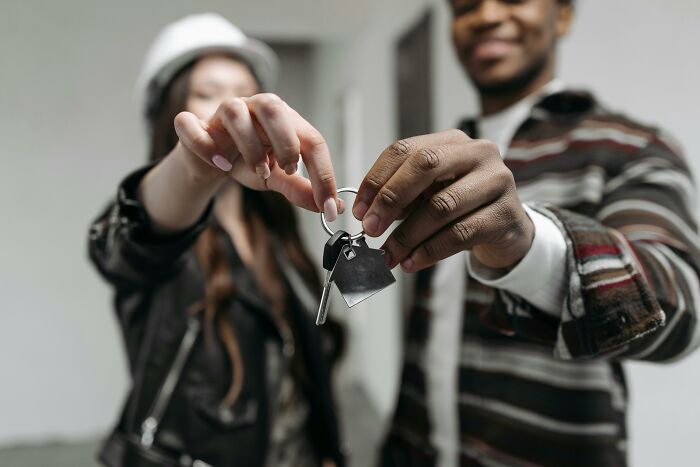 A lot of negative comments on this post. You don’t have to be married to buy a home together, and being married does not mean your relationship is more secure than someone that is married. My biggest advice is to work with a reputable lender and realtor, which it sounds like you are. And keep in mind, the mortgage you get now is not your forever mortgage. You always have the ability to refinance into a lower interest rate when they drop. Don’t let these bitter people drag you down. Go buy that home!

Uhm... Let's just say IF you buy together when not married, make certain that there is a clear contract or something of that kind that says that you BOTH need to pay the mortgage. Because if you are one day suddenly single, you might be in deep sh it if you have no leverage over the other person to pay their share. If it's in your name only, you'll be the one to pay. Marriage isn't just about being an official couple. It also gives legal background on how things will be split if you separate.
Don’t use the contractors / inspector / lawyer your realtor recommends. They are all in it together and you cannot necessarily guarantee they are being honest with you.
Don’t underestimate a “fixer upper”.
We almost went with one and bailed on the contract with the inspection contingency. Got a “turn key” home and we’ve still been busy with projects since the moment we closed 3 months ago.
I close tomorrow and it was very smooth with no hiccups or unexpected issues. It was everything i researched and was told by my realtor, lender, title company.
Family and friends were a great help too with crazy questions and advice.
The consistent advice I got was make sure 1000000% you find a realtor and lender you can communicate freely with and they with you. If you don’t don’t start the process until you do. They should be helping you and advocating for you sharing their knowledge and expertise to get you a good deal. The repeat and referrals is what makes them live….
Make sure your credit is in line first and foremost…
1. Interview several realtors even the ones referred by your family and friends. They will be your life line for all your questions, repeated questions concerns, freak outs so it’s truly a job interview. Be strict and people in the real estate profession have thick skin and know they have to prove themselves to you. Don’t go easy on them but obviously don’t be an a*****e either. Stick to your guns!
Things I looked for in my “interviews”
A. Patience (repeated questions, worries, help me understand)
B. Knowledge of process home buying process. Do self research and know a few answers to questions and ask your potential realtors if they can explain and answer to your satisfaction…without them knowing you know the answer leads into #1- patience. You will be able to hear and “feel” if a realtor is a good fit.
C. Prompts replies and details when reaching out.
D. Make sure they have a good relationship/reputation in the community. Also they should be able to be honest about good/bad builders and tell you if you like a house that it was built by a bad builder and not to buy, but your choice. For example cheap materials or less materials and only looks good.
2. Do the same for lenders. I would recommend interview several local lenders vs online or out of state.
Don’t be confused that a local lender can be a franchise. They will have connections to title companies, realtors, appraisers, and etc and apply pressure or help if needed. Online out of state lenders will not have that. Also online out of state lenders might have slightly lower rates due to less overhead. Ie offices in your city.
The rates from my local lender vs the online companies wasn’t much a lower and very small difference, which my local lender knew…they know so they can be competitive. The “luxury” to walk into my lenders office and b***h
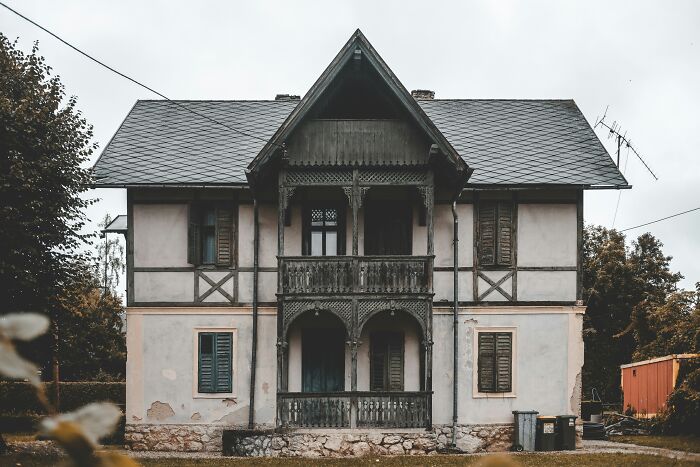 A lot of homes built before the 1980s have lead paint, which is dangerous for children. The regular home inspection does not report this and other types of hazards to you. You have to pay extra and get a lead inspection. If you ever plan on having kids, I'd really recommend the newer houses.
Save more money than you think you need, first year repairs can get expensive.

Here in France, the compulsory before-sale "diagnosis" includes lead and asbestos, among other things.
Pay special attention to layout and location. These are the two things you can’t really change about a house. There was a house I really liked but the location was wrong. I’m now glad I didn’t commit to that one.
We had better luck not playing around with escalation clauses in offers. That method invites games. If you’re not ready to play games, just make your best offer and that’s it.
The most surprising thing I didn’t really realize was that the house (owner) has to pick you too, it’s not one sided. Do what you can to pull at their heart strings (write a letter) so that you might get chosen over an all-cash offer.
Don’t buy anything big, change jobs, open any new lines of credit or do anything that might mess with your finances right now. Keep things steady. If you’re not sure, ask your lender before you do it.
Good luck!
 The property tax value will ONLY lower as far down as what you paid for the home On the first year after purchase. So get the best price possible. (Texas).

I have no idea what this means, as I don't live in Texas, but there are property taxes in most countries and you need to be aware of them. I got stung by them when I bought my apartment nearly 30 years ago. In the UK we have something called Stamp Duty. At the time it was 1% on properties over £60k - on the full amount, not just the bit over. My apartment was £5 under the limit. I was offered carpets, tiling and an alarm for £1k. My idiot solicitor failed to point out that the £1k would be part of the property price and that I would have to pay £600 tax, so the offered turned out to be a pretty poor one. Stamp Duty has changed now to work more like income tax bands, so you only pay a percentage of what you are over the threshold and not on the total. Find out the rules and thresholds for where you are and factor it into your costs.
Make absolutely sure that you’re comfortable with the monthly payment - don’t just go by what the bank says you can afford. I bought my house about 18 months ago and to be honest, I wish I’d gone with a slightly less expensive house. Also, make sure you have money set aside after closing costs, etc for furniture, any new appliances you’ll need, any repairs you’ll need to do early on.
If you are getting a variable mortgage run the numbers through excel and see what your worst case scenario is. Can you pay that? My mortgage agent up 50% after COVID but a knew I could absorb it without cutting back to much. I have friends that are bankrupt because their mortgage when up 400 euros.
You know what I learned? Don’t trust your realtors, even if they are your best friend. I overpaid 100k because I have a “trusted” realtor referred by my sister. Stand your ground and never ever use escalation clause. It’s a stupid way to show the sellers how much you can afford and trust me, these realtors will squeeze you out to the penny so you will pay the most. Treat the realtor as a “glorified doorman” because they are..why should you trust the biggest financial purchase of your life to some high school dropouts that have less than a month of training to get their license. If you are comfortable to make an offer at, say like 300k, your realtor will come up with b******t reasons to make you offer more. Stand your ground and say this is what I will offer or better yet, find a different realtor tell if they are not submitting your offer. Make sure you have a conversation with the realtor early on (aka the first meeting) that you will be making low ball offer. If you sense any kind of hesitation, don’t use that realtors. I know many people now are making offers 50k or even 100k less and sometimes they do get accepted. You only need one desperate seller to get a good deal. The housing market is trending down and you better take advantage of it.
The sellers are not your friends, they are selling you something. They will be whoever you want them to be. Keep it professional. If you are overly friendly, it makes it harder to ask for price reductions for issues that you find.
* Be prepared for tons of mail. 99% of it is a scam or someone trying to sell you a home warranty or something. They make it sound really scary and urgent. If you get anything that you *think* may be real, call your lender and confirm with them.
* Live in the house for a few weeks/months before starting any projects. Homes do this funny thing where the major issues seem to always happen RIGHT after you invested time/money on something minor.
* If you haven't already, start getting your utilities set up. And of course check to make sure they're actually available. I waited till after I closed on my home to deal with utilities, and what a surprise it was when I learned that my home wasn't actually connected to city water. That was fun to deal with.
* If you have a yard with grass, make sure you either have a mower or have someone lined up to take care of it. This is something I totally forgot about and it's sucks trying to mow 10" grass.
* This is super cliche, but join your neighborhood FB group. 99% of it will be dumb NIMBY drama, but there is sometimes good info in there.
* At some point in the next few weeks you're gonna wake up at 3AM and hear a weird noise in your house. Don't overthink it too much. Same thing goes for the first time when you leave your home for an extended period of time. Don't worry, it'll still be there when you get back. It's not going to randomly combust into flames.
Idk I could keep going, but basically take it slow and don't overthink things.
Yea, well. I didn't by a small house with garden very cheap because it was near a main road. Later I paid a lot more for a smaller house with just a patio a little bit further from the same main road. What I realised was, if we where having a BBQ making noise the background noise of the road help damp the noise so neighbours never complain. And we had some crazy parties, all nighters till dawn.. If I'd bought the first place I could have enjoyed the garden, and fitted quality sound proof windows and a decent air conditioning for when I whent to bed. I'm a noisy person anyway. Also remember in 30 year most cars will be electric.
Sometimes everything goes just fine! Trying to brace yourself for every possible thing that could go wrong will only make you exhausted.
Within a week of closing, we discovered that we needed to replace one toilet and the washing machine, and that our dishwasher didn’t work very well. Less than $1,000 to take care of the toilet and washing machine, and we decided to just hand wash dishes until we had an extra few hundred bucks floating around. We still haven’t coughed up the money for that because I truly don’t mind washing dishes.
And that’s it! We’ve been here just over a year and a half, and nothing else has needed to be repaired or replaced (knock on wood).
Always shop around (3+). Lenders, contractors, homeowners’ insurance, etc. It may seem time consuming because it is. At worst you’ll realize you immediately found the best deal and you won’t have to wonder if you got fleeced. Just about everything is negotiable. If you’re uncomfortable negotiating, you can simply tell them about the other offers you have.
We saved thousands on closing costs, interest rate, and insurance by getting offers from multiple lenders and insurance companies.
Don't buy anything (furniture/appliances/paint/etc) before you close! We jumped the gun and got so excited, because we didn't want to get stuck without xyz for 6months on COVID back-order... turns out we had to run to the store for more paint in one room and a shelf I bought didn't fit where I wanted it to, as well as a few nuances like rugs not fitting because they covered the floor vents.
Always measure first!!
On a more serious note- from personal experience and what I've read, getting into your first home is rarely going to mean getting into your dream home. Make sure you are meeting your bare minimum, but even then sometimes a great location or price can make something different more worth it!
Do not wait for "dream house", get something good enough and upgrade it. You can make a lot of changes to make it perfect. And there is a lot of wisdom in "measure twice, cut once". Measure, think, measure again, then buy, cut, start,... Do you have enough paint? On the bucket they say "enough for 12 square meters", but that is when everything goes perfectly, you will be lucky to get 10 meters. Cement bags? Have at least one extra. It is cheap and it is real pain if you are short or if you have to use old one. Get that extra bag!
No one knows what they are doing.
This is nonsense. I have a fairly decent idea of what I'm doing most of the time.
Tons of people have cameras in the home and outside of it, be careful what you say on the property!

For real. When my son was selling his home he overheard some comments made by potential buyers standing in the driveway that made him decide not to sell to them.
Water/ plumbing, foundation, electrical….most expensive repairs.
location really does matter.
the longer you can live there, the better.
storage is very helpful.
Ask for quotes for all inspections you’ll need, then add about $500 extra just in case. That money has to be in your account basically when you make an offer, plus your earnest money!
No one explained that part to us, but we had the funds so it didn’t matter!
ETA: If you’re putting in an offer and it doesn’t sit right with you, don’t do it. The first home we put in an offer on with our new realtor I felt nauseous, light headed, and just all around not good. I wrote it off as not feeling well, as soon as they rejected our offer I felt so much better. So trust that gut feeling.
The house we closed on and now live in, I had no hesitation and no icky feeling when we put in our offer.
My realtor did not deserve $10k. I found the house and did most of the work. We need to develop the technology to automate these people out of their meaningless middleman jobs.
Beware rewiring
(as I type I am in a hotel room waiting for the day the house is ready for me to go back in and get all that dust out, no regrets though).
Don’t believe anything technical that the sellers tell you - have it verified by a professional. Bought a house that was flipped by a company and then owned for about 3 years. The owners told us they never had water issues in the basement - 6 months in told us that was a lie. It was purchased when the market was very hot and offers included waving the inspection. We did that and upon acceptance the sellers said they would provide theirs since they hadn’t made any significant updates - they decided that wasn’t the case anymore and dint provide it. Not to say sellers are full of it - but they are going to put their interest first.
Agree 100%. I distintively remember asking about the outside insulation of the basement walls, and their answer was wrong. No, you did not add insulation when you did renovation work. That's up for us to do now as there is no indulation below ground level whatsoever. Figured that out long after we could have held sellers or the inspector we hired accountable. But well, we knew the age of this house.
Pick the house that feels right for you. Everyone will have an opinion but only you know what you need in a house. And ignore the negative talk and horror stories. Also, I was surprised at how emotional the process is. Be kind to yourself.
And don't forget, if your home has increased in value by 50%, the "dream house" you want did too. LOTS of folks got screwed in 2008 by values dropping (paid $200k, assessed at $300k a year later, one year after THAT? Worth 75% of your initial loan.
What the bank thinks you can afford and what you can afford are two different numbers.
I recommend a healthy emergency fund for home repairs. 5-10k if you can.
My first properties were rentals. Was great as it forces you to take a hard look at maintenance costs. Worth reading up on the basics to get a vibe on the costs of a home.
Don't believe your lender and agent when they tell you wires take 20 min to process. Check with your bank and send it early, mine told me 2 days
Physically go to the settlement for the paper instructions and bring it to the bank to process it for scams and errors
Renovations have increased much more than I thought. Maybe I wouldn't have gotten a fixer upper.
If possible, do renovations before you move in instead of before you're selling it so you can enjoy them. Especially bedroom hardwood if you're removing carpeting because that will be a pain to do later.
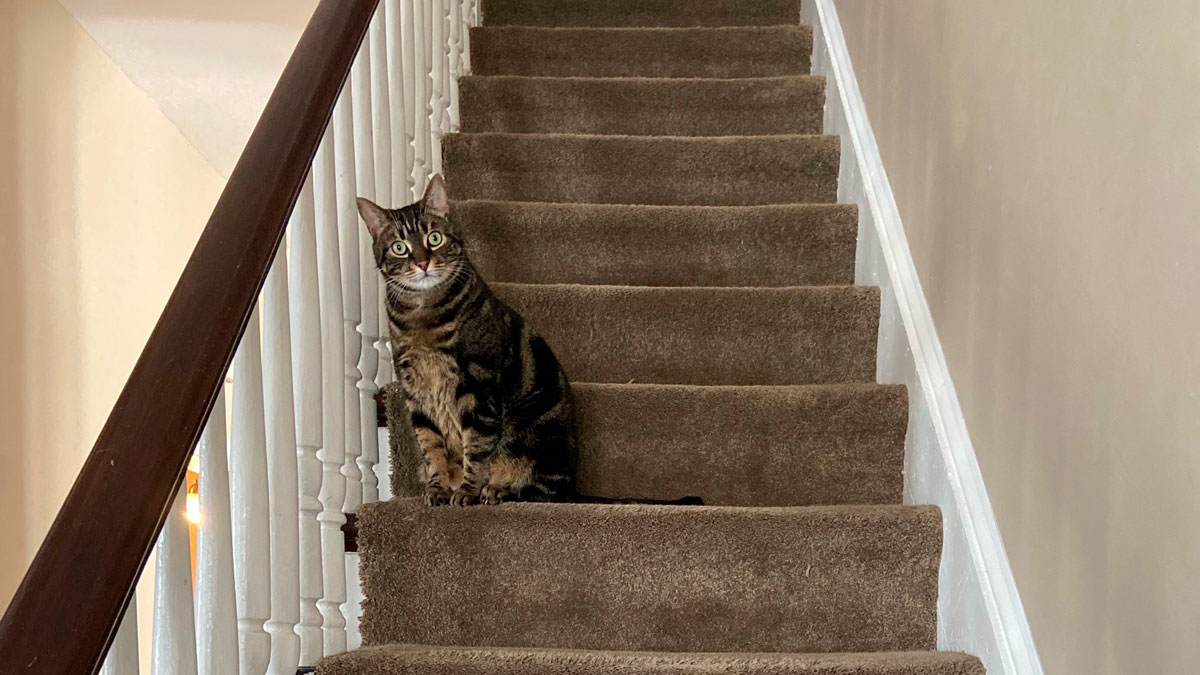
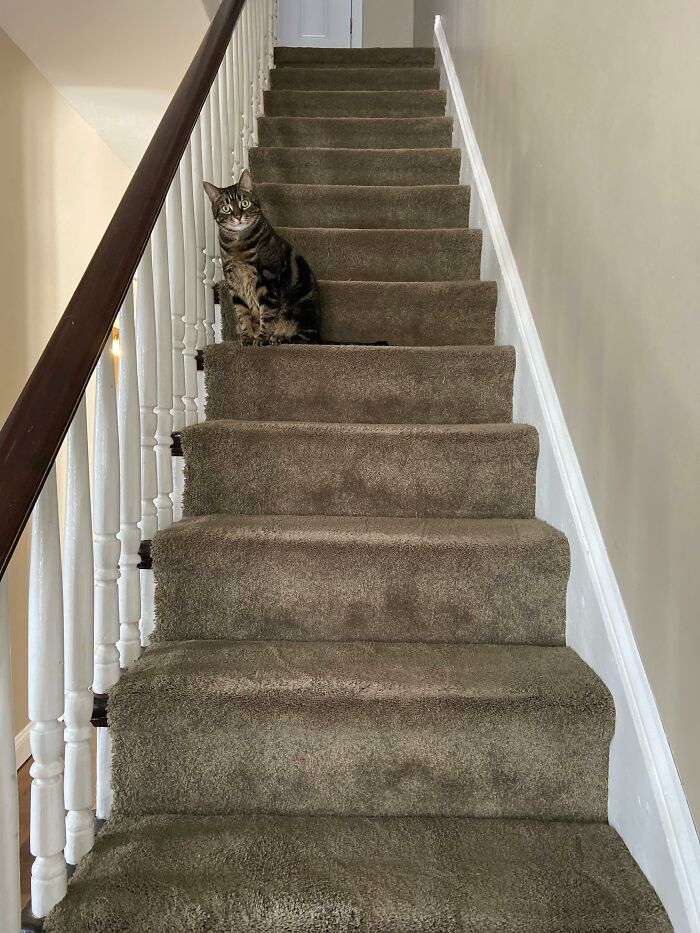 Don’t buy a house with carpet on the stairs. Not necessarily because they’re hiding anything, but because it’s a b***h and half to remove the staples.
I will probably get downvoted for this
If your state allows it, get a home warranty and renew it every year. Most people will say they are useless but it has been a huge benefit to me and my wife. They have limits in their policies but it does help.
Besides the yearly fee, you have to pay for each visit. Since 2013 I have gotten a new electrical panel, out if pocket, $200 for $1500 of work. I had a pipe burst. Out of pocket $65, repaired, not one but 3 different leaks. Garbage disposal died, paid $65 for the plumber. Outside AC unit died, due to the age, gave me $1500 for it. Which I used towards a new one. They have saved a lot of money.
Google potential neighbors! One of ours is the town trash, which we learned after we moved in and he began harassing us. We would’ve learned a lot from Google.

I don't get this? You Google the potential neighbor's name and what exactly tells you they are trash? In this particular instance what would have shown up in the results??? I could see checking a sexual offenders database, maybe. Also, where are you getting a list of the neighbors from?? Not all homes are owned by the people who live there.
My inspector noted some minor things that needed repaired that weren't emergencies which did help with negotiations by a few thousand dollars. I wish I'd waited to fix several of those things, though, and waited to see what more critical things would be popping up over the next year or so and saved my money for those things instead.
Not everything needs fixed right away. Prioritize what's critical and wait on the smaller or cosmetic issues until you've gotten more familiar with the house. I had several plans for things I wanted to replace or change about the house and almost all of those things became lower tier problems that still haven't been addressed after 4 years. I plan on being in this house for years to come, it'd be nice if it was my dream home immediately upon moving in and stayed that way, but I've learned to accept that that's not reality with probably most if not all homes. Take your time and get comfortable before taking on big projects if the way it is currently isn't going to risk long term damage or greater expenses.

I don't know why I bothered reading this. I'm going to die in someone else's property.

I know right? Yay rent, costs twice to three times as much as a mortgage here.
Load More Replies... Don't buy a home with a water heater in the attic! Neighbor was out of town when theirs failed. Lord what a mess that was!
When looking at houses have things in your head of "where will it live" as sellers have tidied / hidden - my list was stuff like - where does ironing board / vac go - those not often used stuff - suitcases / christmas tree and my main one - where will the bikes go - as many houses have been carved out to make the max of space , but converting garage / loft means no storage. Also check at different time of day is it on school route / pub route etc
I don't know why I bothered reading this. I'm going to die in someone else's property.
I know right? Yay rent, costs twice to three times as much as a mortgage here.
Load More Replies... Don't buy a home with a water heater in the attic! Neighbor was out of town when theirs failed. Lord what a mess that was!
When looking at houses have things in your head of "where will it live" as sellers have tidied / hidden - my list was stuff like - where does ironing board / vac go - those not often used stuff - suitcases / christmas tree and my main one - where will the bikes go - as many houses have been carved out to make the max of space , but converting garage / loft means no storage. Also check at different time of day is it on school route / pub route etc

































 No fees, cancel anytime
 then open in external browser


 and click "Open in External Browser"