Get Premium
Dark mode theme is available exclusively for premium users. Learn more about the benefits of subscribing.
No fees, cancel anytime.

 Dark Mode Ad-Free Browsing Unlimited Content
 Ad-Free Browsing Unlimited Content Dark Mode
Join 1.2 million Panda readers who get the best art, memes, and fun stories every week!


The Olympic Games rarely pass without any drama, disqualifications, and losing medals. Even the best athletes on the planet can get kicked out of the games for reasons that are as varied as the number of competitions they participate in. These can range anywhere from illegal doping and breaking Olympic etiquette to some eyebrow-raising things like being deemed too young to compete or having your food spiked. And just because you’ve won a medal doesn’t mean that you’ll keep it.
Our inquisitive team here at Bored Panda has researched some of the most peculiar reasons why Olympians got disqualified or were given bans. We’re sure that this is bound to change how you view the Olympics. It’s all a strange mix of honest effort, sportsmanlike behavior, blatant cheating, doping, and overwhelming bureaucracies that care too much about the rules as written instead of the spirit behind them.
I wanted to learn more about how professional athletes deal with the massive pressure they're under and about the importance of one's mindset when it comes to important competitions, so I reached out to Dr. Josephine Perry. She is a sport psychologist and the author of '10 Pillars of Success' which will be out on Audible from August 15. You'll find Bored Panda's full interview with her below, dear Pandas.
This post may include affiliate links.
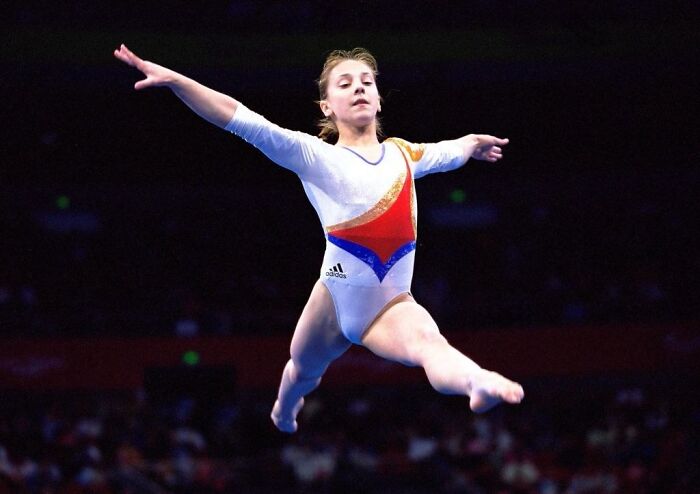
Andreea Răducan is a former gymnast who represented Romania at the 2000 Summer Olympics at just 16 years old. While she won the gold medal for the women's all-around competition, she tested positive for a banned substance that was found in cold medicine, which was given to her by the team's physician. Even though she was later found not guilty of doping and the physician was banned from practicing in the 2004 and 2008 Games, her medal was not reinstated.


Pseudoefedrine was taken out of the banned substances list two years later. It was an informal acknowledgement that pseudoefedrine helps in no way a gymnast's performance; on the contrary, it gives drowsiness. That AA competition sucked from the very beginning, with the vaulting horse set too low that caused gymnasts to fall on their vaults and mess up their chances; some of them got injured.

I remember watching that one and could not believe they didn't give the vaulters a do-over when they figured out that the height was set wrong. I felt terrible for the gymnastics and still think it was unfair.
Load More Replies...
Until an investigation is complete they shouldn’t strip anything. This wasn’t her fault

It wasn't any of the other competitors' fault either.
Load More Replies...

Okay, let's be real now, the amount of substance found in cold medicine would, in no way enhance the performance of a super gymnast enough for it to be much of a concern though...right? I just don't understand how that little tiny bit of substance would make ANY sort of difference for them. A regular person? Hard maybe, but a super strong athlete like an Olympic gymnast? No way. As a member of an opposing team, I wouldn't be concerned at all. Heck, just pass the cold medicine around to everyone then, lol

So you have a cold? Never mind the Olympics then. You could dope out on cough serum or go to far with the nasal spray. Oh you have asthma? Lung boosters are cheating get your sorry ass and your life saving inhaler outta here. No free lungs during THESE games.

During the all around the vault was incorrectly set and Raducan was one of the participants who vaulted before they realized the mistake. At least one gymnast was injured because of it and others were shaken and allowed another chance when the mistake was figured out. Raducan didn't even need a second chance, she had done so well on it and Romania had swept until her gold was taken away. Her teammates and the gymnast from China didn't take part in the ceremony to re-reward the medals and eventually her teammates only accepted their new medals so they could still take Gold back home.


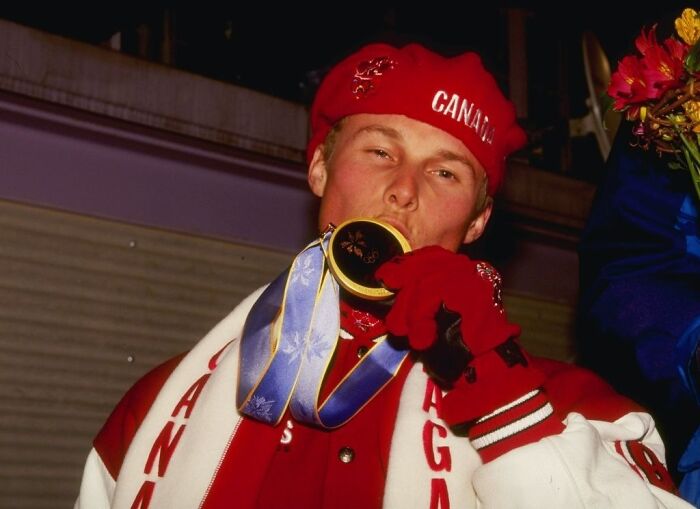
Ross Rebagliati competed in the 1998 Nagano Winter Olympics and won the gold medal for Canada in the men's giant slalom event. However, he tested positive for THC so they disqualified him, despite THC not being a banned substance. Because of that, the Canadian Olympic Association ruled that the IOC had no authority to take the medal away for that reason, so they had to return the medal. But they added cannabis to the list of banned substances two months after the Games.

That's just foul. Also no decision can be made by changing the rules afterwards. If anything people would be protected say if you change a rule mid games and they tested positive for that rule the day after you instated it. I get you don't want any precedents, but this is just looking for ways to cover up a mistake in judgement.

That's why the medal was returned. They changed the rules after this but the new rules weren't applied to Ross again, he kept his medal.
Load More Replies...

So stupid. There's no reason to prohibit THC unless it's illegal in the area. Unless you count it as something that calms them maybe? Like an unfair advantage because they aren't freaking out so much that it effects their performance that way? I dunno, I just don't get why it's banned
Marijuana is not a performance enhancing drug. If anything it slows you down. So stupid


We had a slogan on the West Coast when this happened: Smoke a Fatty for Rebagliati 🤪
Load More Replies...
Now.. many of us... everywhere... recall what we're like when we have a wee bit o' cannabis in us... I can't add single digits and balancing is kinda iffy... needless to say how I'd do trying to maneuver an Olympic level Snowboarding run. Thus... many of us entertained the thought 'He... did THAT... and he was high on POT? He deserves two medals!"


THC is basically illegal everywhere except wherever Weed is legal. So I'm guessing it's more to be in line with the countries the Olympics mostly take place in.

Look, Weed isn't a performance enhancer... unless someone is waiting for you at the finish line with snacks.
Rick DeMont is a former American swimmer who competed in the 1972 Munich Summer Olympics. At just 16 years old, he won the gold medal for the men's 400-meter freestyle and qualified to represent the US. However, his asthma medication, Marax, had a prohibited substance in it. While the US Olympic Committee was aware of the medication, they never cleared it with the IOC, and he was later disqualified and banned from competing in any other events.

That's so unfair. Asthma is not something you choose to have.
Yes but it also opens up an opportunity. If a coach finds prescription meds for real medical conditions that contain enough of a prohibited substance to be performance enhancing, they could pay off a shady doc to diagnose their athlete with it. So the ban is absolute. You're not allowed the prohibited substance in any form.
Load More Replies...
Nice. Bureaucrats screw up a good athletes career due to carelessness.
It was probably a corticosteroid, which gives a false positive for anabolic steroids. I used to have a steroid inhaler and was told of this possibility (not that I was ever a good enough athlete to make a national team, ha ha.)

STUPID!! Athletes train, go out and perform--and have it ALL NEGATED by some arbitrary administrative "rule".

My mother had severe asthma back then. There weren't a lot of different medications for that back then. Not just any asthma medication works for everyone. You have to use what keeps you alive.


No, he was banned for taking a medication containing banned substance
Load More Replies...Dr. Perry explained to Bored Panda that athletes learn a number of techniques to keep their stress from having an impact on their performance. Two of these are colorful breathing and getting task focused.
"Many will use breathing techniques which help them slow down the physiological responses to their threat system being triggered," the sport psychologist told Bored Panda. "One I really like using is colorful breathing where we pick our two favorite colors and as we breathe in through our nose for 4 counts we imagine breathing in one of those colors and then we breathe out the other color through our mouth for 6 counts. It stops our brain overthinking and slows our breathing down to only 5-6 breaths a minute."
Meanwhile, athletes also do their best to focus only on the tasks that are immediately in front of them. That way, there's "no headspace left to focus on outcomes." Focusing on our performance instead of the end result is liberating. This way, their performance actually improves.
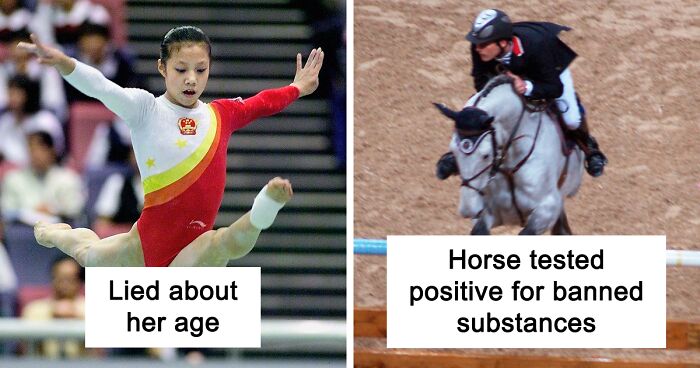
Dong Fangxiao competed in the 2000 Sydney Summer Olympics, where her gymnastics team won a bronze medal for China. However, it was later revealed that she was only 14 years old, which was considered underage to compete. Because of that, they were later disqualified from the games.

You must be 16 to participate in gymnastics at the Olympics due to age restrictions. As shown by Simone Biles this year, it is a very physical and mental demanding sport and they feel 16+ would be better suited for that. In the past by the time someone was around 16-18 they could have already been deemed "too old" putting pressure on the others who could be as young as only 14. Also, other sports also have age restrictions such as boxing which is upped to 18.
Load More Replies...
She had to end her career at 15 because of health problems. Might be the best example why the age restriction is neccessary.
Have they changed the rules since? The British girl who won the bronze in skateboarding was only 13 and I'm sure there was a table tennis player who was 12...
Certain sports have age restrictions to avoid training causing permanent injury, gymnastics is one of them.
Load More Replies...
yup but this was before i think? there was a 13yr old in the 20/22 Olympics


There were two 13 year old kids. Minimum age is based on the individual sport.

A 12 year old won skate boarding this year so rules must have changed. Edit. Just did a quick research and it depends on the sport in question. Gymnastics the minimum age is 16. Source https://www.forbes.com/sites/carlieporterfield/2021/07/25/meet-the-youngest-olympians-competing-at-the-tokyo-games/

Gymnastics has an age requirement of 16 so children are not forced into disabling exercises while still growing. Dong Fangxiao is actually a prime example of why this rule is in place - she was forced to retire at the age of 15 due to bone necrosis in her thigh caused by training aggravating an injury she sustained.
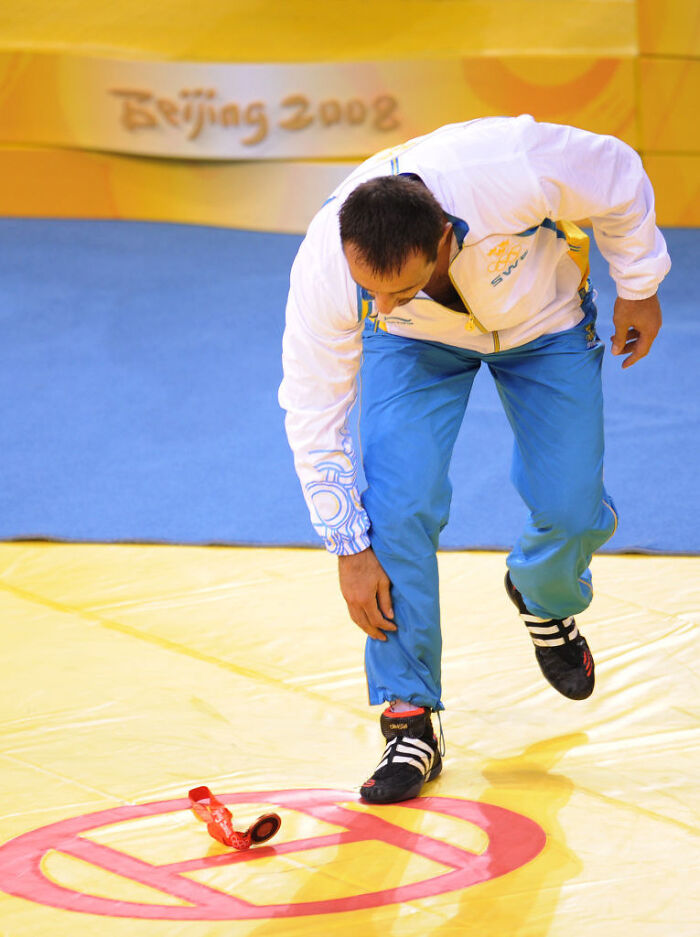
Load More Replies...Ara Abrahamian is an Armenian Swedish wrestler who competed in the 2008 Beijing Summer Olympics. After disputing the judge's ruling during a semi-final match, he won a bronze medal but took it off during the ceremony, placed it on the mat, and left. The International Olympic Committee (IOC) then stripped him of the medal and banned him for life.

It is when drugs cheats get less. Just shows that the IOC values pomp and ceremony over integrity.
Load More Replies...
The judge initially awarded Abrahamian a point, but after the round they assigned the point and the match to Minguzzi because Abrahamian had his hand in the blue zone, when having a hand in the blue zone is not penalized. Minguzzi had almost his whole body in the blue zone earlier in this match however the judge refused to do a video review of the match.

He was making a point over something that mattered to him, so they punished him. He should have been respected but then again these people in high places with little brains

Before this he also get cheated by judges that paid by the people he compete
I bet he didn't (and still doesn't) care. I wouldn't if I were in his shoes!
Indeed. This is like your boss trying to fire you when you already quit. IOC are such pompous tools it's not even funny.
Load More Replies... 
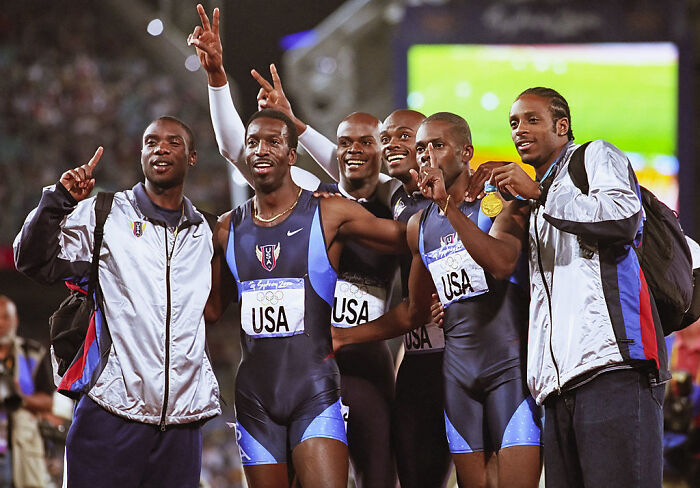
Jerome Young, Michael Johnson, Antonio Pettigrew, Angelo Taylor, Alvin Harrison, and Calvin Harrison competed in the 2000 Sydney Summer Olympics and had their gold medals stripped away, reinstated, and stripped away again. Jerome Young committed a doping offense, so the entire team had their medals taken, but since he didn't run with the rest of the team in the finals, they got them back. But later in 2008, Antonio Pettigrew admitted to using performance-enhancers, so the entire team was disqualified...again.



I feel bad for the 4 other members of the team. They lost their medals because their teamates did doping? Sound like "punish the whole class" type of situation.

It was not an individual thing, you cant say they would have won if they other ones did not use doping. So in a group project its understandable no one an keep the medal. I mean, it sucks for the other members, but otherwise it would not be fair.
Load More Replies... It's hardly surprising. I am glad they were found out and suffered the ignominy of being stripped of their medals. They stole glory from the next placed team and denied them the experience of topping the podium. If you cheat once, you should be banned for life from all sports.

If he could just shut up and leave his confession in his will.
"This feels counter-intuitive but the less we focus on winning, and the more we focus on performing exceptionally well, the better our results tend to be as it means our threat system is less likely to get triggered," Dr. Perry said.
Bored Panda also wanted to find out the importance of an athlete's mindset, determination, and drive when it comes to their physical performance. Dr. Perry noted that she feels that mindset is "incredibly important when it comes to sporting performance," as any sport psychologist would.
"Often, athletes tell me they would do far better if they could just switch off their brain and compete as their body would do what it needs to without the unhelpful interference in their heads," the sport expert shared with Bored Panda how some of her clients feel.
"Having worked with many professional athletes though I would say that they don’t need more determination or drive—they usually have that naturally in bucketloads—often they need holding back a little so they can look after themselves, their mental health and bring other things into their lives so they are not so completely consumed by their sport," she said that professional athletes need to learn to slow down and balance out their passion for their sport.
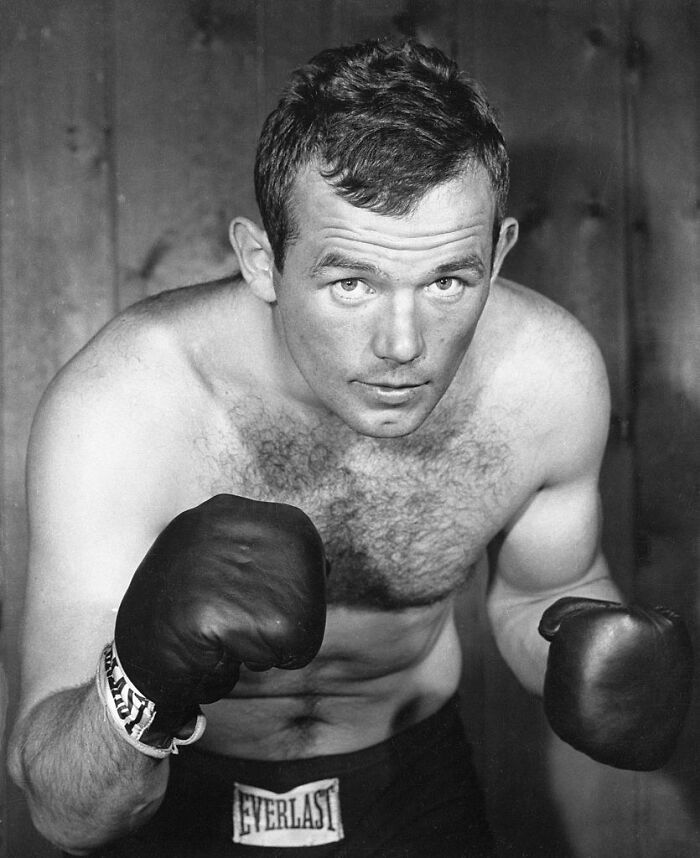
Ingemar Johansson was a Swedish boxer who competed in the 1952 Helsinki Summer Olympics. He competed in the Games at 19 years old and made it all the way to the gold medal match, but he was disqualified for passivity (basically he was blocking more than he was punching) to tire out his opponent. However, his silver medal ended up being reinstated in 1982.

Mmm, nowadays is. At the time boxing was more like looking at guys butchering thyselves with fists
Load More Replies...
What he did was totally fair. It isn’t cheating. It’s just simple blocking and it’s a smart tactic.
Since when defence is not allowed?? I remember in 2004 when my country won the Euro in football they were "accusing" us that we were too defensive and didn't deserve it cause we didn't play nice football! Well we did manage to score at least one goal in each match so i don't get what's the issue!

It's called "Rope-a-dope" and it won Muhammad Ali the heavyweight title.

That's like saying you don't deserve the Gold medal because you're a "lazy boxer", com'on man.


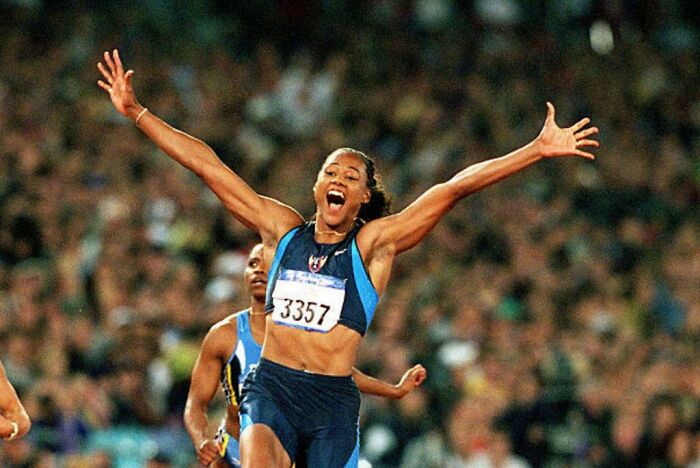
Every couple of Olympics, a track and field athlete completely dominates the rest of the field. That was American Marion Jones in 2000 as she laid waste to the world’s best athletes. She was the toast of the games and later played professional basketball.
In 2005 and 2006, though, the sprinter became caught up in the BALCO steroid scandal. In 2007, she admitted that she had been using steroids during the games and was stripped of her multiple 2000 games medals.
money! medal gives you sponsors. and since you're someone only if you have money in usa...
Load More Replies... Believe it or not, steroids will not turn a mediocre athlete into a good one. You still have to train hard and be talented to win gold.
It does give you an unfair advantage over the athletes you're competing with, and that's the point.
Load More Replies... 
I still remember the one time I cheated on a test in high school. I still feel such disappointment when I think of it . The most hollow A ever
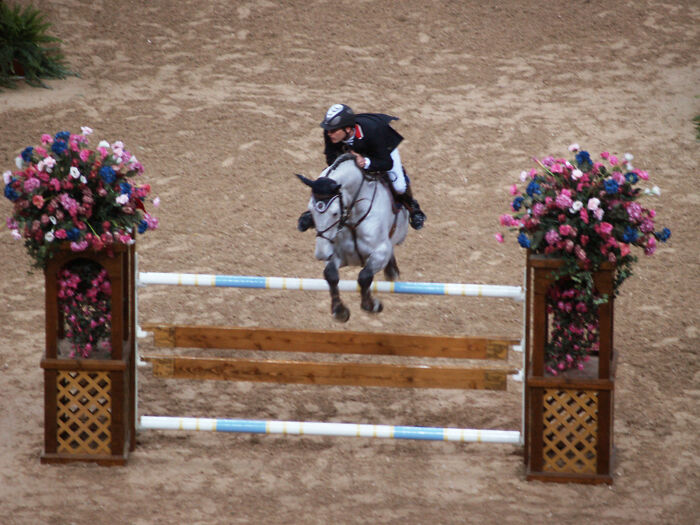
Humans aren’t the only ones tested for illegal drugs at the Olympics. Horses competing in the equestrian events are also scrutinized, and at the 2008 Olympic Games in Beijing the horse Camiro, ridden by Norwegian Tony André Hansen, tested positive for capsaicin. Although commonly used for minor injuries in a topical ointment made from chili peppers, capsaicin can be a stimulant and is thus on the list of substances banned by the Olympics. Hansen and Camiro had won bronze in a show-jumping event but were stripped of the medal.
That's disgusting to feed an animal performance enhancing drugs for some stupid race

He didn't give the horse the "illegal stimulant" capsaicin, he used an ointment that has capsaicin in it. It is quite common in ointments for horses AND people. I use it on my horse when he has horse fly bites and abrasions from knocking up against something.
Load More Replies... After he'd been out on the town with the Jamaican team the night before, Camiro was asked by his trainers if he'd taken anything. His response (altogether now!): Neigh

Capsaicin is like chilis that you rub on the horses legs and it makes them really hurt if they even touch a jump. It’s awful and has been shown to affect the horses nerves after use.
if used as a topical it surely cannot be enough to enhance this big horse's performance?



A horse that won a major racing event recently was nearly disqualified. Apparently a groom on cold meds had urinated in a stall, and the horse apparently ate some hay that had been... "splashed". It tested positive for a banned substance - in the picogram range! The trainer was banned, but the horse was reinstated as the winner of the race.
Wait. You mean the horse ingested it or was injected it instead of it being its ointment?
I don't know how they would have injected it though. It's an ointment used as a pain reliever, think Icy Hot but for horses.
Load More Replies...The Tokyo 2020 Olympic Games haven’t been without their fair share of drama, either. For instance, US sprinter Sha’Carri Richardson missed the Olympics because she tested positive for marijuana use.
Sprinter Sha’Carri, from Texas, is considered to be the sixth-fastest woman in history. The BBC notes that her best-ever time for the 100-meter sprint was done in a lightning-fast 10.72 seconds.
However, the sprinter tested positive for cannabis during a qualifying race and, in early July, it was announced that she wouldn’t represent the US at the Games. This decision has reignited the debate about marijuana use by professional athletes.
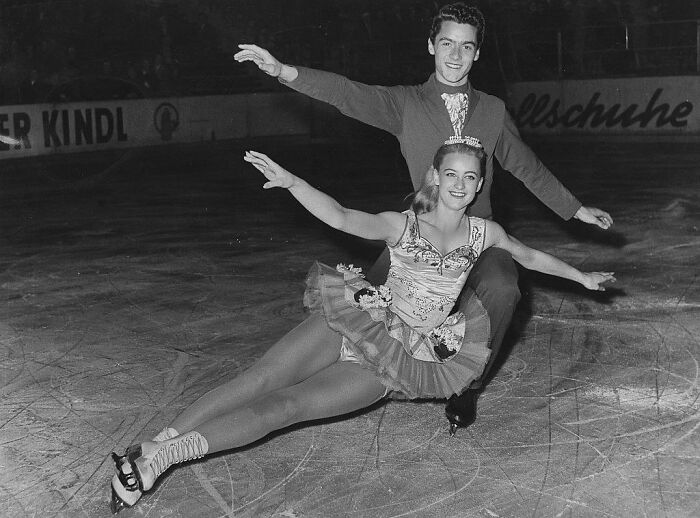
Kilius and Bäumler competed in the 1964 Austria Winter Olympics as pair skaters. They went on to win the silver medal in figure skating, but because of their professional participation in the show Holiday on Ice prior to the Games, they violated IOC's amateurism rules. While they were stripped of their medals, they were later returned — but not until 1987.
At that time the Olympics were supposed to be for strictly amateur athletes only. Never mind that the Eastern block countries were completely funding them to the point where they were effectively state employees.
Load More Replies... 

The so-called amateur requirement of the modern Olympics dates to their creation when athletes were all assumed to be upper class. It had serious classist and racist overtones. The original Olympics were completely different, athletes were sponsored, took bribes, used performance enhancing drugs, and cheated.

Just what I was going to say. The 'amateur' requirement was enforced to keep the working classes out of the games. You had to be able to fund yourself.
Load More Replies... In those days Avery Brundage (head of IOC) was nuts about anything "professional". Skiers were in trouble if during an interview their skis happened to show the name of the company that made them. That was advertising.

Hans-Jurgen is like the go-to German name for non-German people, like John Smith for us.
Too many RIDICULOUS "rules", with athletes having no means to defend themselves.
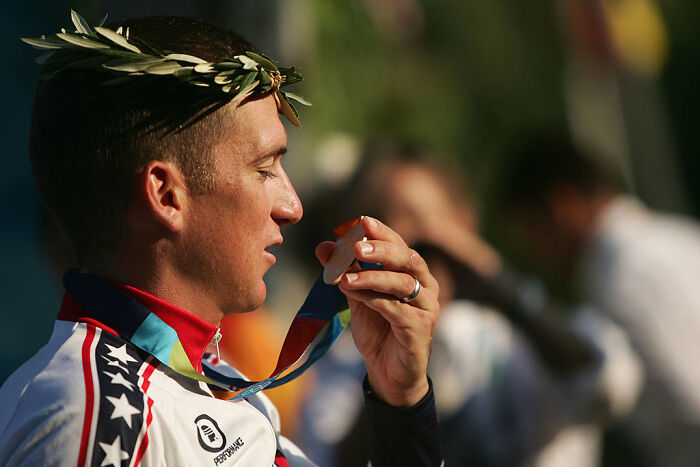
Tyler Hamilton is a former American road bicycle racer who competed in the 2004 Athens Summer Olympics. He won a gold medal, but a drug test found someone else's blood in his bloodstream, a form of blood doping. He later went on to confess to various forms of doping and included former teammate, Lance Armstrong, in his confession. In 2012, the IOC ordered for the medal to be returned.

They increase the number of red blood cells in the blood, therefore increasing the availability of oxygen, giving a direct performance boost!
Load More Replies... 
S**t me. I did not even know you could do this. That is totally whack.

Blood doping gives you extra red blood cells, which means your body can carry more oxygen. In a race, that IS an unfair advantage.



They basically inject more red blood cells which will carry more oxygen, hence enhance performance
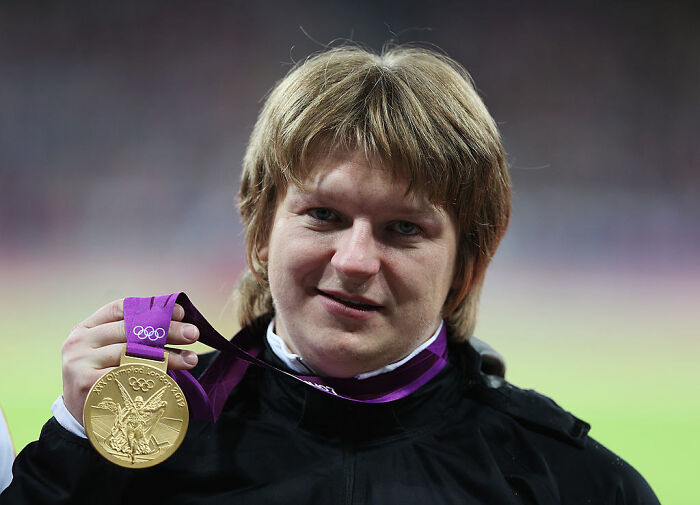
Load More Replies...Nadezhda Ostapchuk is a shotputter from Belarus who competed in the 2012 London Summer Olympics. Apparently, her coach admitted to spiking her food with a banned substance because he thought it wouldn't be in her system by the time of her drug tests. She won a gold medal but failed her drug test, resulting in her being disqualified from the Games, receiving a one-year ban, and her medals being stripped from both the 2012 and 2008 Games.

I agree with the disqualification, but a ban for a year because of something she herself didn't do is a bit much isn't it? Specially when the coach admitted to doing it
Sadly there's no way to prove the coach did it and that Nadezha didn't know it was happening. It's why the defense of "I didn't know the stolen jacket was in my bag, my kid must have put it there" wouldn't really hold much water either.
Load More Replies...

I feel like the coach deserves some kind of legal punishment? He basically drugged someone against their will
Not basically, he specifically, definitely, drugged someone against their will
Load More Replies...
Silver medal winner (later awarded the gold) Kiwi Val Adams & all the other shot putters knew she was a drug cheat & said so prior to the games final because her distances went through the roof once she was at the games. Adams was obviously pissed standing on the podium next to the cheat but was very dignified. An amazing woman. Silver this year. Go Val !
Why not ban the coach instead considering they’re the guilty party?!
I can see it in her face. The drugs I mean. Drugs are scary things.

Yes her. Not every female looks like the playboy girls you have wet dreams about
Load More Replies...The World Anti-Doping Agency has banned marijuana since launching its list of prohibited substances back in 2004. Substances get banned if they meet two out of three criteria, i.e. the substance harms the athlete’s health, the substance is considered to be performance-enhancing, and the substance goes against the spirit of the sport.
In 2019, WADA removed cannabidiol, aka CBD, a component of cannabis, from its list of banned substances which has, in turn, fuelled criticism for banning Sha’Carri from the Olympics.
Meanwhile, a number of pro athletes have had to drop out of the Tokyo 2020 games after testing positive for Covid-19. Forbes has the full list so far, but among them are American pole vault champion Sam Kendricks, Argentinian pole vaulter German Chiaraviglio, Dutch tennis players Jean-Julien Rojer and Wesley Koolhof, and German cyclist Simon Geschke.
Hans-Gunnar Liljenwall competed in the shooting portion of the pentathlon at the 1968 Mexico Summer Olympics. Though his team won a bronze medal, he drank prior to competing, and the team was forced to give back their medals, despite alcohol not being a banned substance at the time. The 1968 Games were the first to introduce drug testing, and Liljenwall was the first to be disqualified for it.
Not always a good thing to be first. I don't get why they had their medals taken away though, as alcohol wasn't forbidden at the time!? Some of the decisions in this list are rather dubious.

yeah, it's not like drinking alcohol would enhance his abilities
Load More Replies... "I don't always get drunk before competing in the Olympics, but if I do. It is with Absolut or Explorer Vodka"

Ridiculous. It wasn't banned beforehand, and what difference would it make to the rest of the team?

It is in the safety rules. It is not banned substance in the performance enhancing drugs but it is a violation fo the safety rules. IMO rightly so, handling a firearm impaired puts your own and others lives at risk.
It really sucks that an entire team has to suffer because of one person's stupid decision.

When I was competing in ISU Bullseye, some of the 'older and wiser' fellows would bring along a mickey of rye, just for a couple of 'warm-up' shots. Supposed to relax you, I hear.
In the military when you are qualifying in "shooting" it is the one time the sarge or DI does not yell at you are cause you distress. They want you calm and focused. You are not supposed to drink 24 hours before. They don't want you "relaxed" they want you focused. NOT "recovering".
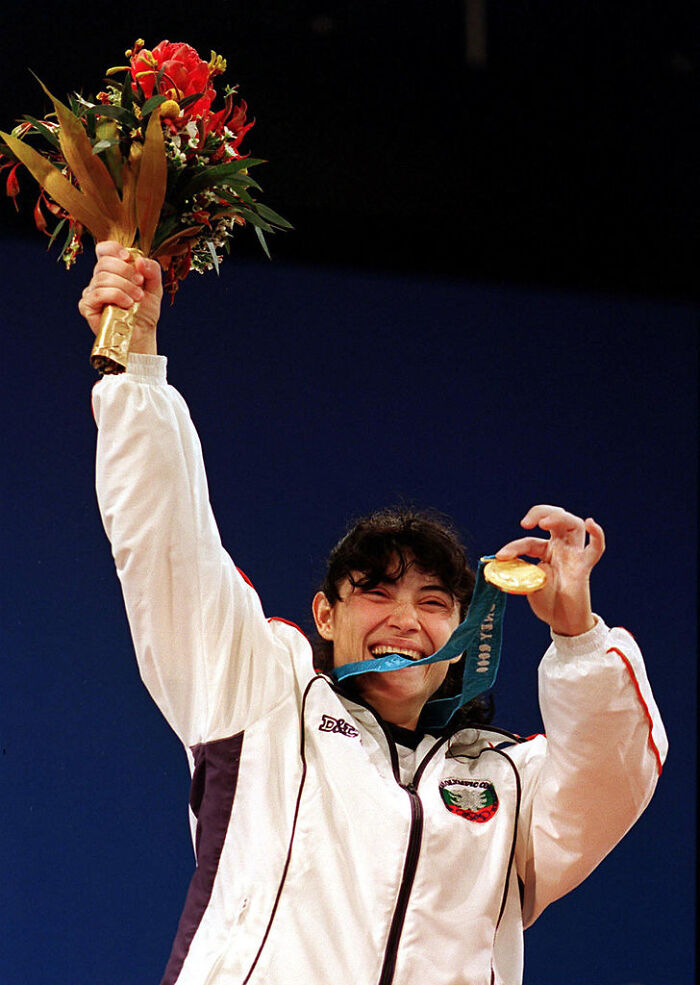
Load More Replies...Izabela Dragneva is a retired Bulgarian weightlifter who also competed in the 2000 Summer Olympics. She won the gold medal, making her the first woman in Olympic history to win a weightlifting competition. But after she and other members of the Bulgarian weightlifting team failed their drug tests, the entire team was disqualified and suspended from competing for a year.

Before the fall of the Berlin Wall Eastern European athlete were fed steroids like sweeties. A lot of medals won during that era are definitely suspect. I recall watching Bulgarian women compete who’d had so many steroids, their voices had broken and they were developing a five o’clock shadow. Again - what’s the point when you know it’s a lie?
In the eastern bloc, if you wanted to compete, you did what you were told. And winning medals was a way to a better life under a repressive regime, for you and your family.
Load More Replies...
It states that she failed the test as well as other members of the team.
Load More Replies...The 2014 Olympic games took place in Sochi, Russia. President Vladimir Putin took the games as an opportunity to show the strength of his athletes on the world stage. Some of those athletes aimed for a little more help in their events.
The Russian bobsled team dominated the events, winning both the two and four-man events. Both athletes in the two-man, Alexandr Zubkov and Alexey Voyevoda failed their tests. The two offenders were also on the four-man team.
This surprises me with Putin. He always comes across so honest and trustworthy. I'm not mad, I'm just disappointed.
This made me laugh so hard I nearly choked on my coffee.
Load More Replies... 
The cost of the Sochi Winter Games came in at around $51m. Which would have paid for every Winter Games from 1924 to 2010. They were also more expensive than the Summer Games of 2000 to 2012 combined.
Cyclist Geschke, who is fully vaccinated and displayed no symptoms, criticized the “basic” food provided by the organizers of the Olympics for vegans.
However, Italian rower Bruno Rosetti, who tested positive for Covid-19, actually managed to win a bronze medal even though he missed the final race. This is because of a change in rules that now mean an athlete can still win a medal if they take part in the preliminaries but not the final.
Russia’s mixed curling team took home the bronze medal during the most recent Winter Olympics which took place in Pyeongchang, South Korea. The male member of the team, Alexander Krushelnitskiy tested positive for the drug meldonium. He was stripped of the medal in February of 2018.

Kinda fascinating one can deem doping for curling necessary, right?
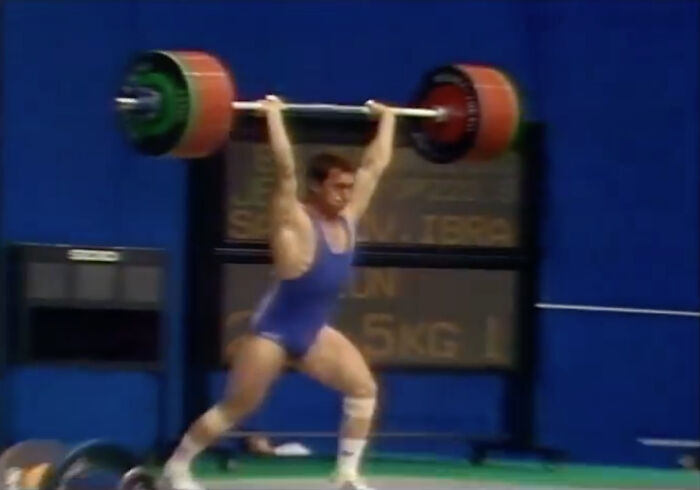
Load More Replies...Ibragim Samadov is a former Chechen weightlifter who represented the Soviet Union in the 1992 Barcelona Summer Olympics. The gold medal match was so close that they needed two tiebreakers, but both left Samadov in third place with a bronze. At the ceremony, he dropped the medal onto the podium and left, resulting in him being disqualified from competing and receiving lifetime bans from the Olympics and the International Weightlifting Federation.
The thread is on reasons they lost medals not methods of cheating
Load More Replies...
Wow...In most of the other posts in this thread, if they get caught doping, they lose the medals and get a banned a year. This guy is a bad sport and refuses the medal ( Im guessing because he felt he should have placed higher) and gets a lifetime ban...Sounds like the judges getting butthurt is worse than doping up...
A tiebreaker for gold and he ends up getting bronze? I’d be annoyed too, but having a tantrum is taking it too far
The Soviet Union didn't exist in 1992. They competed as the Commonwealth of Independent States, or the CIS. With the exception of the Baltic countries and the Ukraine.
I don't get how it was a tie but he got the bronze and not the silver? An explanation would be nice

There were three competitors, all lifted the same weight so they did two tie-breakers and Samadov lost both, putting him in third place.
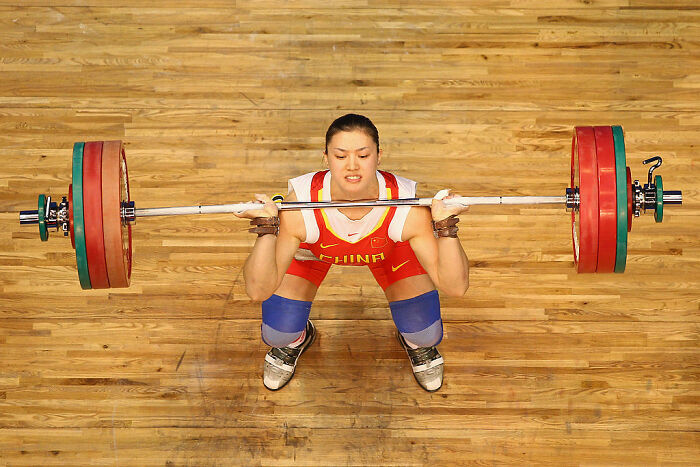
Load More Replies... Cao Lei is a 165-pound weight lifter who hails from China. She was a prominent competitor in the sport who took home the gold during the 2008 games in Beijing. After failing a drug test following the Olympics, though, she was stripped of the medal.
Lei wasn’t the only Chinese powerlifter to lose her honor. She was joined by fellow Chinese weight lifters Chen Xiexia and Liu Chunhong who also lost the golds they had won at their home country games.

I feel for the athletes, I don't think they've got a real choice. And it must suck that your coach thinks your undoubtedly hard work only isn't enough.
Drugs drugs oh look a horse took drugs. Drugs drugs oh somebody too young. Drugs drugs yeah I’m not gonna bother finishing reading this crap.
Covid regulations in Tokyo mean that athletes can’t do whatever they want. For instance, judo silver medallists from Georgia, Vazha Margvelashvili and Lasha Shavdatuashvili, were thrown out of the Tokyo Olympics because they went sightseeing.
Their spokesperson said that “no one stopped them at the exit, so they thought that they could go outside.” They told AFP: “They wanted just to have a bit of open air, to relax after a tough day of competition, after a tough lockdown period.”
Let us know what you think of these situations from the current and previous Olympic Games, dear Pandas. Which reasons do you think make it alright for an athlete to lose their medal? Which ones do you think are beyond ridiculous and which ones sound completely fair? Let us know in the comments.
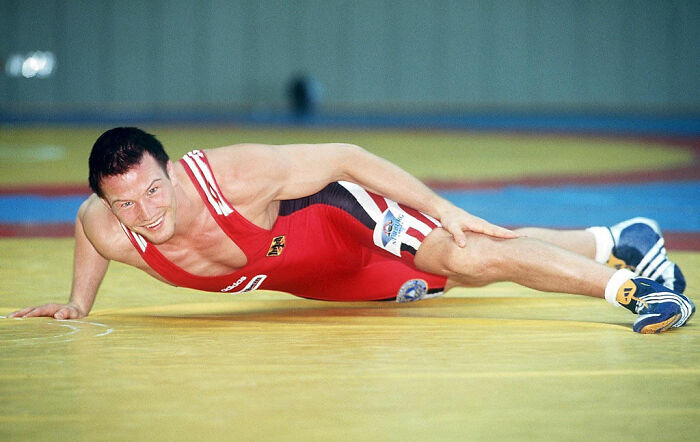
By the time German wrestler Alexander Leipold competed in the 2000 Olympics, he was an experienced veteran in the sport. The 2000 games were his 4th time competing and he had won the German championship 11 times.
Leipold had the tournament of his life in 2000 and swept his matches. Following his gold medal victory, though, the results of his drug test came back positive. Due to the mishandling of his urine sample, Leipold was only banned from international competition for one year.

He gave a 50 ml sample, got a receipt for that and the laboratory stated that they used a 85ml sample. He's been a federal wrestling coach until 2015.
Load More Replies...
Someone tell me why every other olympic year mentioned has where next to it except the 200? I know where but why is it not mentioned?
This article would have been more interesting without so many "they failed their drug test" stories
But that's the main reason they loose their medals.
Load More Replies... 
Ok, I gotta say, if they got caught with alcohol or THC in their system, they should get bonus points instead of being banned. Y'all think about how hard it is to walk straight after drinkin and smokin, and these folks are WINNING MEDALS AT THE OLYMPICS!! How bada$$ are these jokers winning medals while messed up....
So when the Olympic committee strips a medal, do they redistribute medals among the athletes who placed lower? Like if they strip a gold, does the silver medalist move up to the gold? Or is the silver ranking set forever?
Then there are the subtle "bans" where superior athletes are either not allowed to do a difficult skill (Surya Bonaly's backflip), or are given lower starting scores to "discourage" high difficulty skills! (Biles's Yurchenko double pike and other moves.) The freestyle dressage with "rave horse", that rider creates amazing routines to modern music, but the judges prefer classical music, so don't score the modern music routines very highly. It's all incredibly biased.

These coaches are completely corrupt, they are not your friends. There is a lot of elitist politics in professional athleticism. These "drug tests" they keep failing include harmless substances that change lists every year, no one can keep up. Also how do you disqualify an athlete just cuz they reject their medal?
This article would have been more interesting without so many "they failed their drug test" stories
But that's the main reason they loose their medals.
Load More Replies... Ok, I gotta say, if they got caught with alcohol or THC in their system, they should get bonus points instead of being banned. Y'all think about how hard it is to walk straight after drinkin and smokin, and these folks are WINNING MEDALS AT THE OLYMPICS!! How bada$$ are these jokers winning medals while messed up....
So when the Olympic committee strips a medal, do they redistribute medals among the athletes who placed lower? Like if they strip a gold, does the silver medalist move up to the gold? Or is the silver ranking set forever?
Then there are the subtle "bans" where superior athletes are either not allowed to do a difficult skill (Surya Bonaly's backflip), or are given lower starting scores to "discourage" high difficulty skills! (Biles's Yurchenko double pike and other moves.) The freestyle dressage with "rave horse", that rider creates amazing routines to modern music, but the judges prefer classical music, so don't score the modern music routines very highly. It's all incredibly biased.
These coaches are completely corrupt, they are not your friends. There is a lot of elitist politics in professional athleticism. These "drug tests" they keep failing include harmless substances that change lists every year, no one can keep up. Also how do you disqualify an athlete just cuz they reject their medal?






































 No fees, cancel anytime
 then open in external browser


 and click "Open in External Browser"