Get Premium
Dark mode theme is available exclusively for premium users. Learn more about the benefits of subscribing.
No fees, cancel anytime.

 Dark Mode Ad-Free Browsing Unlimited Content
 Ad-Free Browsing Unlimited Content Dark Mode
Join 1.2 million Panda readers who get the best art, memes, and fun stories every week!


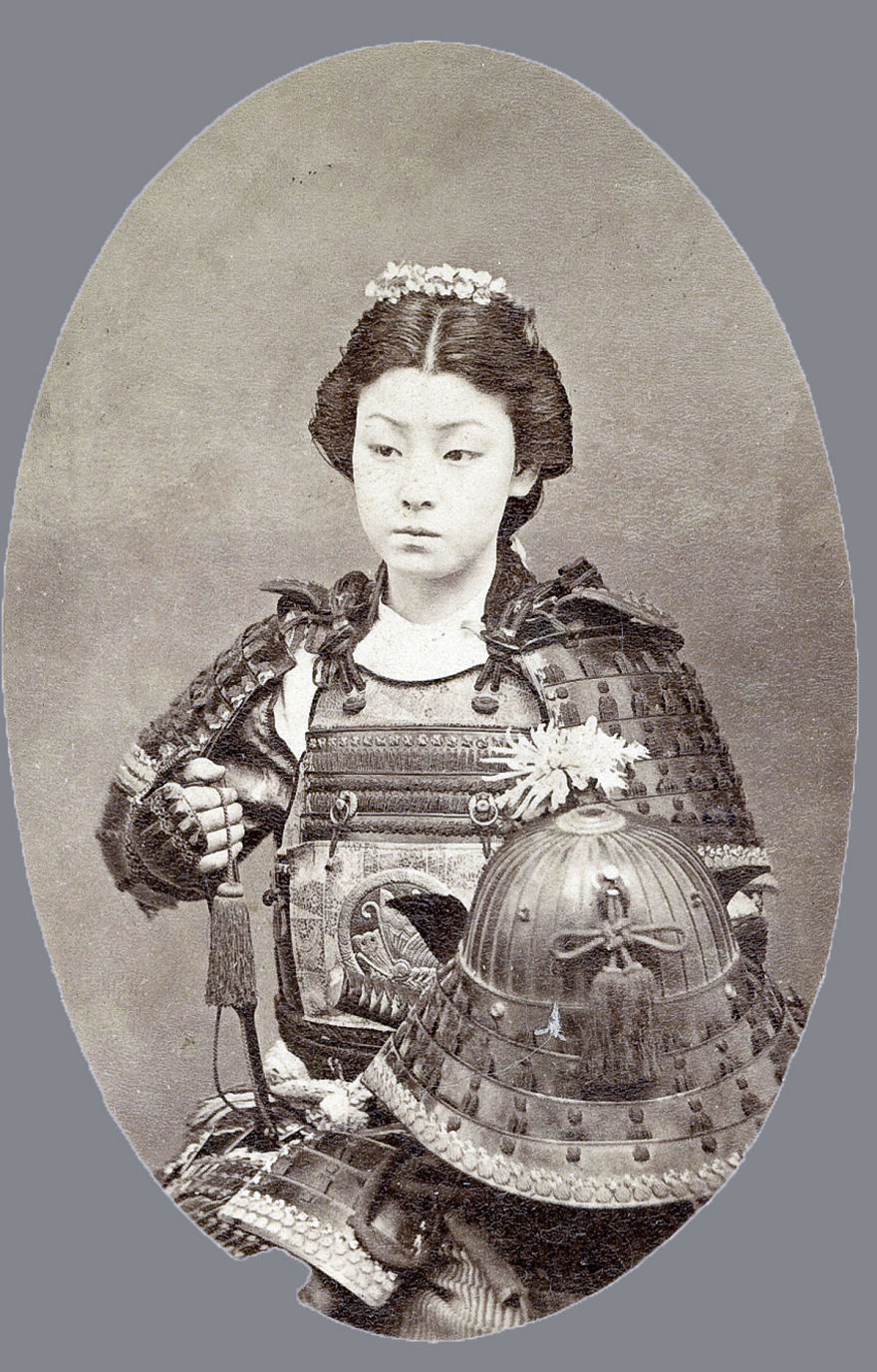
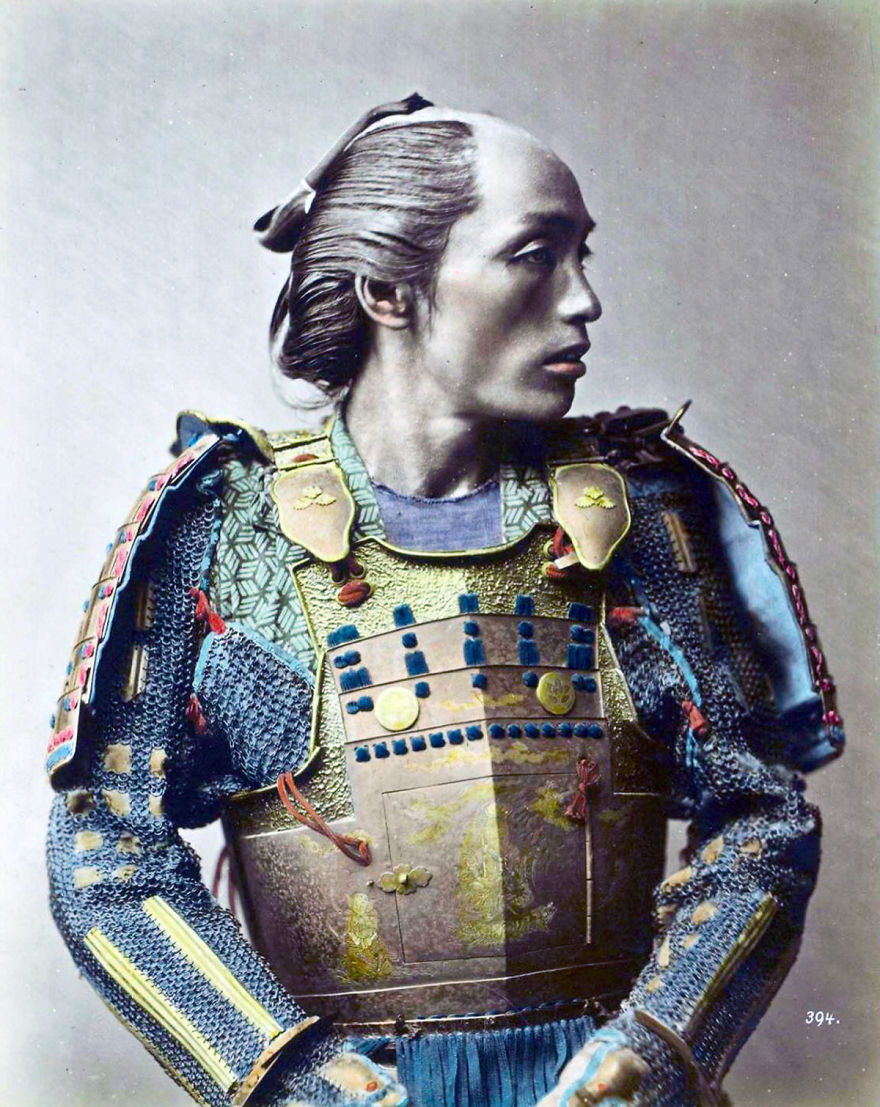
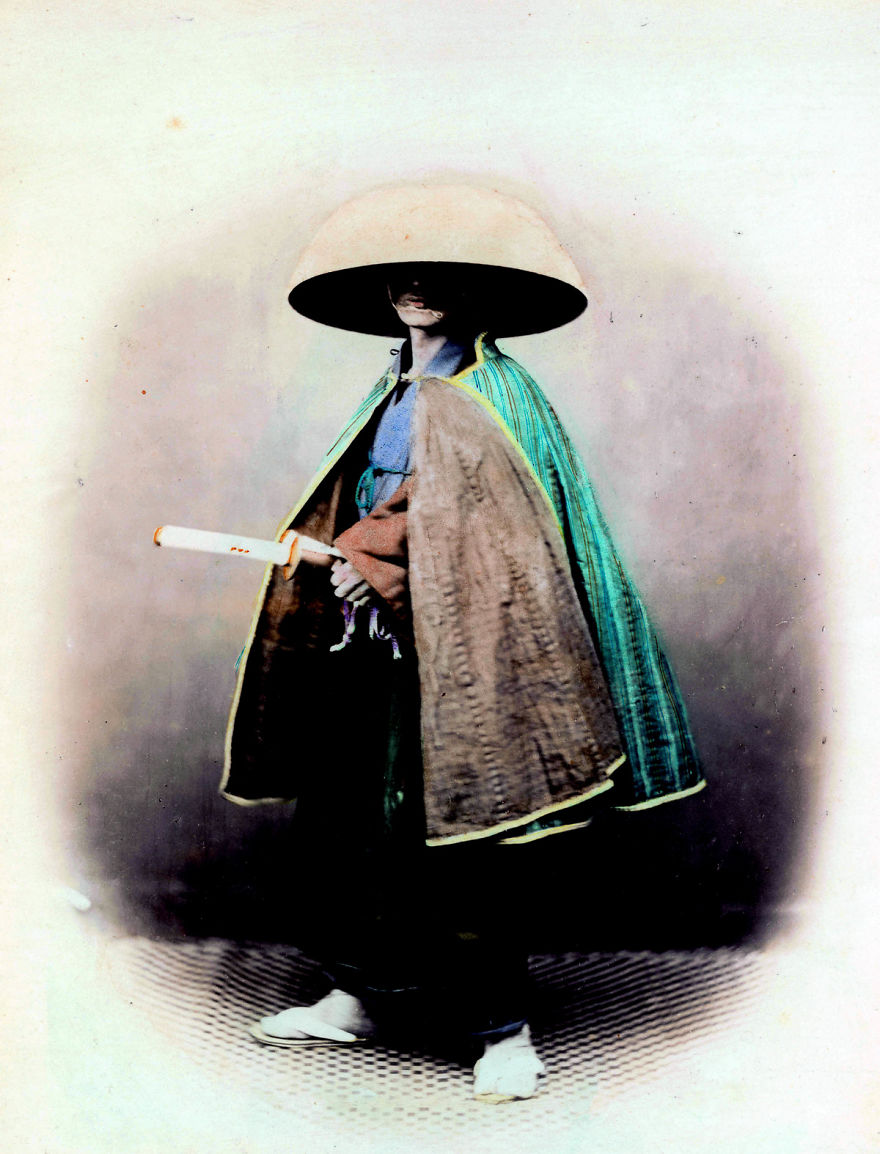
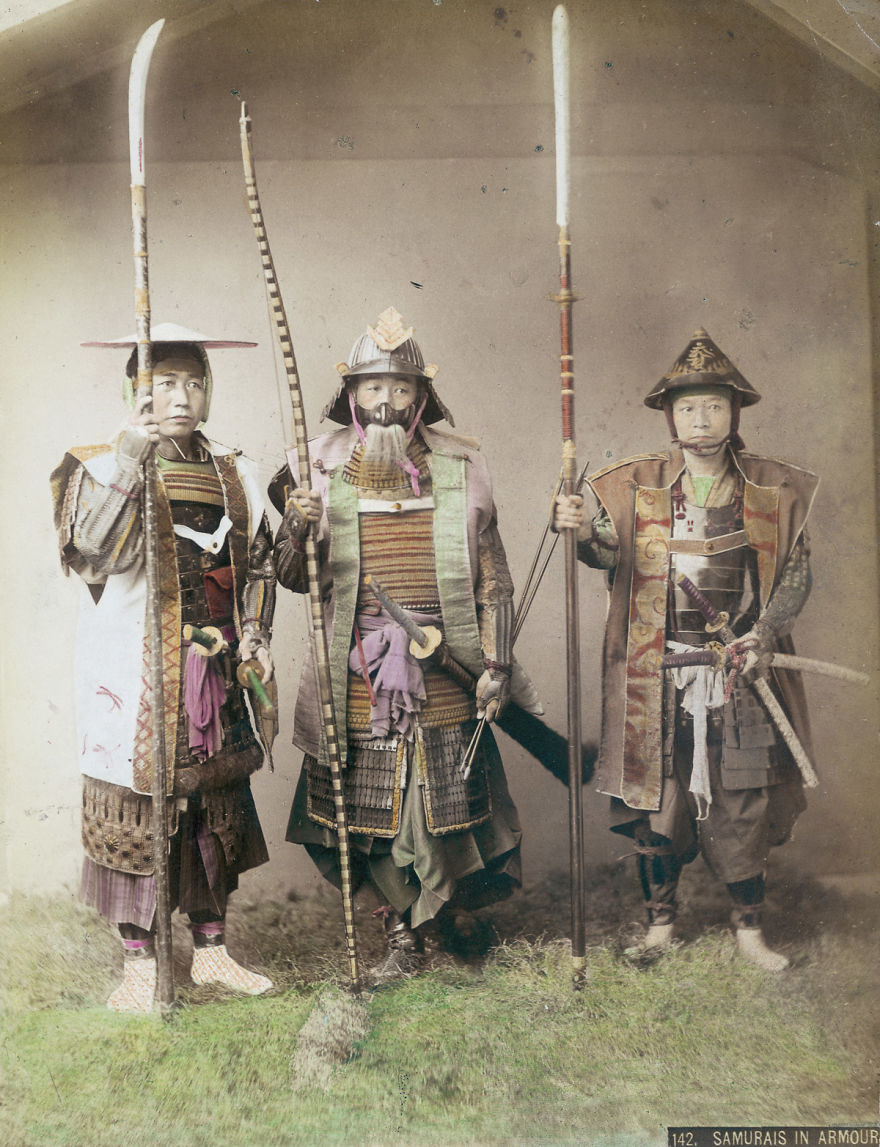
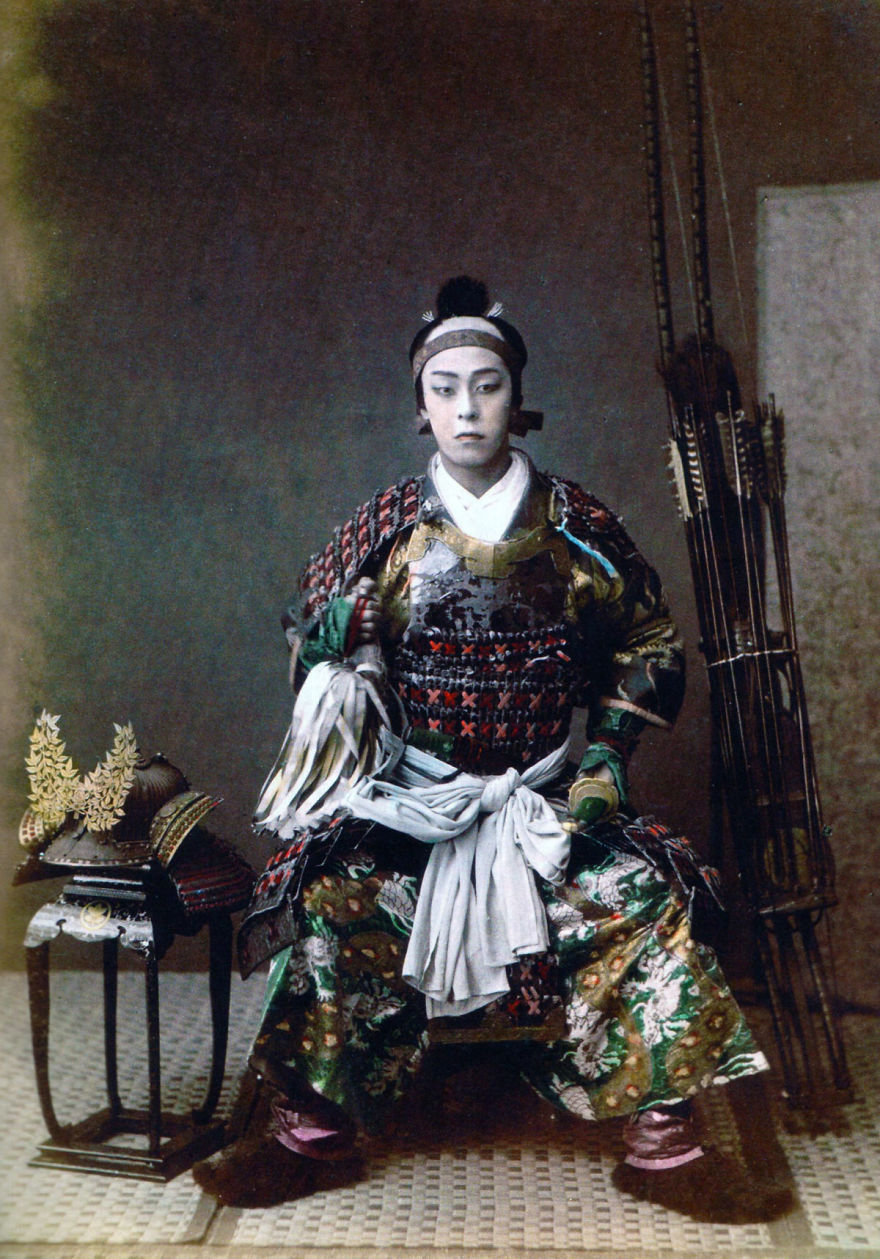
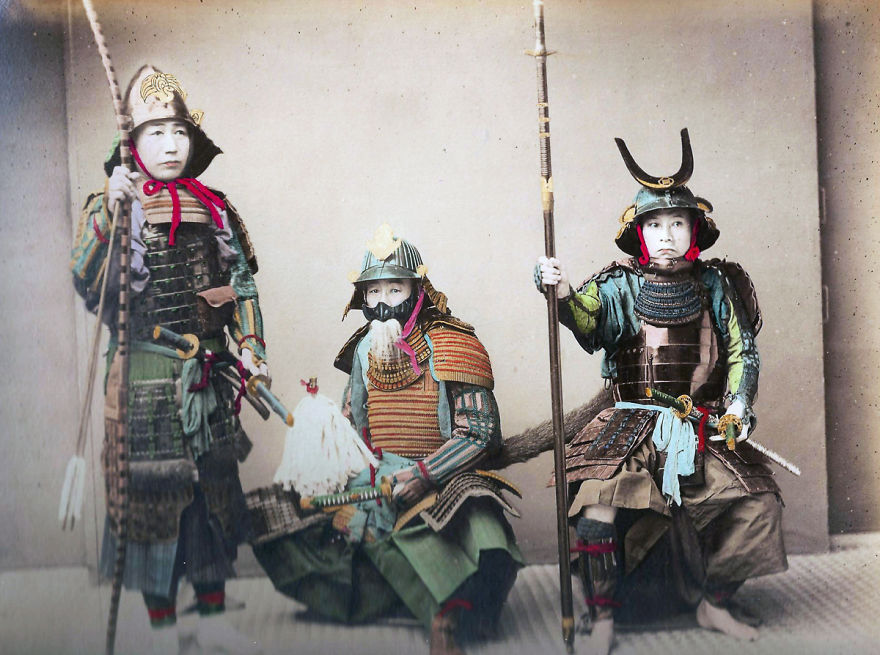
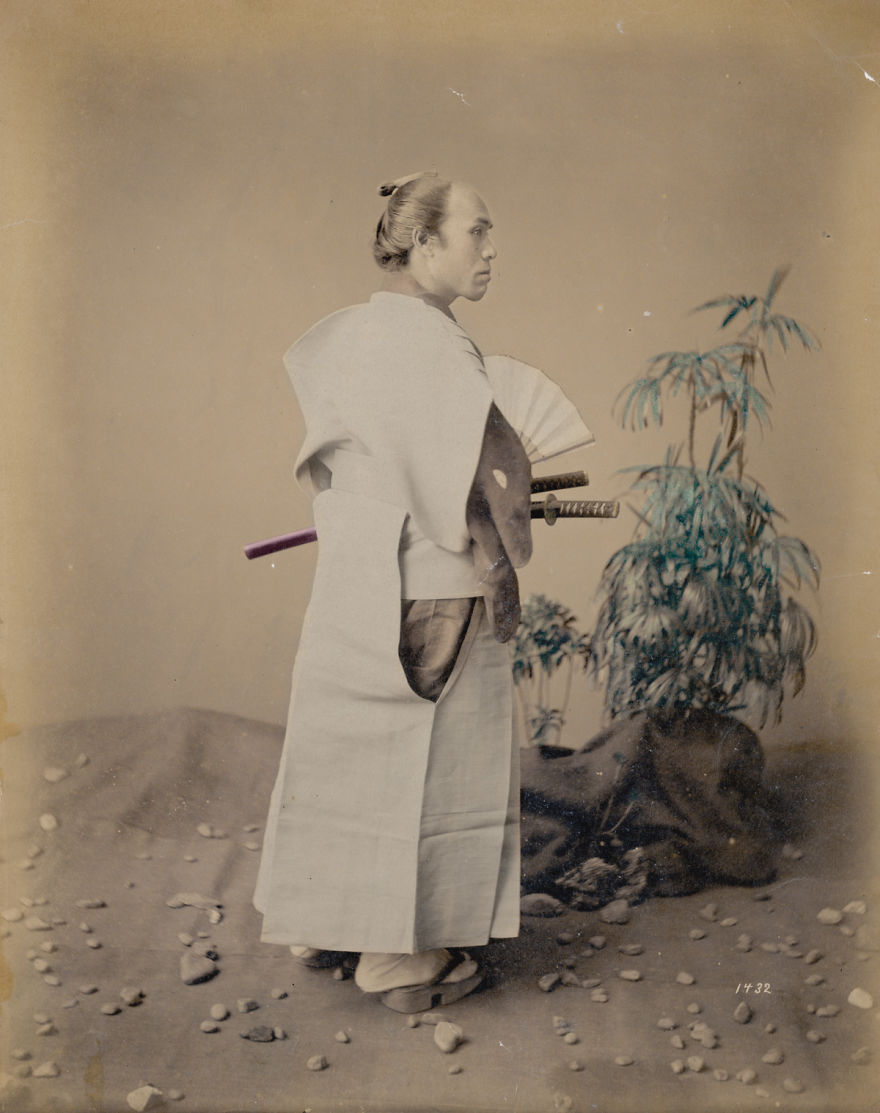
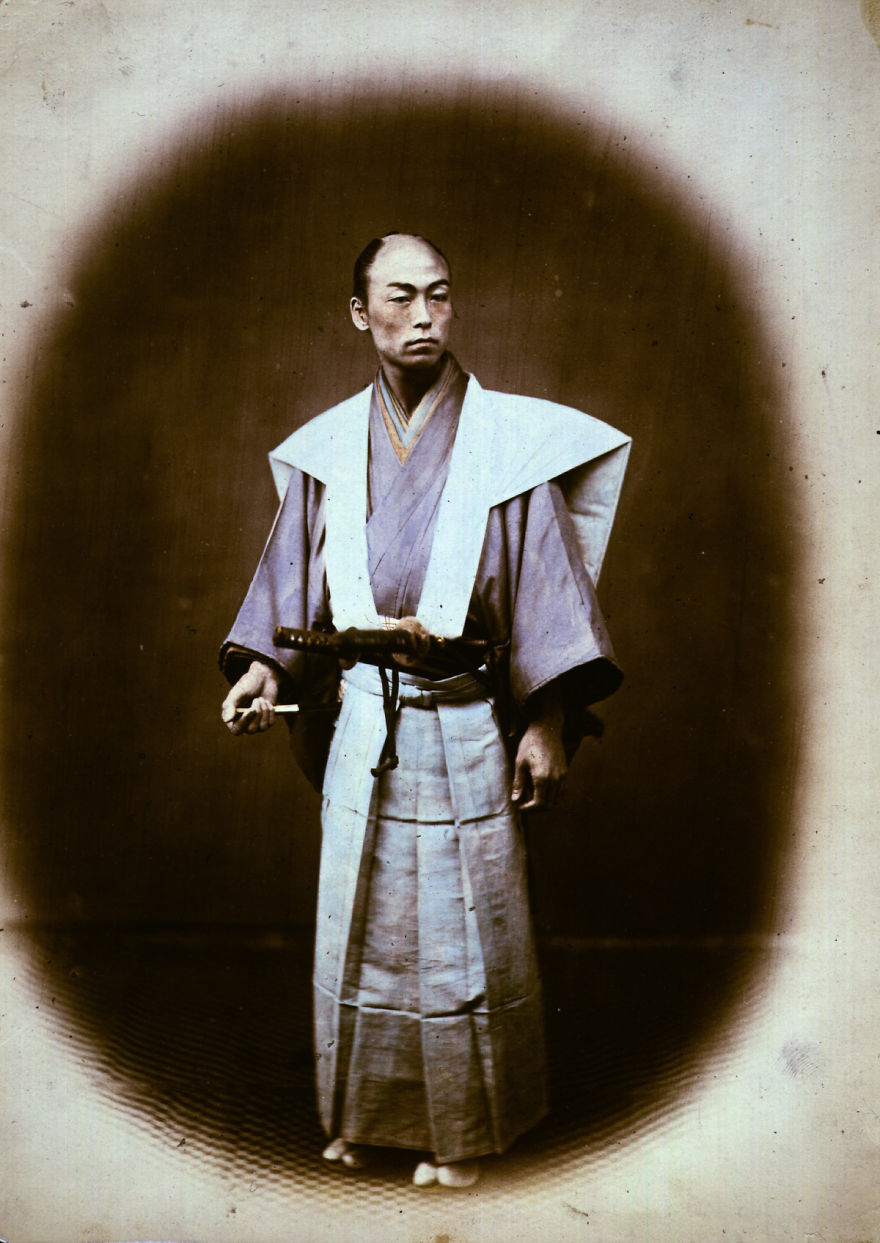
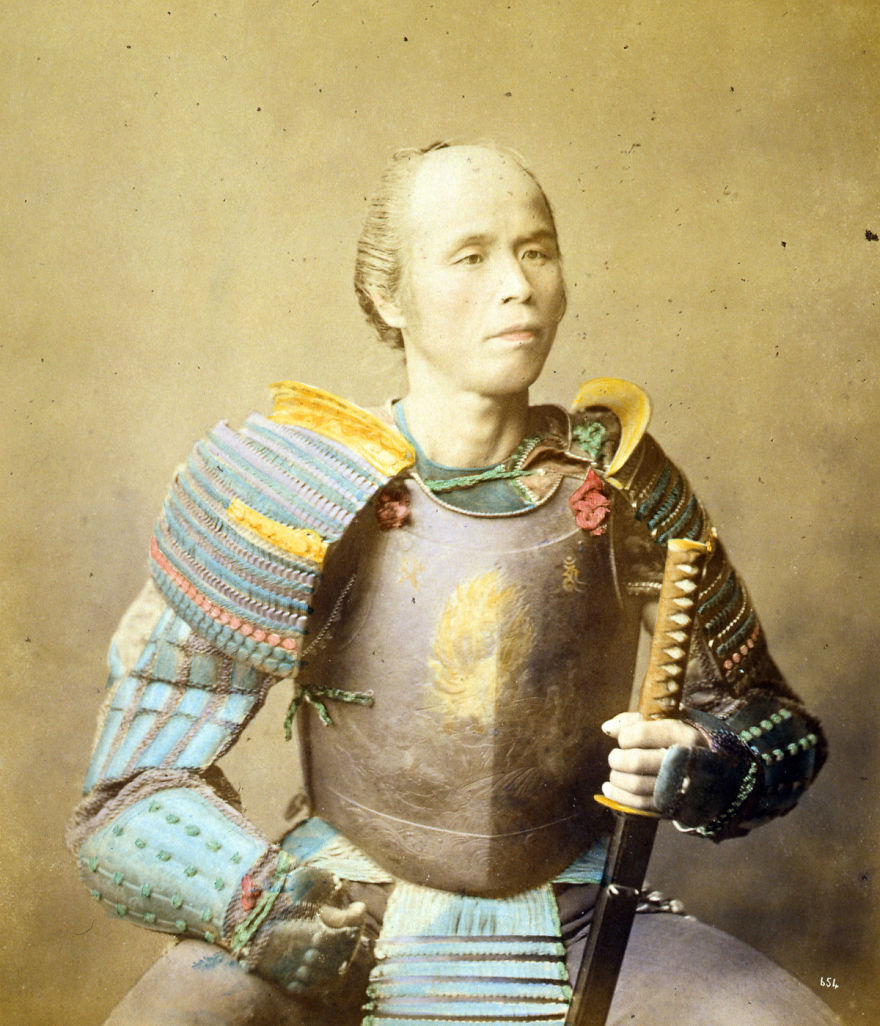
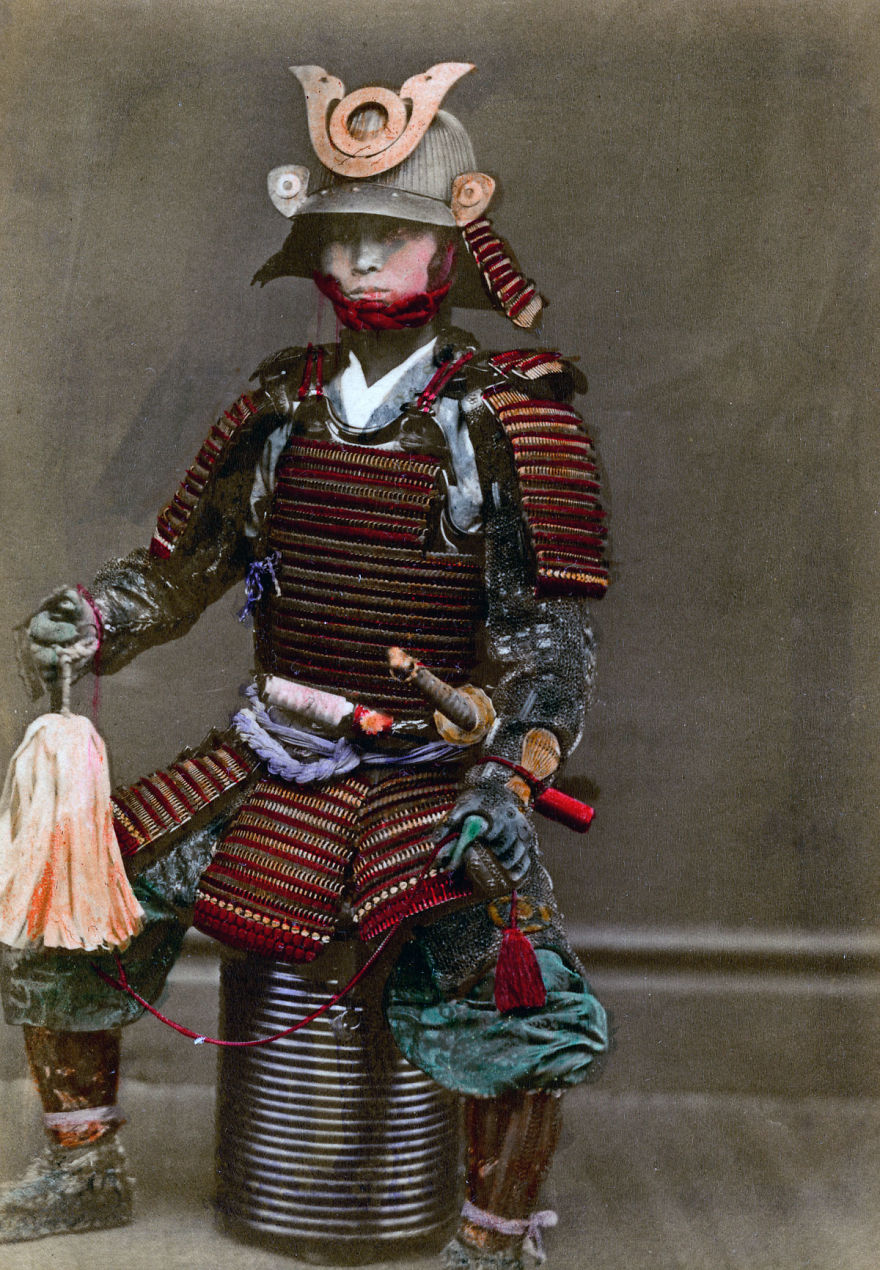
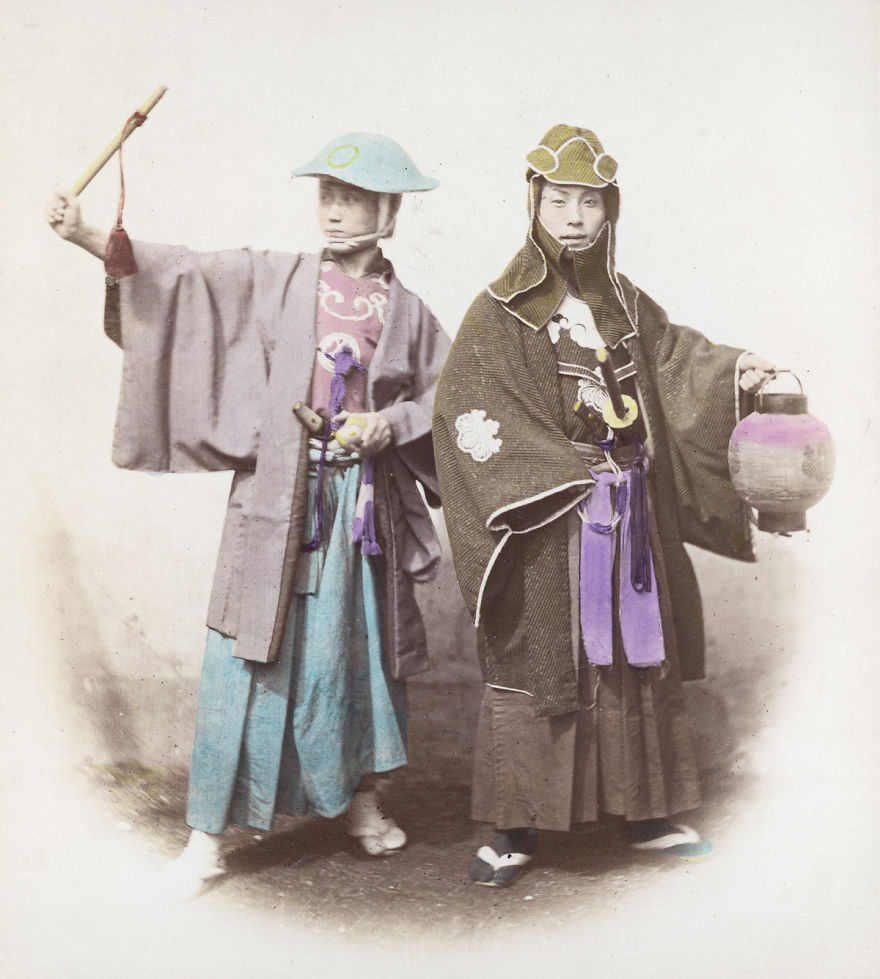
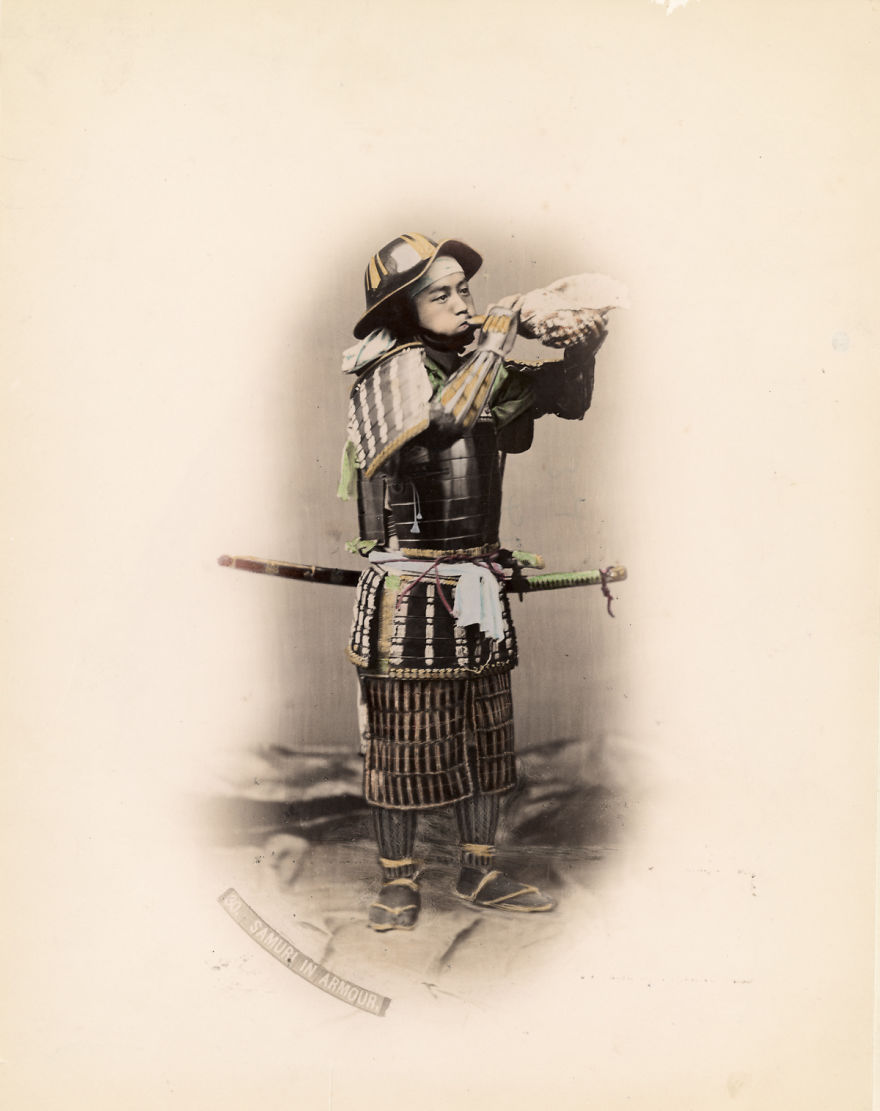
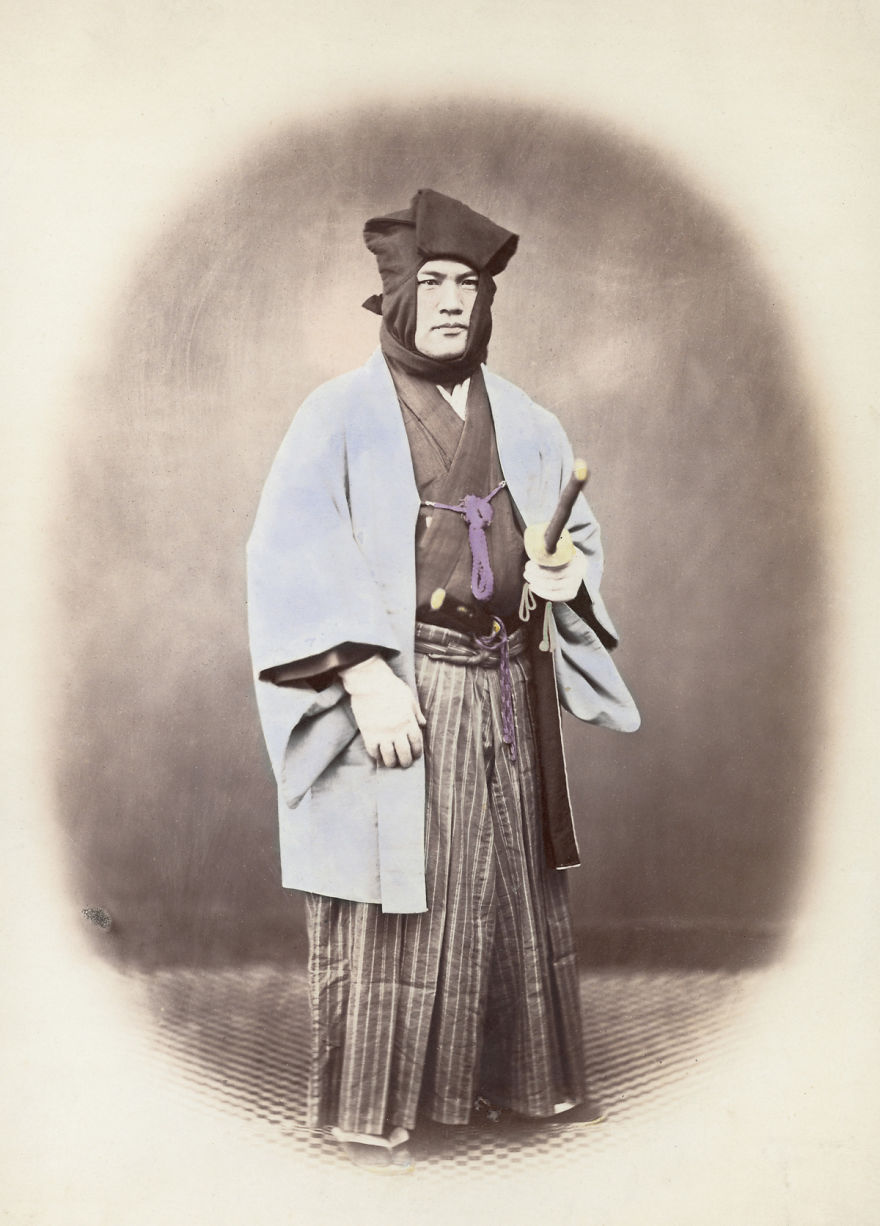
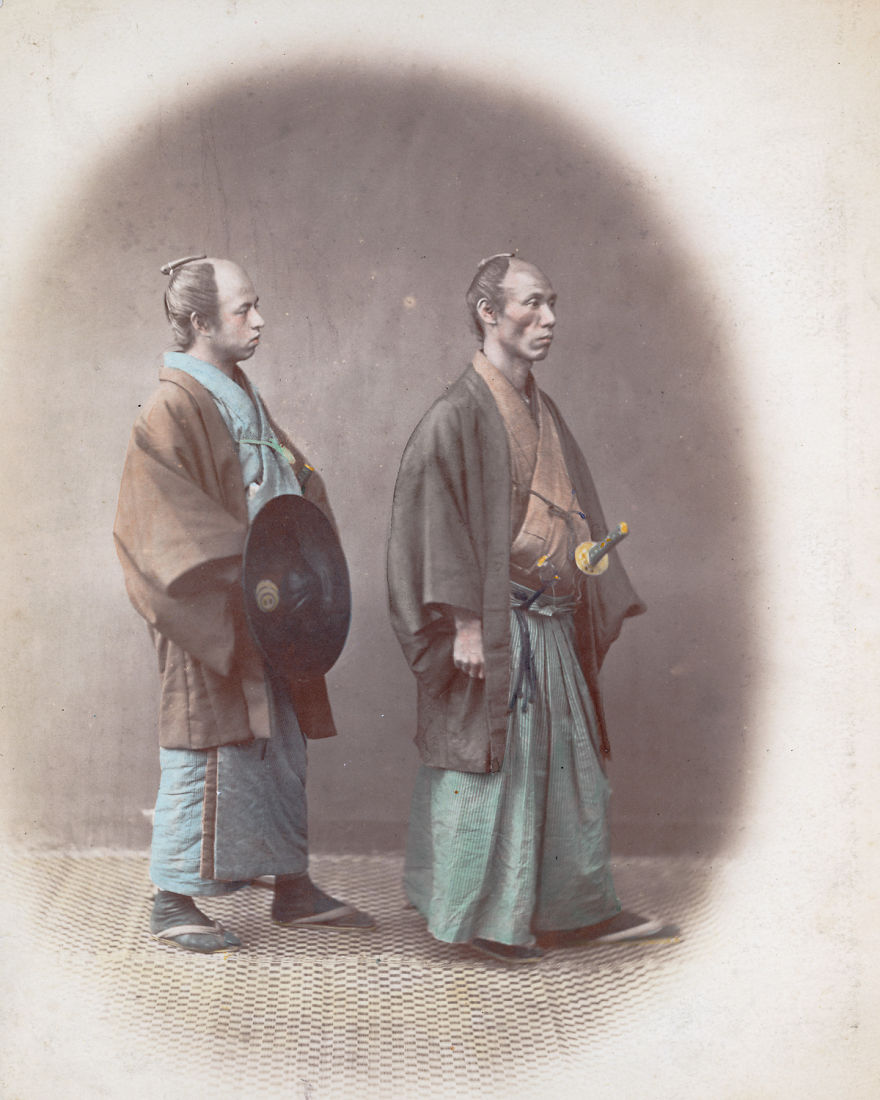
The Meiji Restoration of 1868 took power from the warlords that had been the de facto rulers of Japan and consolidated it under the Emperor Meiji. With the Restoration came many changes, including the creation of a modern, western-style, conscripted army in 1873. The famous Samurai, who despite making up only 10% of the Japanese population, and who wielded a tremendous amount of power, lost their right to be the nation's only armed force, and eventually, even their right to wear a sword in public.
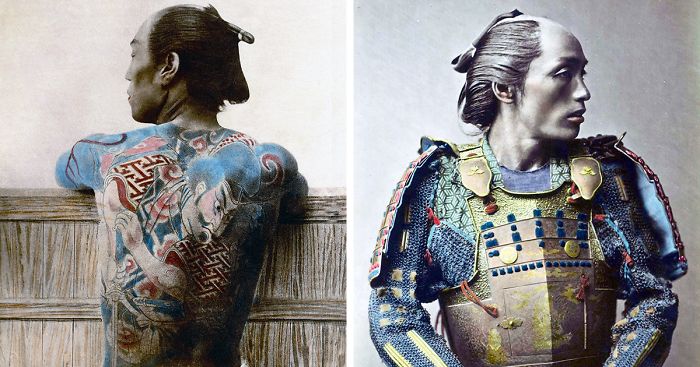
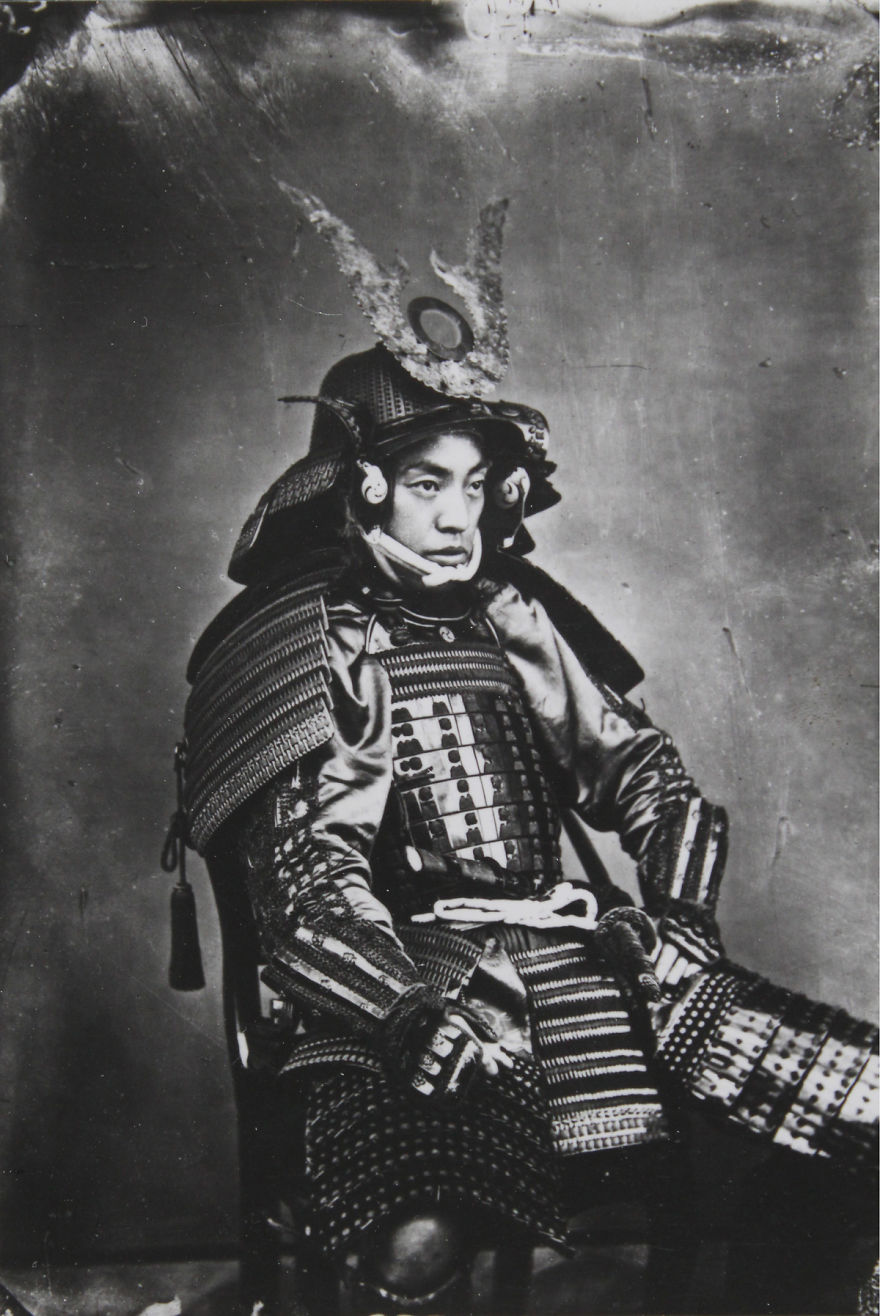
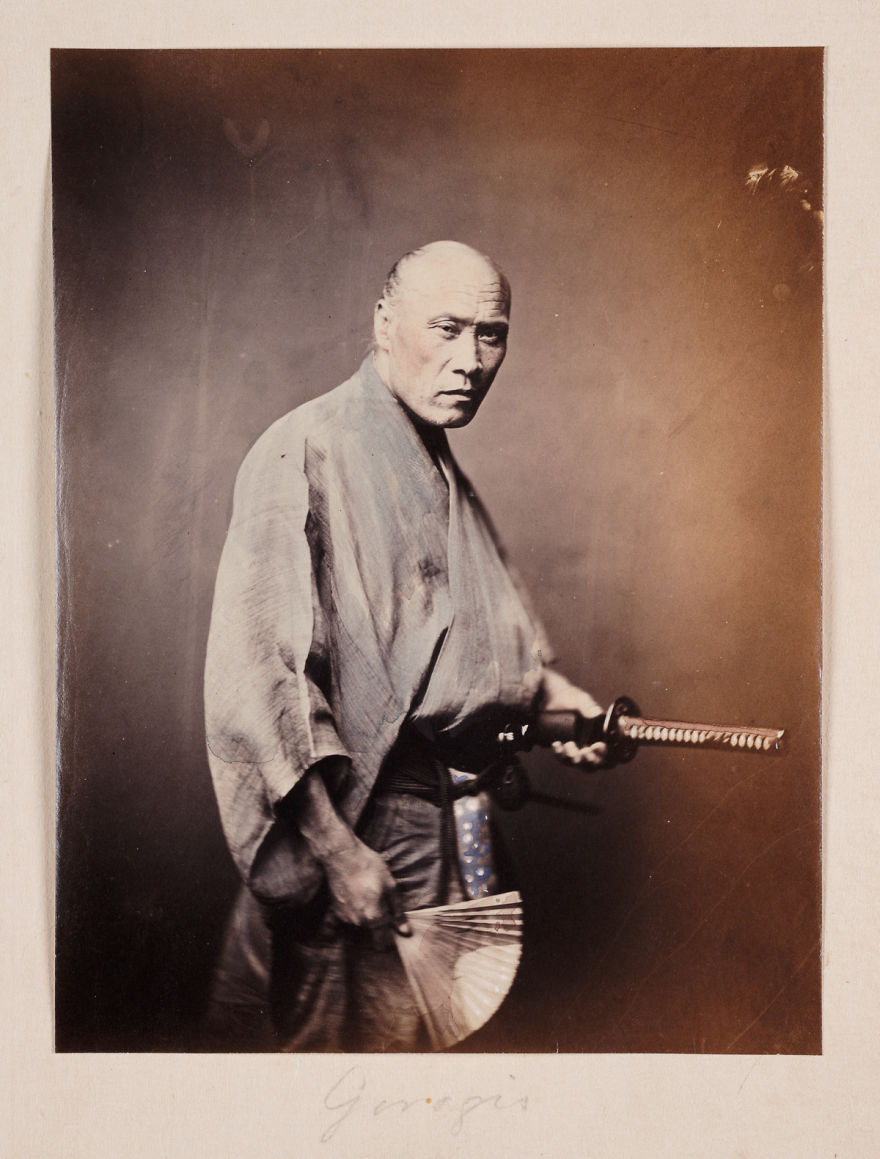
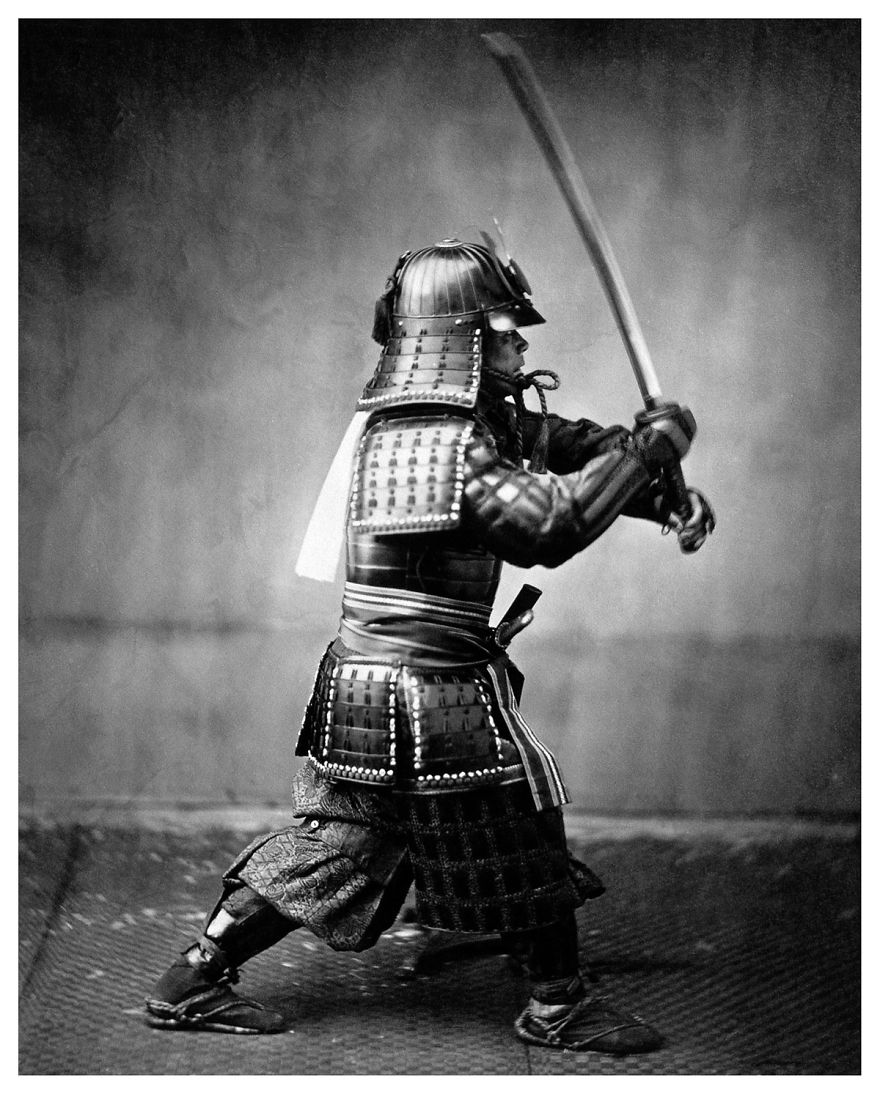
In honour of these noble warriors, Bored Panda has collected this list of coloured Samurai photographs, all taken between 1863 and 1900, in the twilight years of the Samurai's reign. As it's unlikely that any of you are Samurai, this list is closed, but you can still vote on your favourite photo!
More info: Amazon.com (h/t: demilked, fubiz)
This post may include affiliate links.

I didn't know there were samurai women. I looked it up and this is a fun tidbit that I found: With their husbands in combat almost continuously, 16th century samurai women provided for the defense of their homes and children. Their wartime roles included washing and preparing the decapitated bloody heads of the enemy, which were presented to the victorious generals. Like their samurai husbands, personal honor was paramount for samurai women. They carried small daggers and were always prepared to die to maintain their honor and family name. http://www.pbs.org/empires/japan/tokaido_6.html

Thank you for the research. Very interesting.
Load More Replies...



Well, although its true men made up vast majority of samurai....there were plenty of female ones. Tomoe Gozen is an extremely famous one. She fought in many battles and defeated high ranking samurai. She never lost/died in combat.


It is just wonderful to be able to see these ancient pictures.

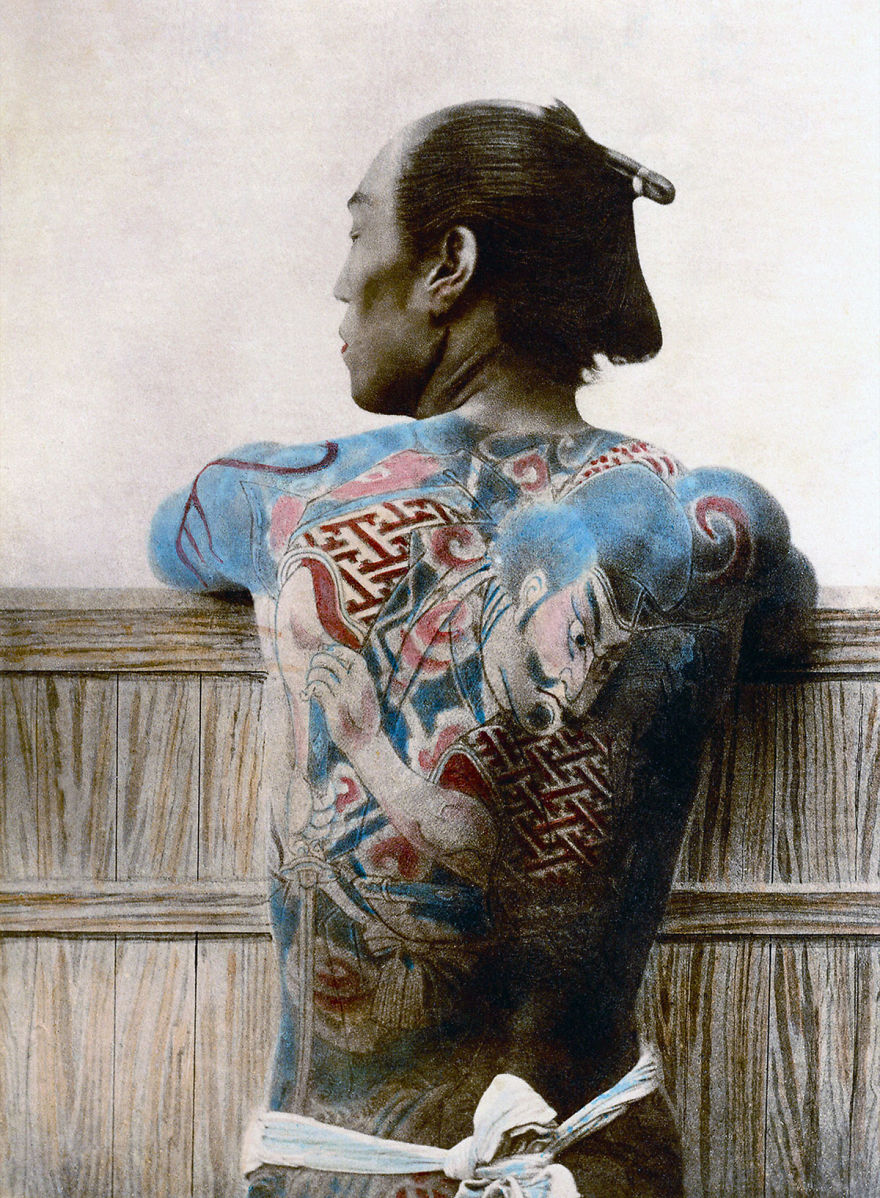
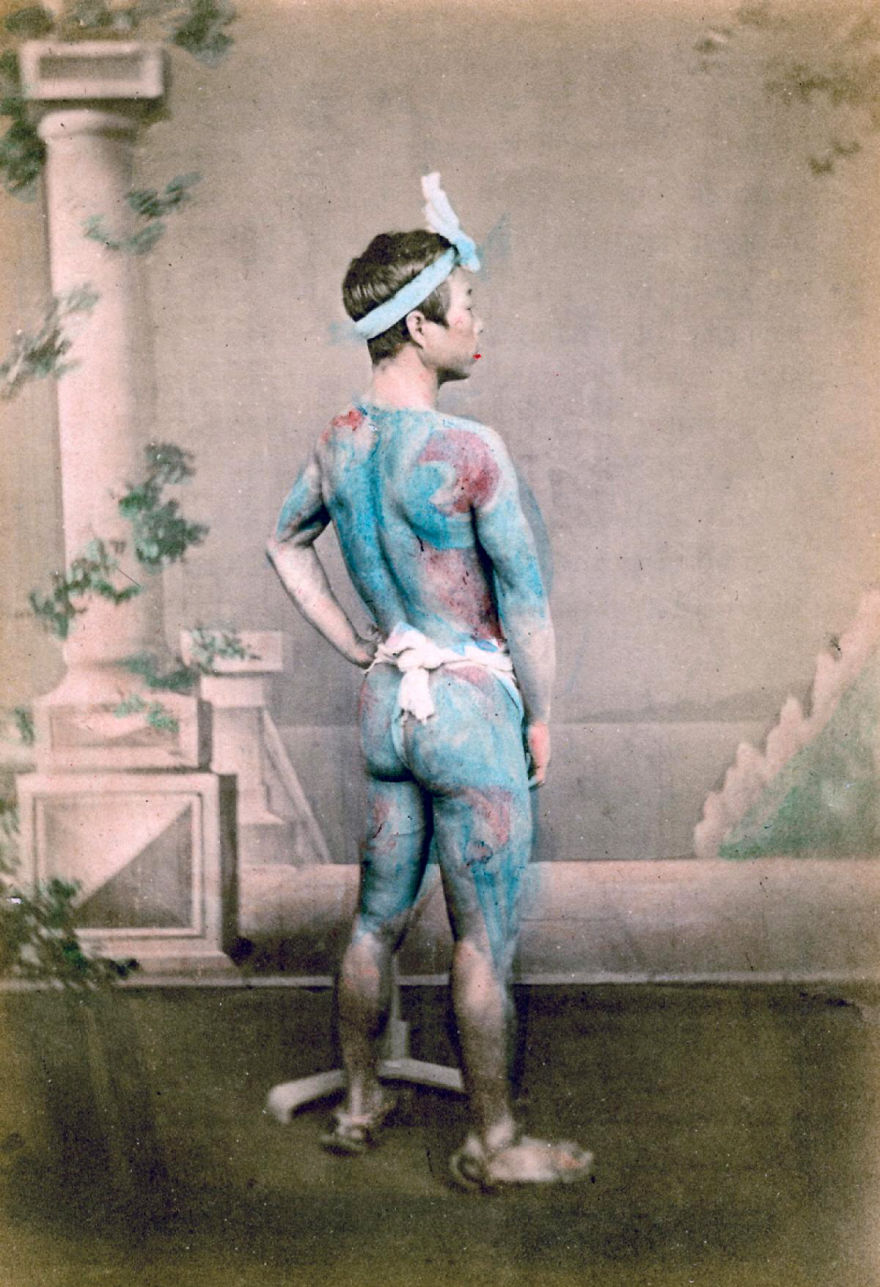
Looks like a Yakuza, with these tatoos. Maybe there's a connection between the samurai and yakuza heritage in Japan. Just a guess.

Yakuza and other organizations that popped up attempted to use much of already estabilished bushido ways. Irezumi has been around for some historians say at least 10k BC. Tattoos were often signs of dedication and prayers of protection. You'd get a God on you in hopes they would give you ultimate strength in battle with no fear. Many Lords in Japan are rumored to have tattooed or branded their guard. A sign of ultimate dedication and loyalty. It wasnt until the Kofun period that it got a bad taste. During that period they began tattooing criminals to publicly shame them for their crimes and so people could profile them to avoid becoming their next victim. Much of the world did this practice at one point or another. Because of that it became the stereotypical ignorance of society to assume that all tattoos were on criminals only. Many priest have been getting inked for tens of thousands of year. But if gangsters can exploit things they will. Thus they kept the concept alive using fear.
Load More Replies...

As someone who is Japanese there is no connection between Samurai and Yakuza. This picture is of Yakuza.

Could you please explain (other than your native knowledge) how we would know?
Load More Replies...
Much lower social standing - not supposed to use the samurai full sword, only a short sword

Not really too much of a connection. It might just be a yakuza member, it might be a rōnin as well. Yakuza originated from peddlers and gamblers, none of which were normal samurai. A former samurai - rōnin (as mentioned before) might become a member of either for those two groups.


Part 2: The Kabuki with it's distractions and diverse clientele provided a means for Tekiya and Bakuto to fraternize with the Samurai which would otherwise be impossible. Despite this being unacceptable in Japanese society it was a mutual business relationship. Later after the restoration the Samurai formed militant Ultranationalist organizations and the newly emerging Yakuza was involved in some of the business end of it or something like that. You may need to fact check this though.
Read both part 1 and 2 and it sounds very interesting and pretty much a good answer to what I was curious about. As you said, you were not certain about it, but it definitely deserves a check up.
Load More Replies... 
He looks ill..face is a tad emaciated. Otherwise a wonderful photo.

They just shadowed his face too hard - keep in mind these were "colorised" after the fact and a certain amount of artistic license was used.
Load More Replies... 






How does he move in all that? Correct me if i'm wrong but arent these guys supposed to be.... idk swift?😅





"Beware of an old man in a profession where men usually die young."


To see what this man has seen! One of the last of the Samurai. Photo 1863



I've learned that they would not draw the sword from holster for jokes or in this case, a photo - but for real fight and kill

A Samurai never drew his sword unless it was to sharpen or fight. A sword needed to taste blood when it was drawn, so even when they sharpened it, they would let it taste blood.
Load More Replies...

Don't remember the details but I once saw a picture of one of these suits made of jade. All little squares, individually fastened together. Maybe it was just ceremonial?
Load More Replies... 
Also a bell or gong! Imagine when his opponents banged this helmet....
Load More Replies...
The three storms, Big Trouble in Little China three-furi...d56b20.jpg 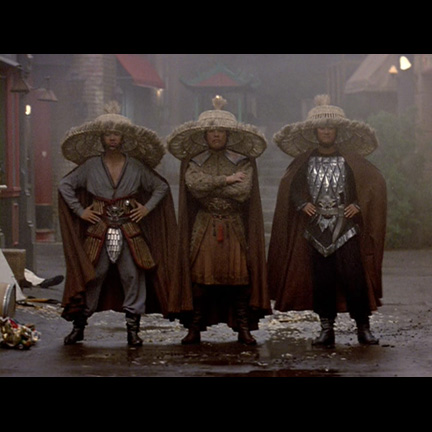

I thought the exact same thing the moment I saw this photo. Showing our age...
Load More Replies... I'm sure there are people, both men and women, nowadays, with as high a sense of honor. We just don't know who they are. Less visible.
Load More Replies...
What's most interesting is that few of these warriors have any protection on their feet!

Imagining how fast a samurai moved without those heavy attire. Must be awesomely fast

thats just the catch, those attires are rather light and designed in a way to deflect an attack. If the hakama is let loose, you just can't see the leg, and so can't count on the knowledge of which leg he is putting weight on for an attack therefore from wich direction will he attack. :)
Load More Replies... 
These look more like wax figures from a museum, are you sure this is really an old photo depicting real people?

They look real to me..... If it's the color throwing you off they had to hand paint that in after the photograph was developed.... So a lot of times after they painted the skin they looked doll-like.
Load More Replies...



He looks like he has theatrical makeup on. Is this one of a Kabuki actor?
His attire is too colourful and full of the pattern for wedding. Maybe this was taken on his wedding day and for that occasion he may have painted his face white for different ceremony reasons.
Load More Replies...
These are tin types meaning that the color was painted on after photograph was processed - they didn't have colored film back in those days.

Yep. I have seen this same photograph as black'n white picture few years ago.
Load More Replies... These are ancient pictures and we are privileged to be able to view them!!! Respect!!!

That arrow is really heavy and hard to pull. I once try to hold and pull it. Those samurai were very strong and high discipline people just to use that armor

The long bow was hard to pull. I've tried one, so yes they were very strong athletes. In England the long bow was the terror weapon against the Normans and other French. Recurve bows didn't come till years later.
Load More Replies... 
Same guys as #8, just another pose. Remember: It isn't a color photograph, the color was added to the tin type after it was developed so essentially each one is an original painting on a black and white tin type. That is why they look different.
Load More Replies... Wood pattens to keep you clear of the dirt. Would be kicked of in action.
Load More Replies... 
those getas are really comfortable, I wear them on japanese events all day. :D
Load More Replies...
Is this a fake photo or is it badly photosohopped? Look at the ground (seems like it is a tissue with rocks over it) and the plant looks plastic. I'm just wondering not trying to accuse anyone.
It's a studio photograph. The ground and background were created in the studio.
Load More Replies...


I don't think so. The chins are different, as are the eye sockets. This one also has an Adam's apple.
Load More Replies... 
I doubt you could do any better. In fact, i challenge you to colorize a b&w photo and come up with results that don't look sad, sloppy and amateur next to this.
Load More Replies... I wish they did not attempt to colour the photos! Leaving it in its vintage grey would have been good enough.

The color was done contemporary to the time period, which was on a tintype because they did not have color film. It was not done in the present day.

The Japanese hand colourists were revered as some of the finest artists in the land as they could bring to life a black and white photograph. Sadly, when colour film came along they were out of a job almost overnight. I am trying to revitalise the art which can be seen on my FB page Paul Archer.

The apparent stoicism. The picture is brilliant. It's fascinating to think that it took a split second to unleash a set of finest skills aimed at killing a person.

very good for coloring done about 150 years ago. (before color film). and surviving this long.

I don't think it's a horrible colouring job... It's authentic photo colouring from the time as those who are familiar with early photo colouring techniques will know... I think it adds a certain undefineable charm!

Your comments can be knowledgeable without being critical.
Load More Replies...
I have enjoyed these pictures and am thankful to have been able to view them they were an awesome people with much honour - I am sorry that so many had nothing but negative foolish responses to these ancient pictures. Thank You for sharing them.

Thank you for your intelligent comment. I agree with you whole heartedly. I too appreciate these wonderful treasures from the past.
Load More Replies...
Jaclinsullivan I quite agree with your comment these photos are an amazing link to the past I feel honoured to have seen them I agree some very negative and immature comments on here .

Wonderful albumen prints and most likely Yokohama studio portraits from the 1880s and 1890s intended for Western tourists of the time. Photographs prior to the Meiji Restoration are fairly rare as photography had only recently been introduced to Japan. You can check out a few more at www.photosofjapan.com and yes the tattoos are real and hand-coloured to bring them to life :)

tis pictures are about 150 years old. i wonder what people will about ours, and us in 200 years?

These pictures don't just reveal the gorgeous regalia and nobile air of their subjects. They also real the fact that the Japanese have very beautiful eyes that are unique to their people. The fact that so many surgically alter their eyelids to appear more Western these days is heartbreaking. Thanks for sharing these awesome pictures.



You are a class idiot and, not the least bit funny.
Load More Replies...
This type of colorization was typical for the period. Keep in mind how recent full color photography is...even when I was growing up in the 70's we still had a b&w camera (and TV) just like all of our neighbors, and that's about 50-80 yrs after these pictures were taken!

Lol did you not read into this at all? These are not the original images. These photos were colored by hand. The original images are black & white.
Load More Replies... i think the coloring paint is a kind of water color, but i'm not 100% sure. and it looks sloppy because, hey, it's about 150years old and not done by experts.
might have been a rush job by the photographer, or the subject did it to match the color of his tattoos... or an assistant. its 150 years ago, who knows.
Load More Replies... that awful coloring job has completely obscured his amazing tattoos!!! should have just LEFT IT UNCOLORED if you can't do the photo justice!!! SHAME!

The tattoos are fake if you take a look at the clothes you see that the coloring runs true and there are no outlines
nope, just bad lighting of the day, and the wash coloring added to it afterwards hides some of the details of the tattoo.
Load More Replies...
I expect by now you perhaps understand that the colouring is authentic and a result of somewhat primitive colouring techniques of the time... You and quite a few others are obviously not familiar with old photographs and the history of photography...
Load More Replies... 
There were no photographs in 1800 so the question is somewhat irrelevant
Load More Replies...

Perhaps a spot of research on C19th photography techniques?
Load More Replies...

They still exist (descendants of the original Iga and Kōga clans), but they nowadays give tours in their old home compounds which are loaded with traps and escape passages
Load More Replies...
Beautiful and interesting to look at it. Still, these photos were staged for a Western audience, and many of the details such as the tattoo were painted on after the fact (and are not in fact tattooed on the models). I think this speaks more to Western perspectives of Samurai during the early Meiji period as opposed to real samurai culture at this point. But again, I do like the aesthetic.
I disagree... I don't know why you should imagine these photographs were staged principally for a 'western audience'... And tattoos were indeed, during certain periods of samurai history, very much a part of samurai culture, and ceromonial practice.
Load More Replies...
These pictures were beautiful but Csomai Zsuzsanna's comments were the most interesting part of the article as she knows quite a lot about samurais.
sorry, though it was some kind of modern recolouring, apparently it's not.
Load More Replies...

Wonderful photos and most likely Yokohama studio portraits of the 1880s and 1890s for Western tourists at the time. Photographs prior to the Meiji Restoration are fairly rare as Japan was closed to the West prior and photography had only recently been introduced to Japan. You can view more at www.photosofjapan.com if you are interested and yes the tattoos are real, just hand-coloured to bring the albumen prints to life :) samurai2-5...084158.jpg 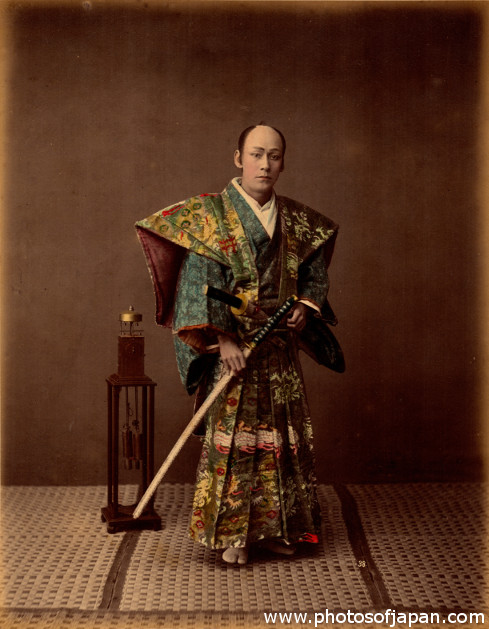
Chinese, Korean term for Japan is Wa(倭). Slightly derogatory term for Japanese in Korean is wae-nom = short bastards.
Slightly derogatory Korean term for Japanese was/is "wae nom" = short bastards.
They still exist (descendants of the original Iga and Kōga clans), but they nowadays give tours in their old home compounds which are loaded with traps and escape passages
Load More Replies... Beautiful and interesting to look at it. Still, these photos were staged for a Western audience, and many of the details such as the tattoo were painted on after the fact (and are not in fact tattooed on the models). I think this speaks more to Western perspectives of Samurai during the early Meiji period as opposed to real samurai culture at this point. But again, I do like the aesthetic.
I disagree... I don't know why you should imagine these photographs were staged principally for a 'western audience'... And tattoos were indeed, during certain periods of samurai history, very much a part of samurai culture, and ceromonial practice.
Load More Replies... These pictures were beautiful but Csomai Zsuzsanna's comments were the most interesting part of the article as she knows quite a lot about samurais.
sorry, though it was some kind of modern recolouring, apparently it's not.
Load More Replies... Wonderful photos and most likely Yokohama studio portraits of the 1880s and 1890s for Western tourists at the time. Photographs prior to the Meiji Restoration are fairly rare as Japan was closed to the West prior and photography had only recently been introduced to Japan. You can view more at www.photosofjapan.com if you are interested and yes the tattoos are real, just hand-coloured to bring the albumen prints to life :) samurai2-5...084158.jpg
Chinese, Korean term for Japan is Wa(倭). Slightly derogatory term for Japanese in Korean is wae-nom = short bastards.
Slightly derogatory Korean term for Japanese was/is "wae nom" = short bastards.




















 No fees, cancel anytime
 then open in external browser


 and click "Open in External Browser"