Get Premium
Dark mode theme is available exclusively for premium users. Learn more about the benefits of subscribing.
No fees, cancel anytime.

 Dark Mode Ad-Free Browsing Unlimited Content
 Ad-Free Browsing Unlimited Content Dark Mode
Join 1.2 million Panda readers who get the best art, memes, and fun stories every week!
44submissions
Finished

We love to emphasize human development. And for good reason, it's amazing how far we've come in the last centuries, decades, and even years. Science advances in leaps, introducing one groundbreaking invention after the other, fueling our minds with thoughts about the next big thing.
But that doesn't mean that we were clueless in the past. If we were to dig a little bit in history, it would reveal that people have always had the capacity to outdo themselves. Yes, the tools might have been different and not so sophisticated, but some of the artifacts that survived the test of time still surprise us to this day.
Here's a collection of man-made things shared on arguably the biggest online history catalog, Museum of Artifacts. They definitely didn't lose the "wow" factor!
More info: Museum Of Artifacts | Reddit | Facebook | Instagram
This post may include affiliate links.
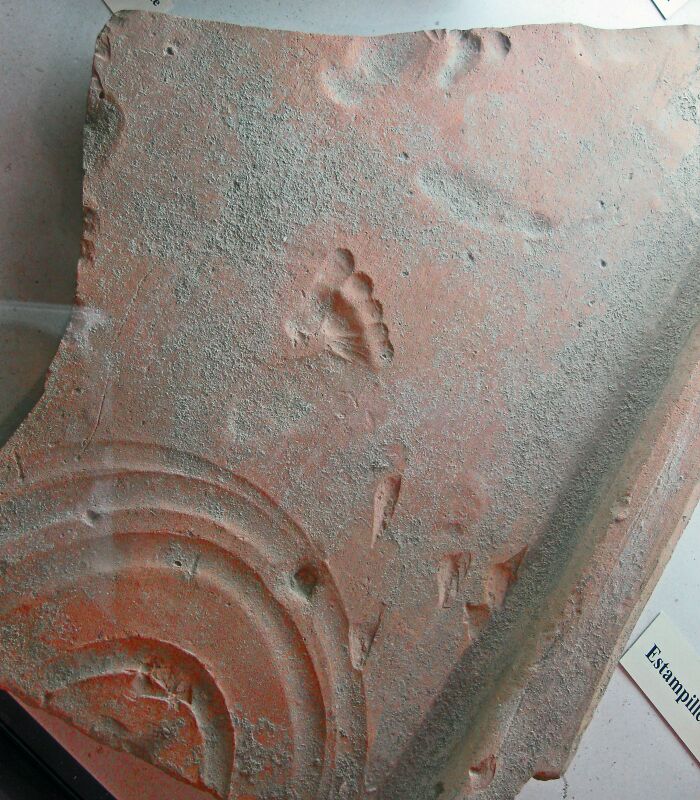
A Roman toddler's footprint in a red clay tile, imprinted as it was drying ~2000 years ago. Vaison-la-Romaine (ancient Vasio Vocontiorum).
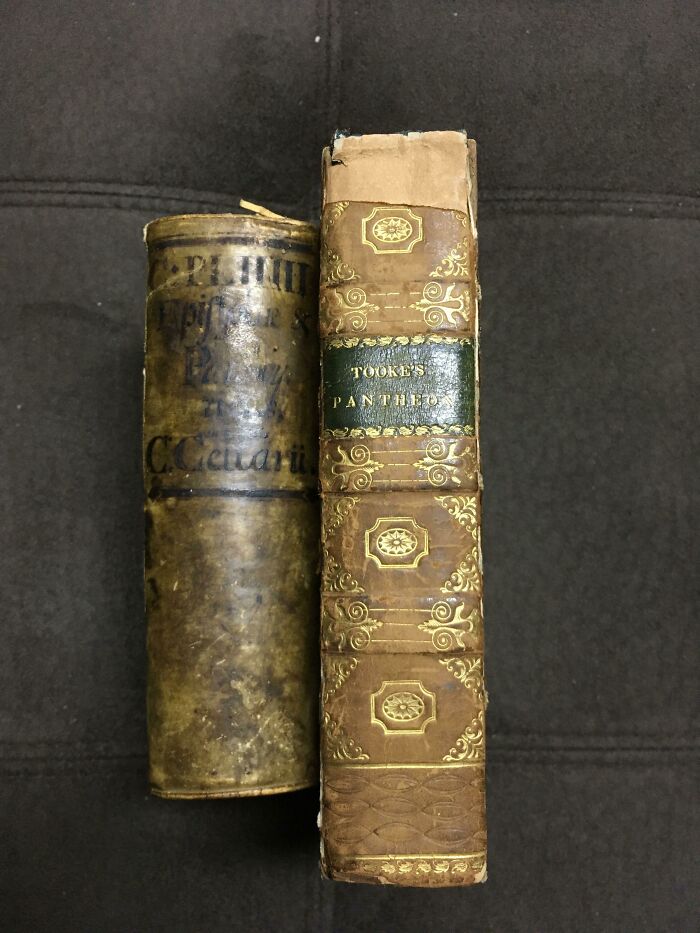
Two books I picked up from the Goodwill where I work. The one on the left was printed in 1711 and is a collection of Pliny the Younger’s letters. The one on the right was printed in 1771 and is a school book about Greek Mythology.
An 8-mile long "canvas" filled with ice age drawings of extinct animals has been discovered in the Amazon rainforest.

Can we preserve this and maybe not clear the area to grow more f*****g palm oil or whatever? *uckin*
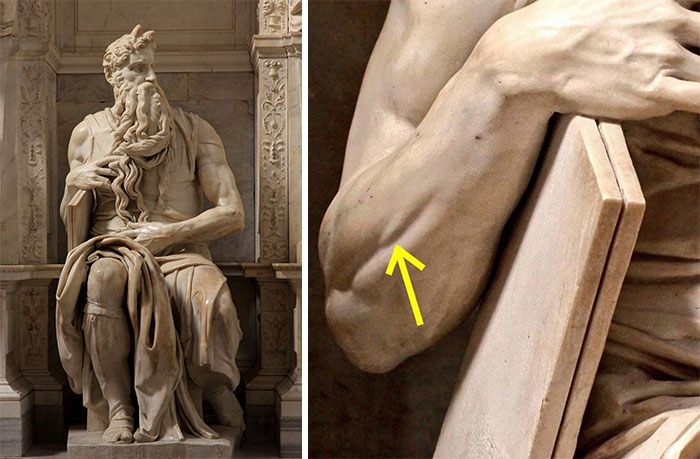
Michelangelo's Moses is a marble sculpture made in 1513–15. One of the many details of this masterpiece is one very small muscle in the forearms that contracts only when lifting the pinky, otherwise it is invisible. Moses is lifting the pinky, therefore that tiny muscle is contracted.
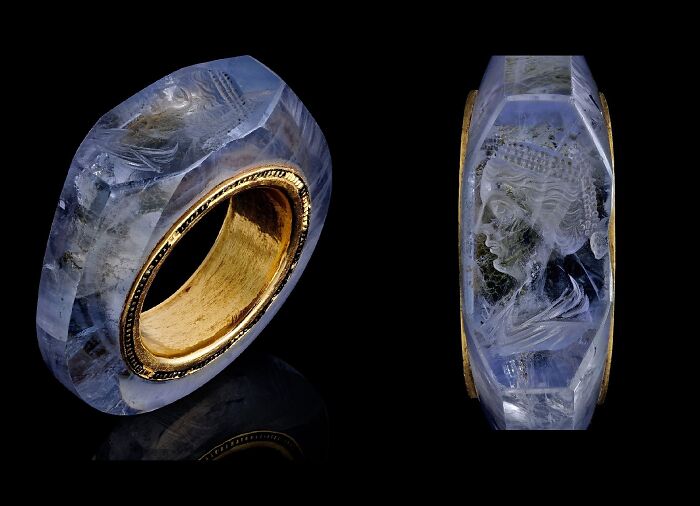
Wonderful 2000-year-old sapphire ring presumably belonged to Roman emperor Caligula, thought depicting his fourth wife Caesonia.
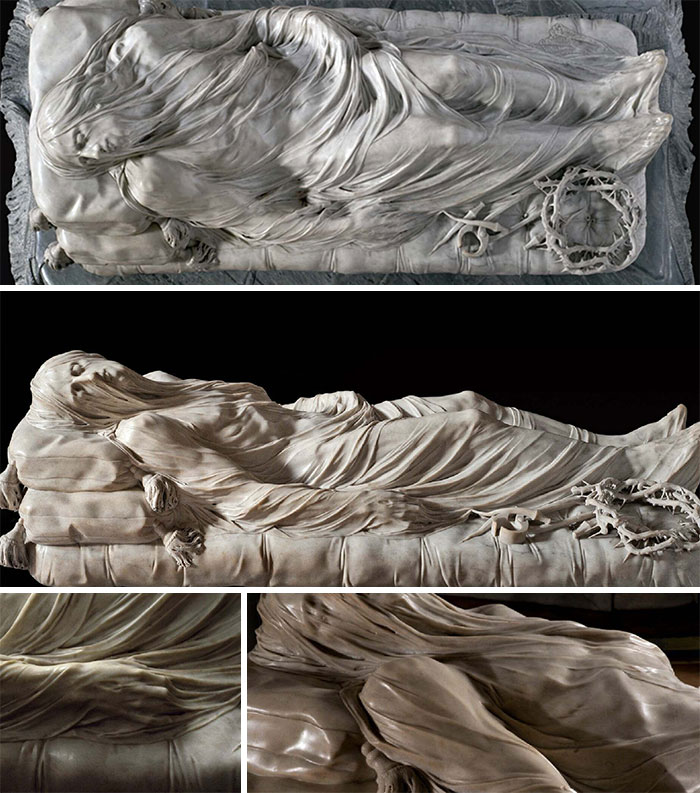
The Veiled Christ, a 1753 marble sculpture by Giuseppe Sanmartino exhibited in the Cappella Sansevero in Naples. Due to its incredible detail, there was a legend that said that the statue was covered by real veil and slowly transformed over time into marble via chemical processes.
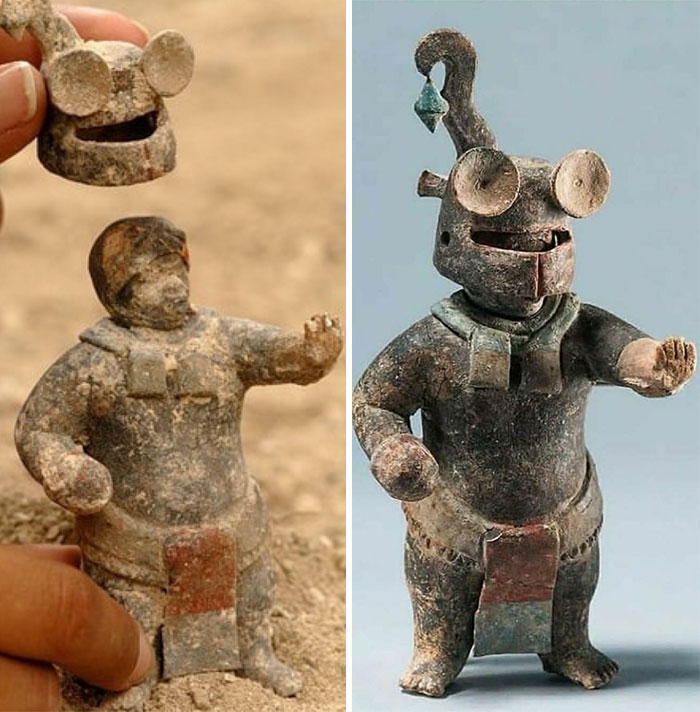
1,500-year-old Ceramic Maya Figurine with Removable Helmet, from El Perú-Waka', Petén, Guatemala.
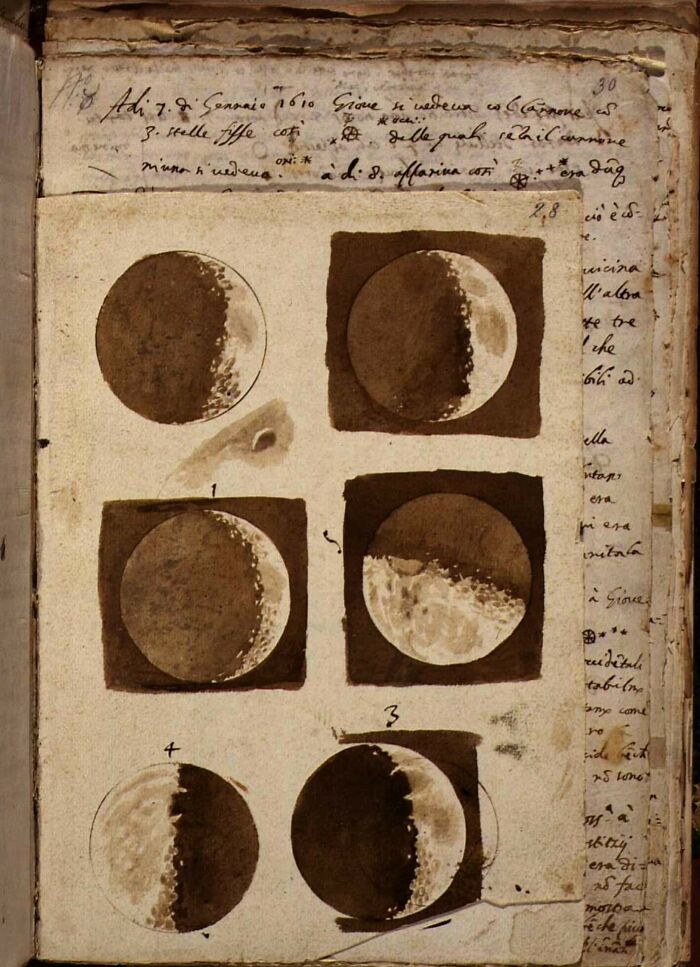
First ever drawings of the moon made by Galileo Galeili after observing it through his telescope in 1609.
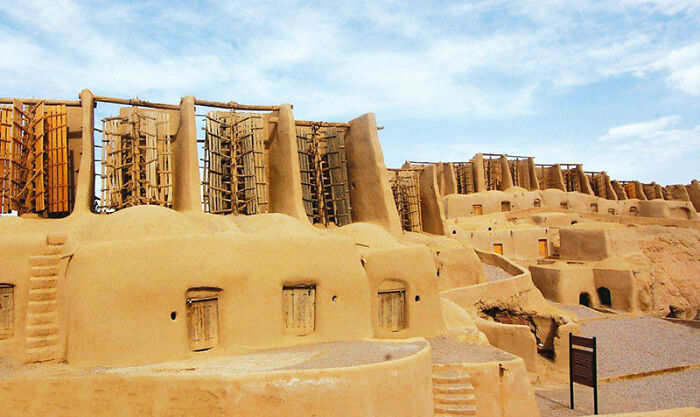
In the small village of Nashtifan, Iran, some of the oldest windmills in the world still spin. Made of natural clay, straw, and wood, the windmills have been milling grain for flour for an estimated 1,000 years.
A 17th-century Ottoman three-mast tent made of silk and gilded leather. Now on display at the Turkish Chamber in the Dresden Armoury.
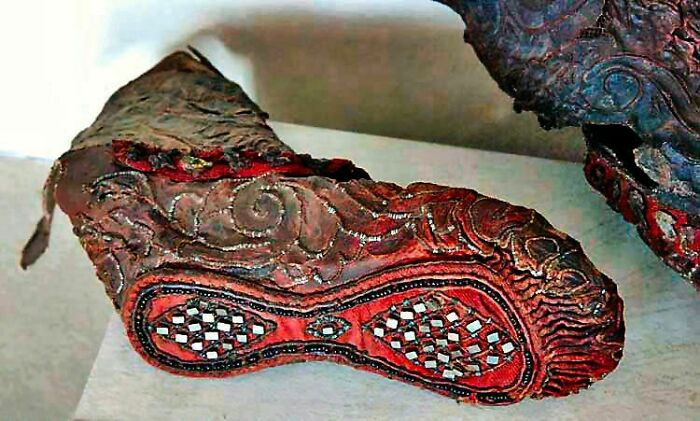
2300 years old Scythian woman's boot preserved in the frozen ground of the Altai Mountains.
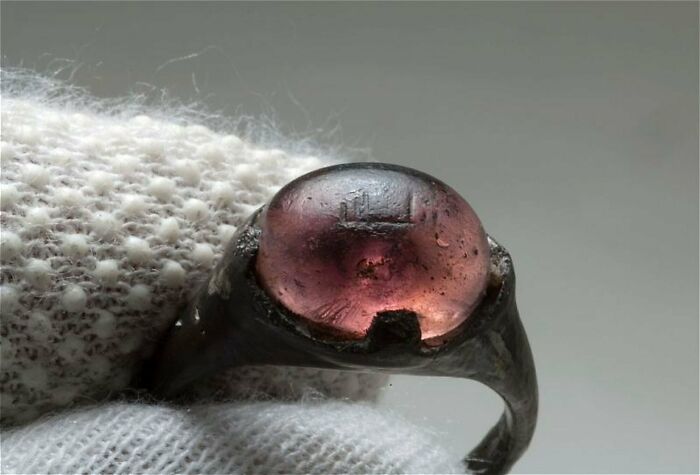
A Viking era ring inscribed with the words 'for Allah', found in the grave of a woman who was buried 1200 years ago in Birka, 25 km west of modern-day Stockholm. The ring constitutes a unique material evidence of direct contact between the Vikings and the Abbasid Caliphate.
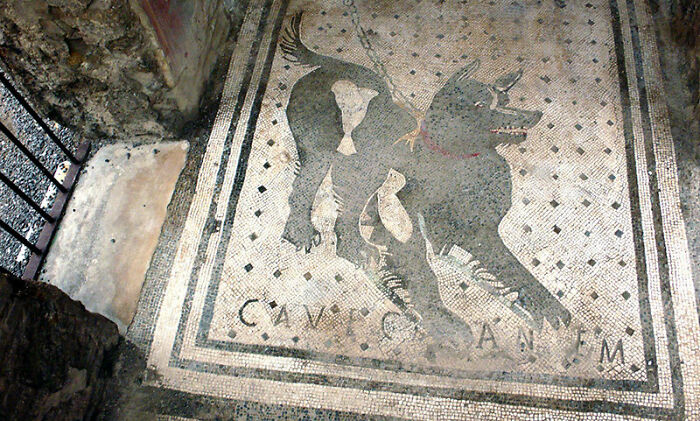
Ancient ‘Beware of Dog’ Sign From 2,000 Years Ago. A mosaic in front of a Roman poet's house in Pompeii, 1st Century AD. "Cave Canem"/caveat canine/beware of dog.
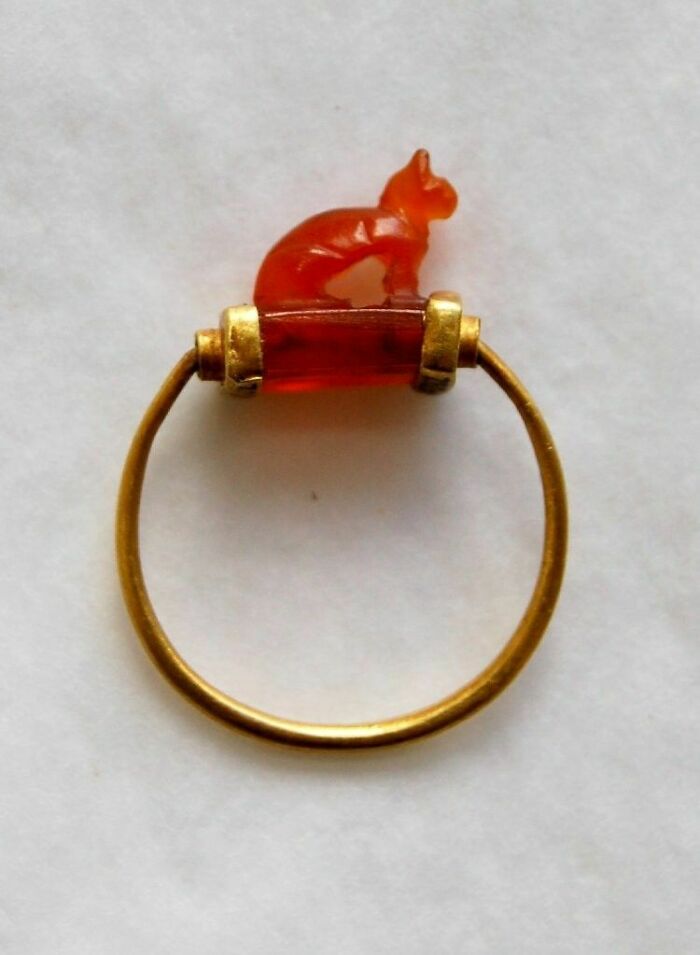
An ancient Egyptian gold ring with a carnelian bezel in form of a cat. From the Third Intermediate Period (1070–712 BC), it's now in the collection of the British Museum.
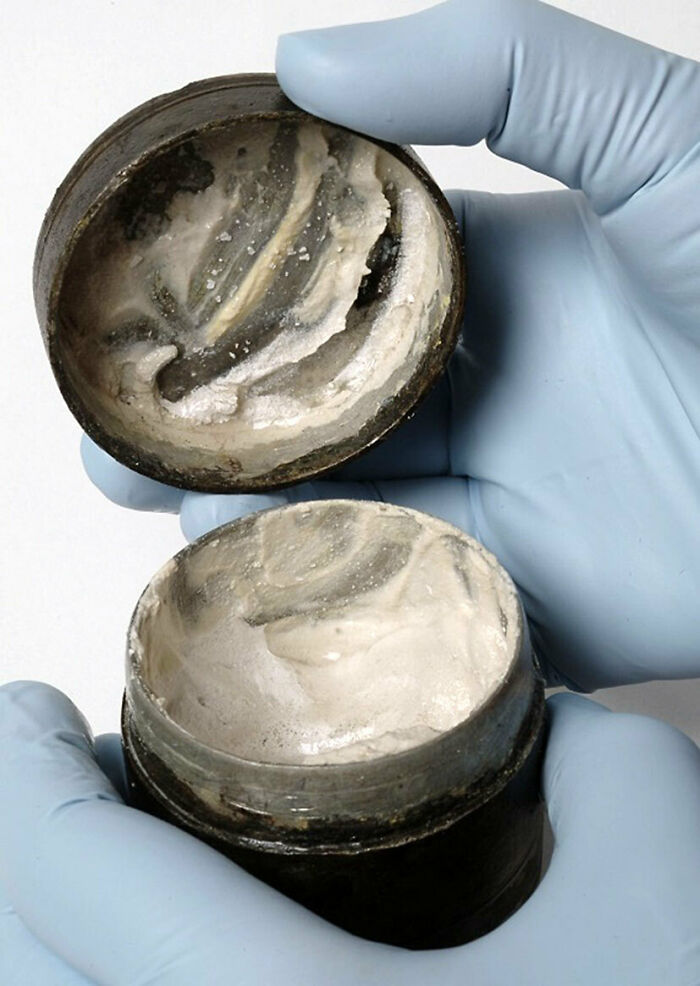
2000-year-old Roman face cream/lotion. Dating back to II AD. Object was found in the temple complex dedicated to Mars. It's world's oldest cosmetic face cream and it has finger marks in the lid.
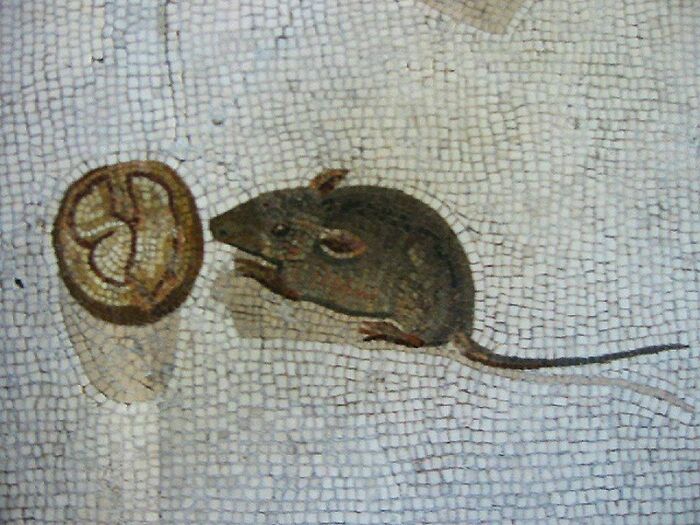
Detail from the "unswept floor" mosaic made by Heraclitus, showing a mouse eating a walnut. 2nd century CE, now on display at the Vatican Museums.
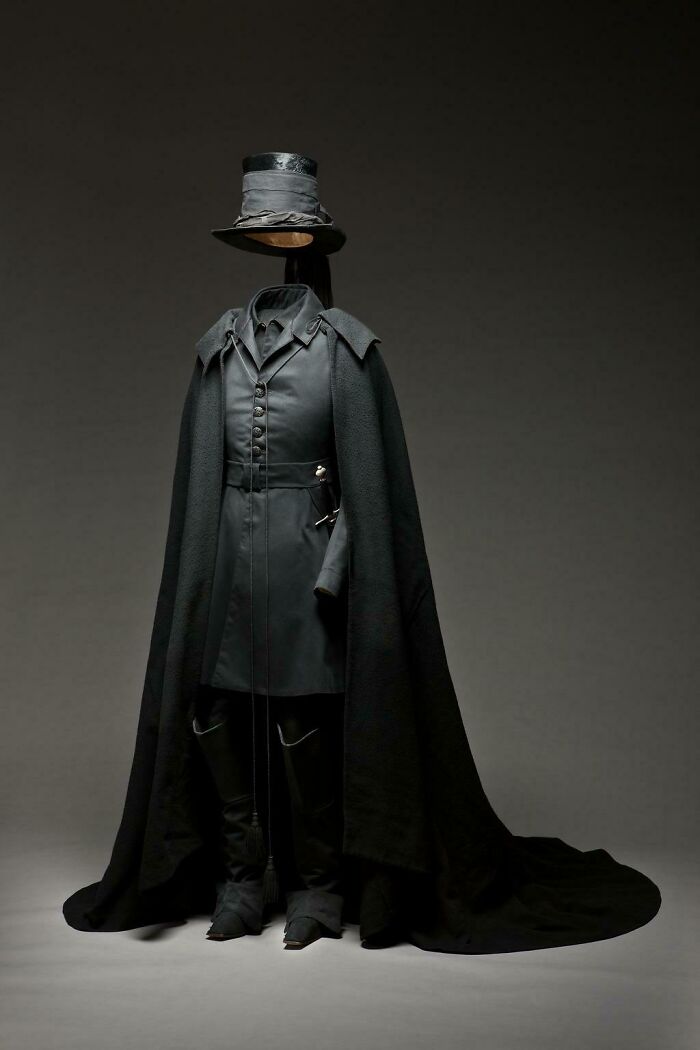
Mourning clothes worn by count Magnus Brahe at the funeral of king Karl XIV Johan of Sweden in 1844.
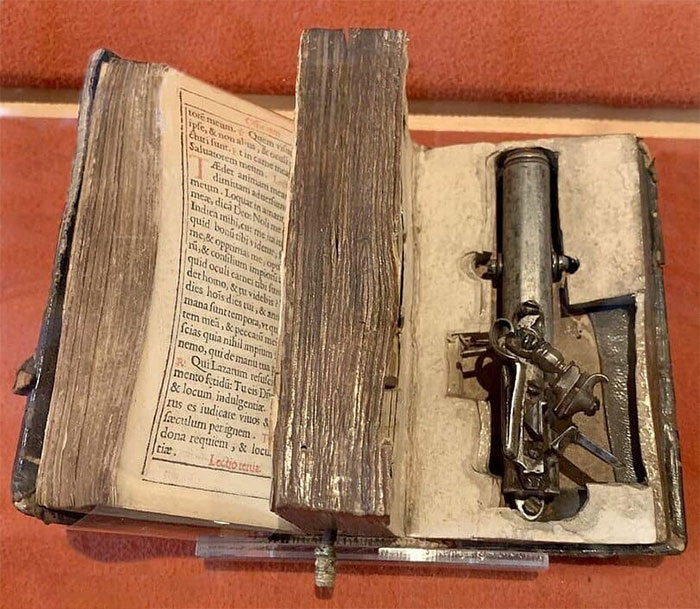
A gun hidden within a bible, made for Francesco Morozini, Doge of Venice (1619-1694). The owner of the bible could pull the silk bookmark to shoot while the book was still closed. Now on display at the Museo Correr in Venice.
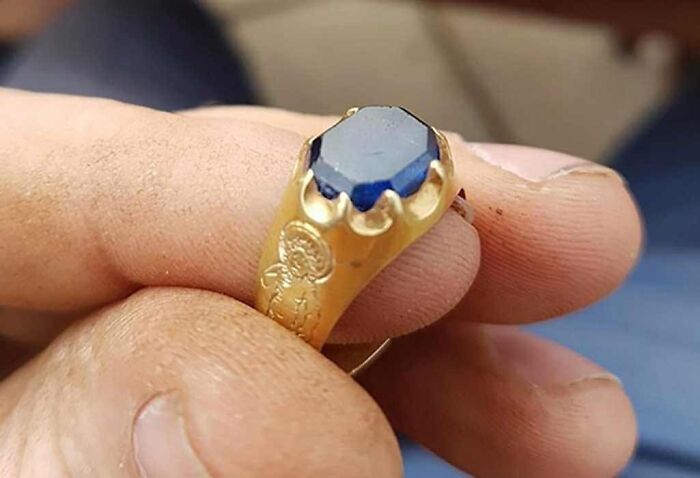
An amateur treasure hunter with a metal detector turned up a Medieval, gold ring that was set with a sapphire stone in Sherwood Forest—haunt of the legendary (or real) Robin Hood. Experts have examined the ring and believe it may date to the 14 th century.
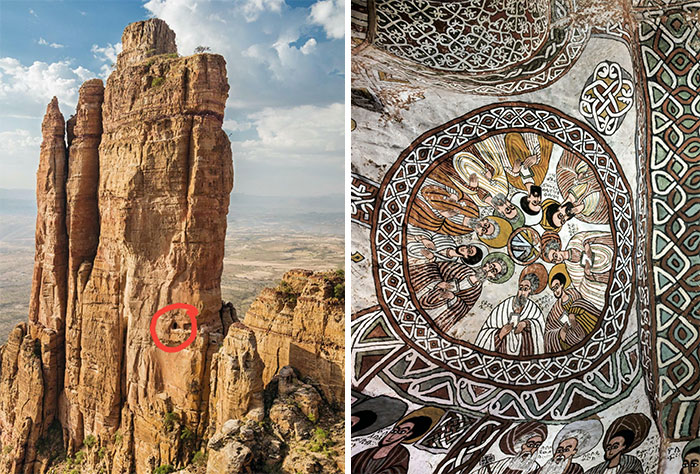
Abuna Yemata Guh is a monolithic church located in the Tigray Region, Ethiopia. It is situated at a height of 2,580 metres (its entrance is highlighted by a red circle) and has to be climbed on foot to reach. It is notable for its wall paintings dating back to the 5th century.
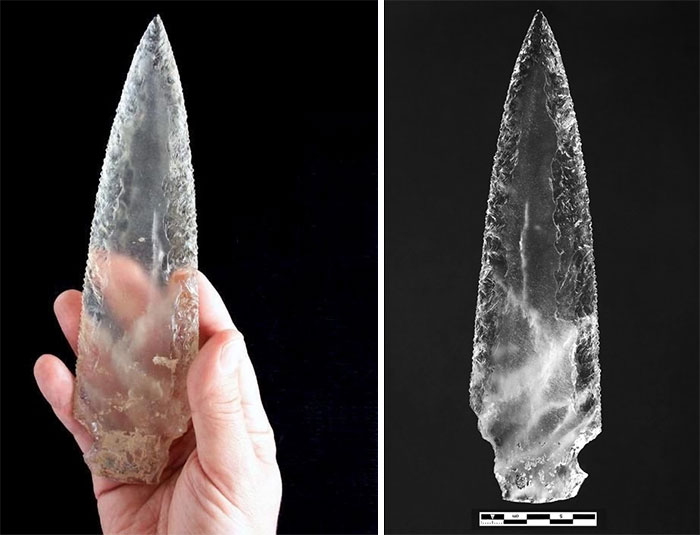
Crystal spearhead found in a 5,000-year-old megalithic tomb in Spain. The tomb had the remains of 25 individuals, several of whom had consumed a poisonous substance.
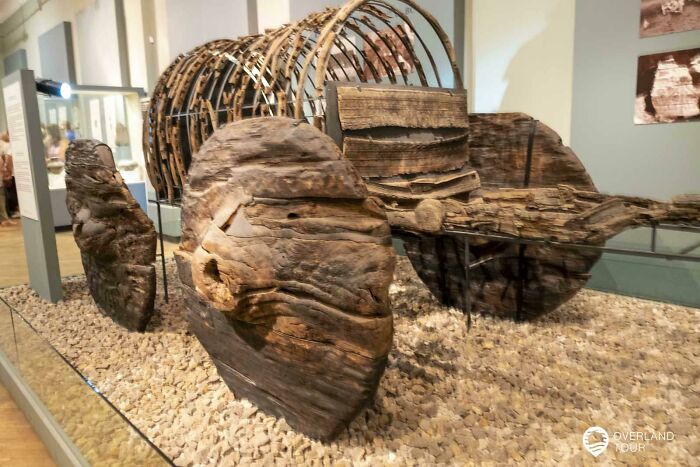
One of the 4000-year-old well-preserved wagons unearthed in the Lchashen village in the vicinity of Lake Sevan. Made of oak, they are the oldest known wagons in the world. Now on display at the History Museum of Armenia.
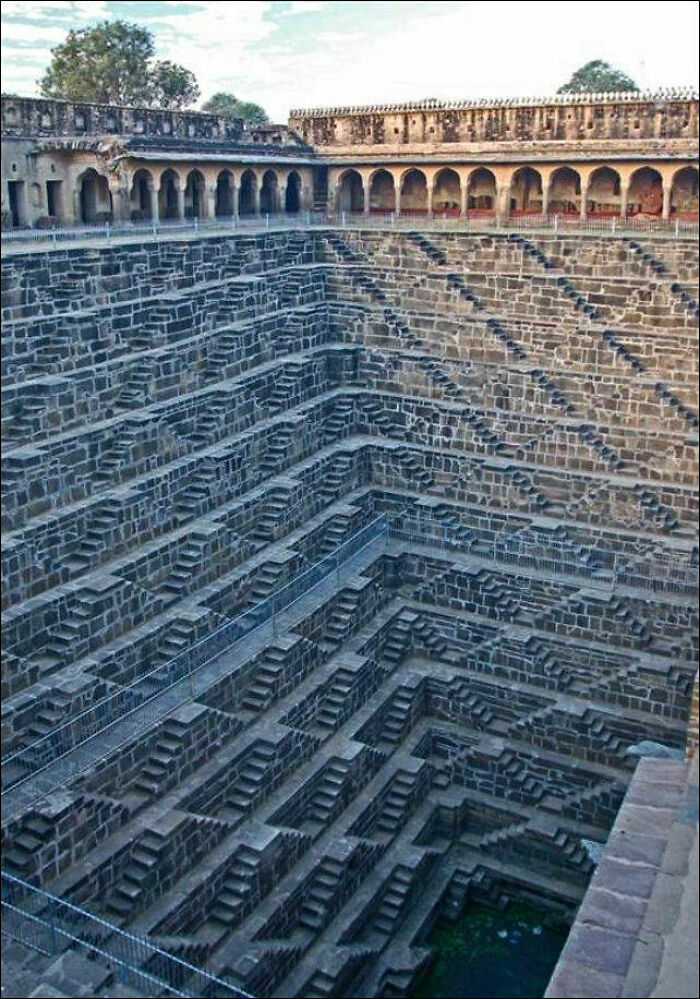
Chand Baori, the largest and deepest stepwell in India. It consists of 3500 narrow steps over 13 stories and extends 30 m into the ground. The oldest parts of the stepwell date from the 8th century, while the upper stories with the columned arcade around it were built in the 18th century.
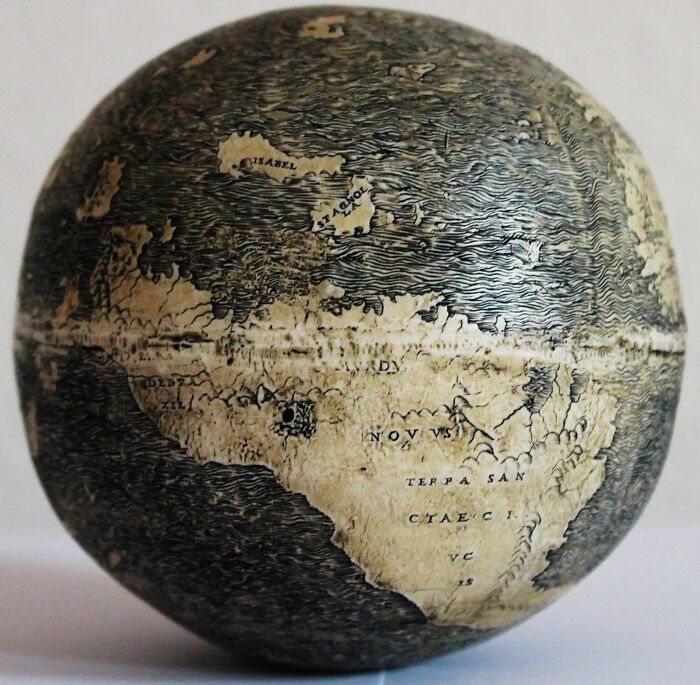
The Da Vinci Globe, dated 1504, is the oldest known globe to show the New World. Engraved with immaculate detail on two conjoined lower halves of ostrich eggs.
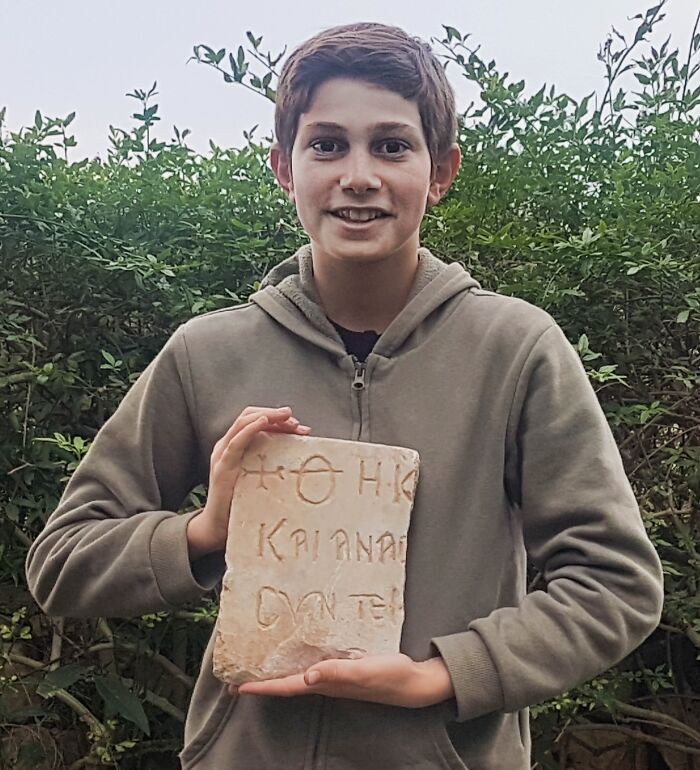
Thirteen-year-old Israeli goes foraging for mushrooms, stumbles upon a Byzantine burial inscription.
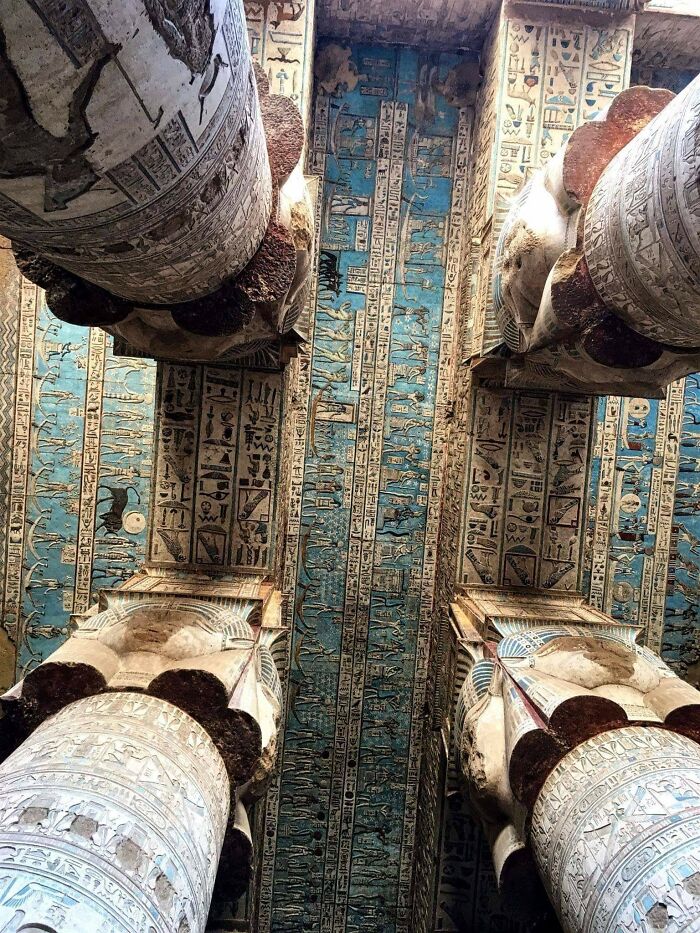
The ceiling of the 2000 years old hypostyle hall of the temple of Hathor in Dendera, Egypt.
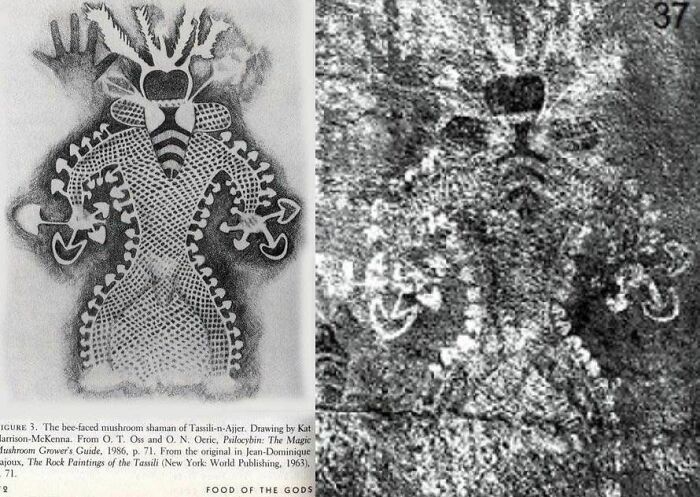
9000 year old cave painting in Tassili cave Algeria. Depicting a shaman during psychedelic mushroom use.
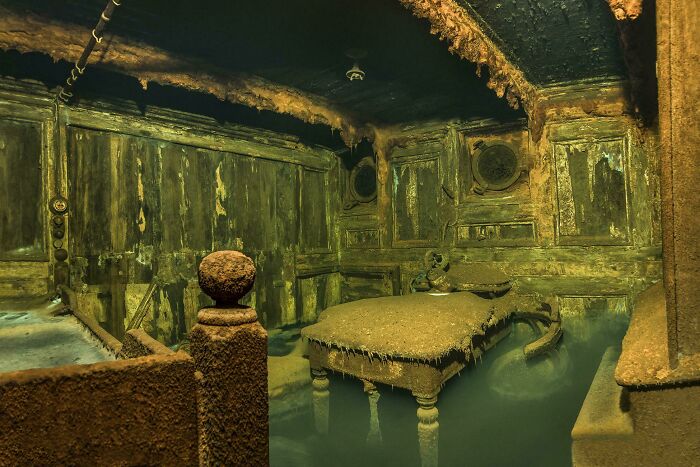
A cabin on board the Aachen, a 19th-century steamship hit by a torpedo in July 1915. Now located at the bottom of the Baltic Sea.
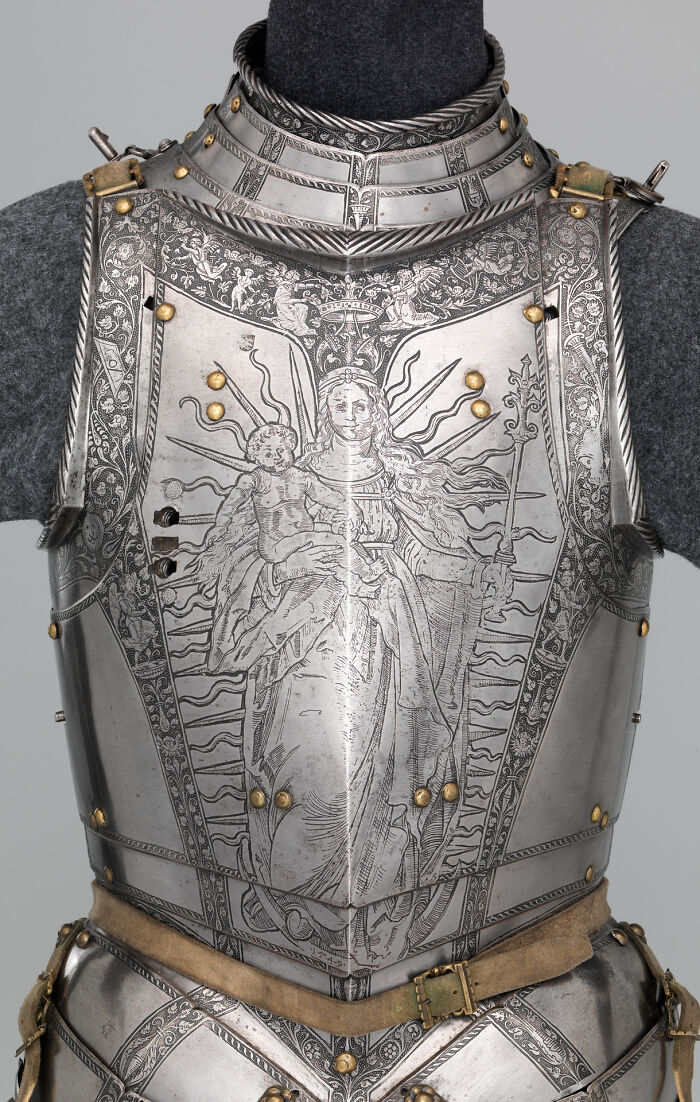
Breastplate Armor of Ferdinand I, Holy Roman Emperor, 1549.





































 No fees, cancel anytime