Get Premium
Dark mode theme is available exclusively for premium users. Learn more about the benefits of subscribing.
No fees, cancel anytime.

 Dark Mode Ad-Free Browsing Unlimited Content
 Ad-Free Browsing Unlimited Content Dark Mode
Join 1.2 million Panda readers who get the best art, memes, and fun stories every week!


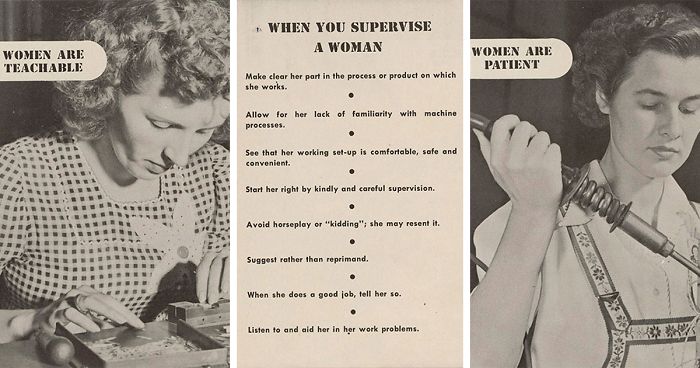
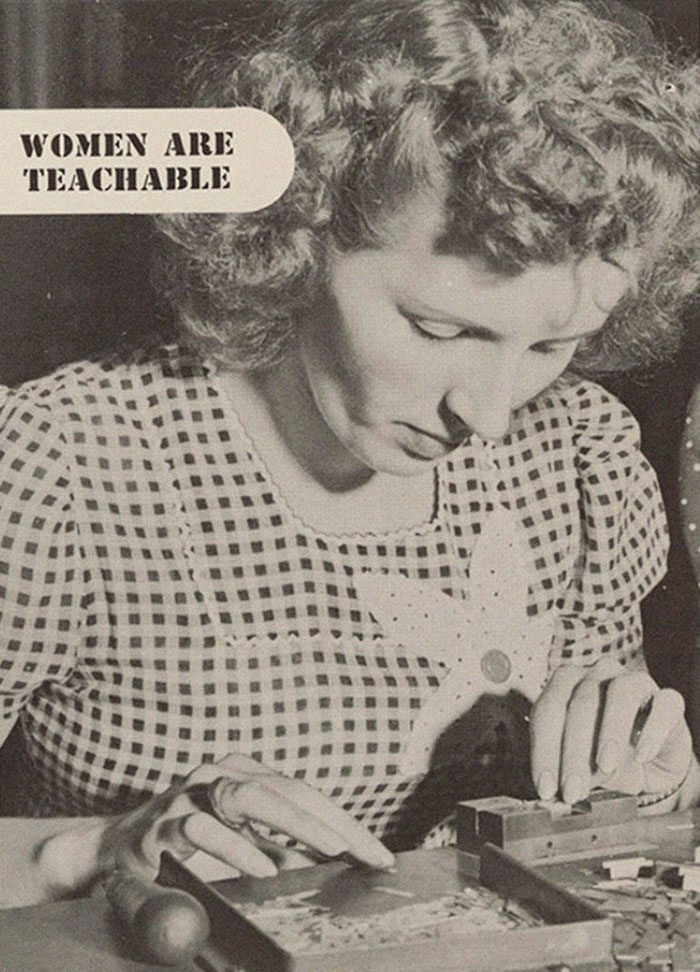
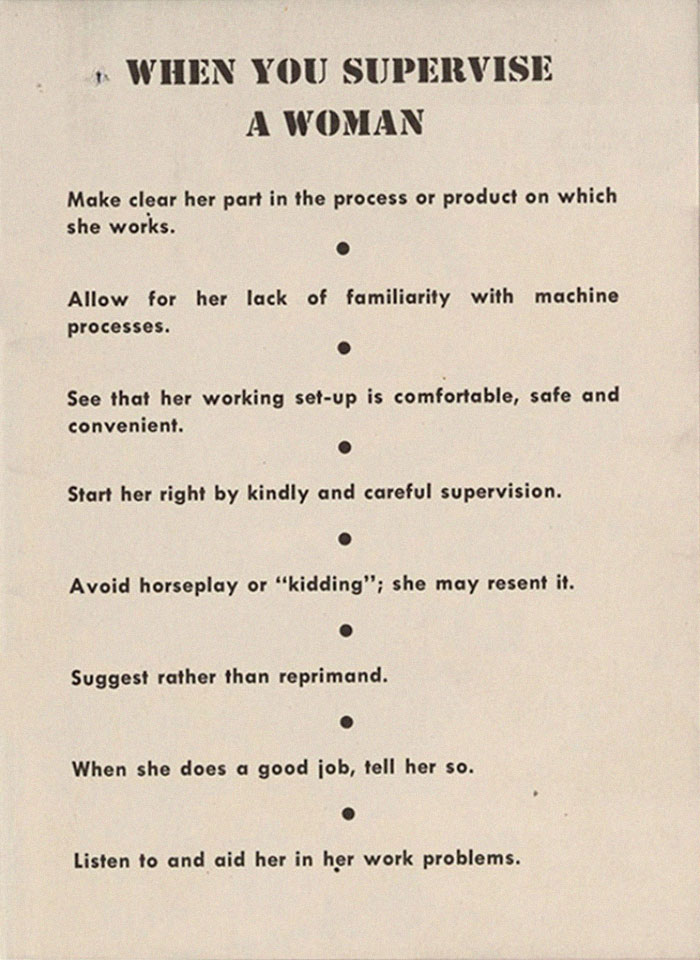
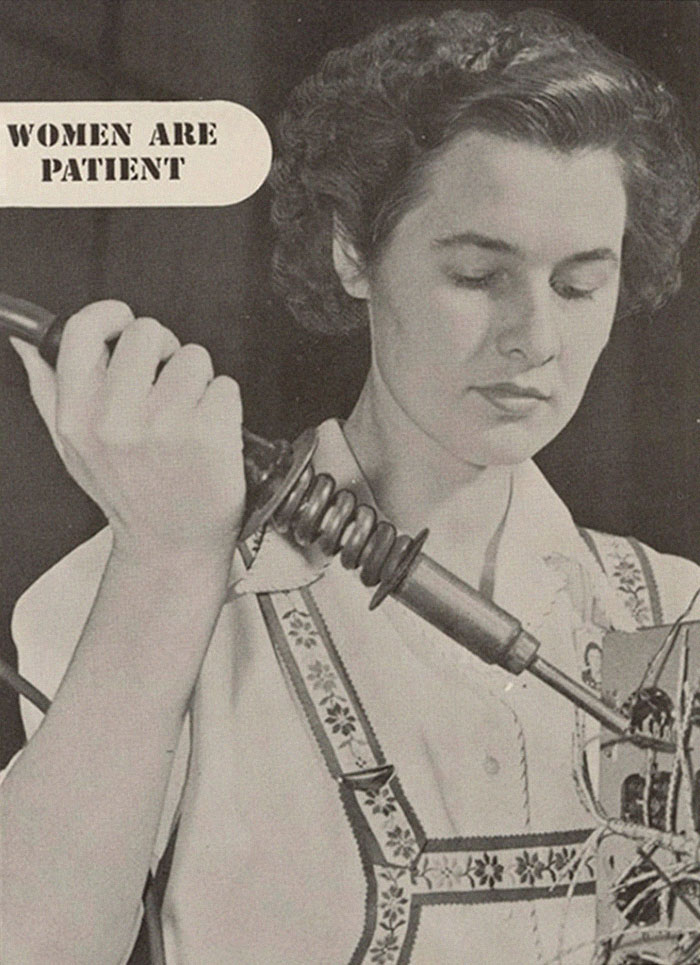
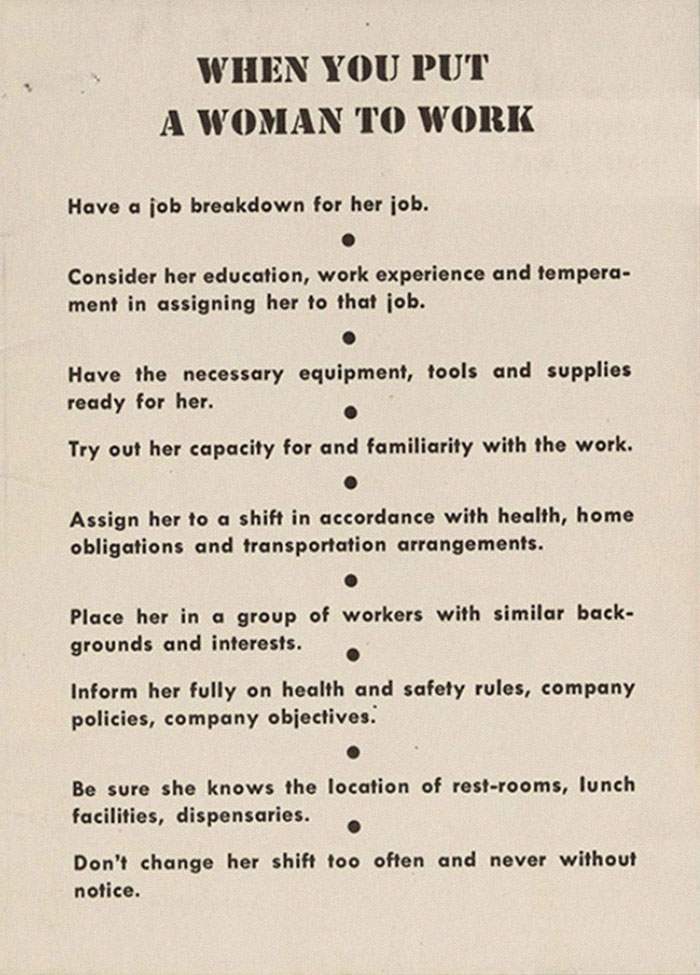
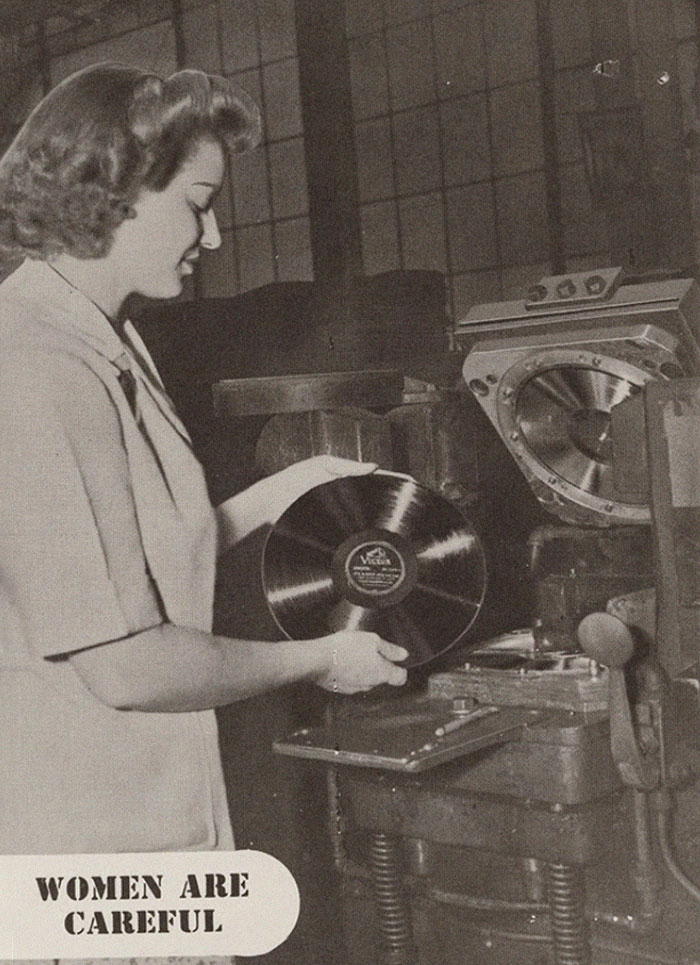
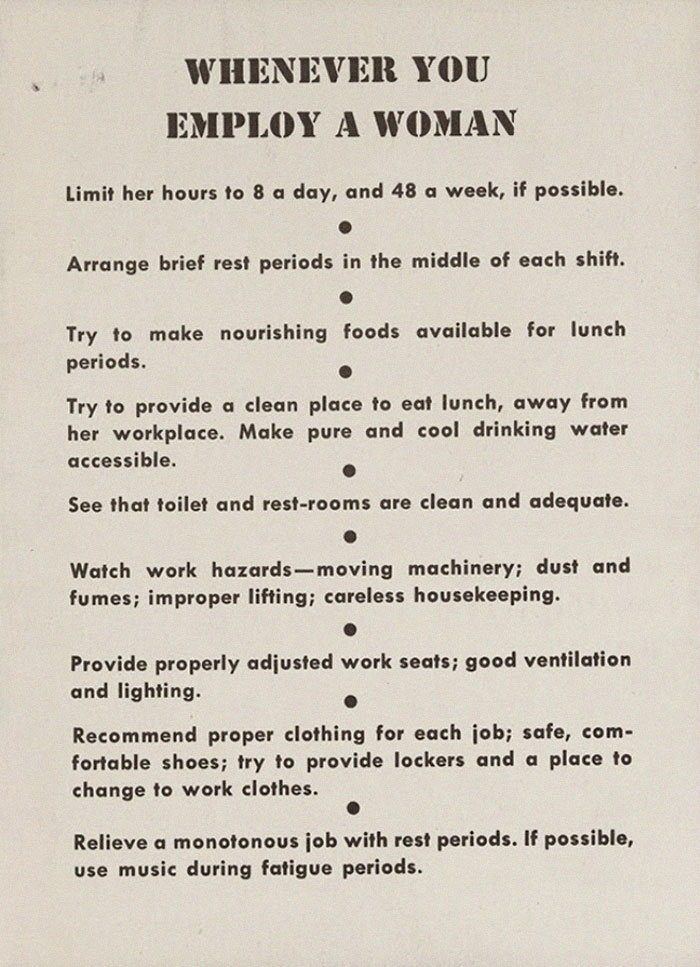
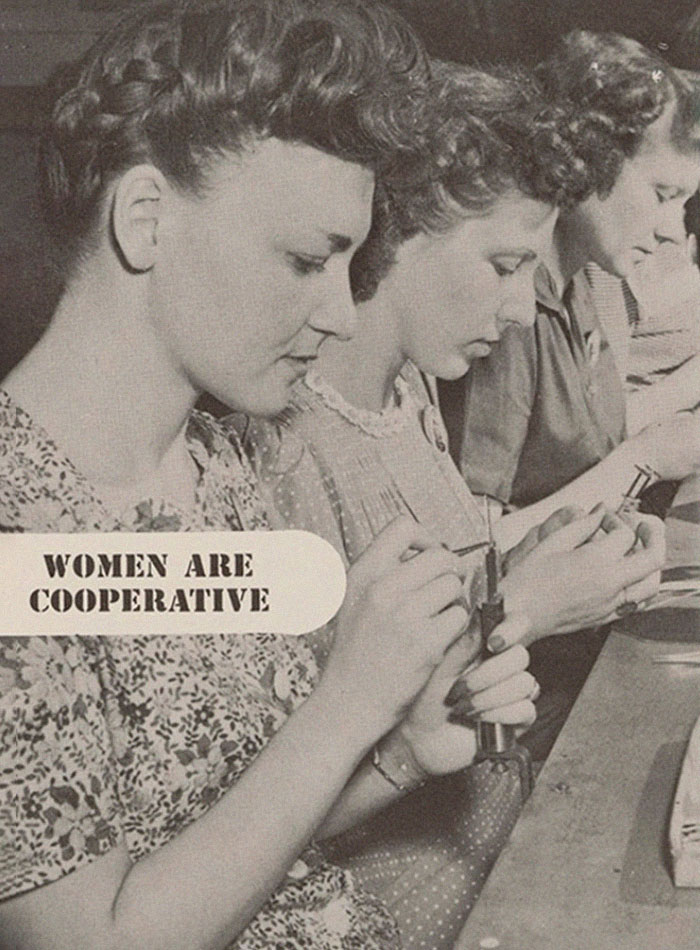
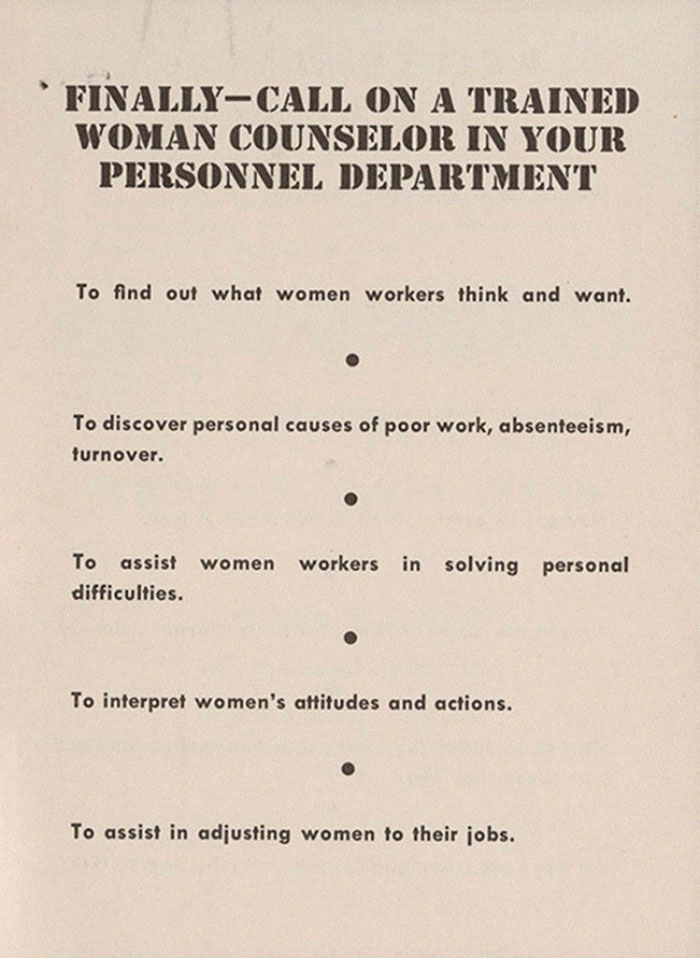
Human resources departments are essential to any company. They guide the office culture and employees on how they should conduct themselves – even the bosses. The blog Retronaut uncovered old supervisor manual, created by RCA in the 1940s meant to educate male bosses on how to integrate their new female co-workers into the workplace. World War II ignited a greater need for women to join the workforce, especially in factories. The manual titled ‘When You Supervise A Woman’ gives a window into how these working women in the 1940s were treated – and it may surprise you.
The #MeToo and #TimesUp movements forced a wave of change across industries, highlighting sexist practices and workplace sexual harassment that have been rampant for decades. Men have questioned how they will be able to ‘adjust’ to this new culture, of well, common decency. Maybe they can take a page from the past on how to treat your female subordinates. While the language of the manual is misogynistic some of these points are actually how any employee male or female should hope to be treated.
The 1940s saw a new kind of working woman. While women contributing to the workforce was not new, especially for minorities or lower-class women, for white-middle to high-class women there had always been a divide. Gender roles were not the only reason people balked at the idea of women working. The Depression caused such a high level of unemployment that women working was seen as stealing jobs from men.
World War II changed everything. Even before the United States joined the fight, the government had signed contracts to provide war equipment for the Allies. The war industry caused a job boom and positions needed to be filled by every able-bodied citizen – including women – but just as a temporary solution.
To encourage women to join the call to work they rolled out a propaganda campaign starring “Rosie the Riveter,” who spread the slogan “we can do it” to women across the nation. Slowly but surely they answered the call in a wave. Lower class women that were already working switched to higher-paying factory jobs, then those just graduating from high school and then eventually even married woman were targeted.
While some men didn’t want their wives working, the demand for workers became so high that even women with young children joined the working ranks. When the United States first entered World War II there were 12 million women already working and 18 million (one-third of the workforce) by the time it ended.
Even with the war efforts, most women worked in traditionally “female jobs” such as positions in the service sector. The only work sector that saw a complete mixing of genders was in factories.
The working women of the war were a crucial part of the efforts, but it still did not change societies view of a woman’s role. Factory or service jobs were seen as acceptable temporary contributions, but after the war, it was made clear to women that they were to return back to the home. Jobs demoted women into lower-paying jobs, while others laid them off completely. Rosie the Riveter faded into the background and the 1950s homemaker took her place.
171Kviews
Share on Facebook


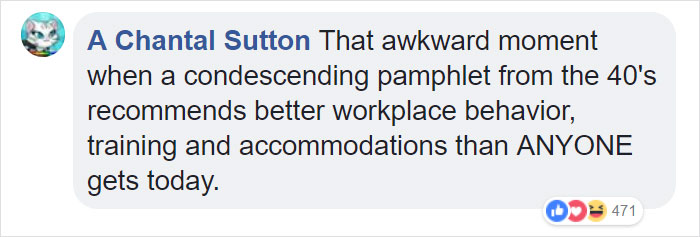
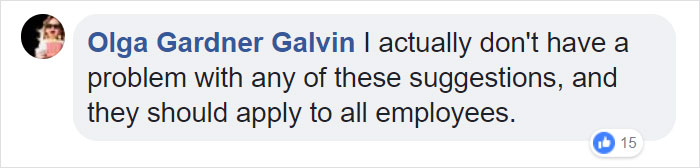
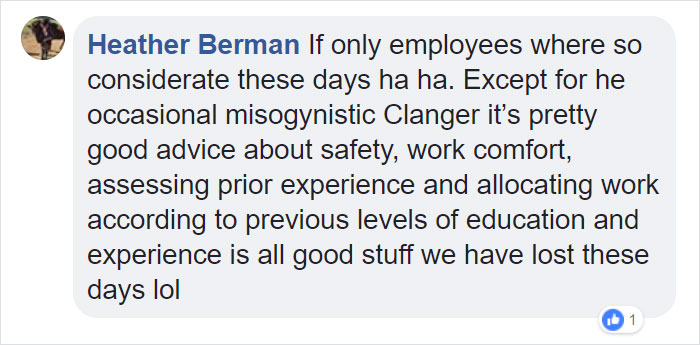
This list would work wonders with both men and women. It just sounds like good management.
Load More Replies...


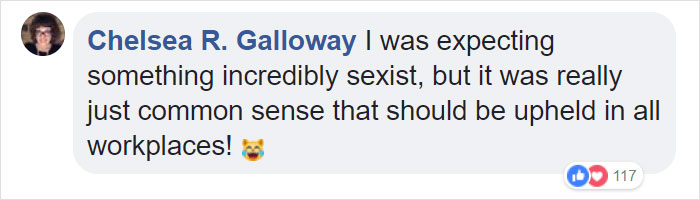
The thing that gets me is that this is specifically meant for women and most of these things are just plain decency. If this is the "special treatment" women were given, I feel bad for the men.

Back then the "suck it up" mentality was rampant when anything happened to a man whether physically or emotionally. Don't get me wrong, I'm quite old school but back then it was just over the top.
Load More Replies...

Apart from the sentence "women are teachable" , the rest is just common sense. I wish more employers nowadays followed these tips for everyone, men and women.

Even that sentence isn't bad. Telling male managers that just because women have not done a job before they can learn the skills no different to men.
Load More Replies... 
Yes, the old filmstrip documentary announcer voice!
Load More Replies... This list would work wonders with both men and women. It just sounds like good management.
Load More Replies... The thing that gets me is that this is specifically meant for women and most of these things are just plain decency. If this is the "special treatment" women were given, I feel bad for the men.
Back then the "suck it up" mentality was rampant when anything happened to a man whether physically or emotionally. Don't get me wrong, I'm quite old school but back then it was just over the top.
Load More Replies... Apart from the sentence "women are teachable" , the rest is just common sense. I wish more employers nowadays followed these tips for everyone, men and women.
Even that sentence isn't bad. Telling male managers that just because women have not done a job before they can learn the skills no different to men.
Load More Replies... Yes, the old filmstrip documentary announcer voice!
Load More Replies...


































 No fees, cancel anytime
 then open in external browser


 and click "Open in External Browser"





















302
103