Get Premium
Dark mode theme is available exclusively for premium users. Learn more about the benefits of subscribing.
No fees, cancel anytime.

 Dark Mode Ad-Free Browsing Unlimited Content
 Ad-Free Browsing Unlimited Content Dark Mode
Join 1.2 million Panda readers who get the best art, memes, and fun stories every week!

Being a programmer has become the cool job that everyone wants. It pays well, and if you’re good at using a computer, then you’re already on the right path to start learning a thing or two about programming yourself.
But not everyone has the patience for it. It can be tedious; you need to pay attention to detail, and even though you might think you’re finally done with the code, when you run it: bam. It’s not working. Yeah, super fun. But these are such common experiences that there are so many memes online about life as a programmer, so here are our picks for the funniest ones.
This post may include affiliate links.
While programming may seem like a modern job that everyone is after, many might be surprised to learn that it was already a popular hobby back in the 80s. For a long time, computers weren’t accessible in most homes because, well, they took up entire rooms. But in the 1980s, they finally became widely available to the public with the Commodore 64, Apple II, and IBM PC.
This is when the first programmers emerged. At first, hobbyists, teens, and tech lovers learned BASIC at home and created games, applications, and even blogs. For the first time, programming became a hobby, but it wasn’t quite a job title for most people just yet. It wasn’t until the 1990’s that it decidedly became a high-demand career path, with tech startups drawing millions of people into software engineering.
Initially, these programming jobs were only available to those with the means to study at university. So, you’d have to have a degree in web development, computer science, or something similar to actually make it into the large startups that were getting attention. But the big boom didn’t happen overnight.
In the 2010s, big brands like Google, Apple, Meta, and Amazon became dominant forces in the global economy. This is when normal candidates became more acceptable, while coding bootcamps, online e-learning platforms, and even public policy helped transform coding into a skill that was believed to be beneficial for people of all age groups.

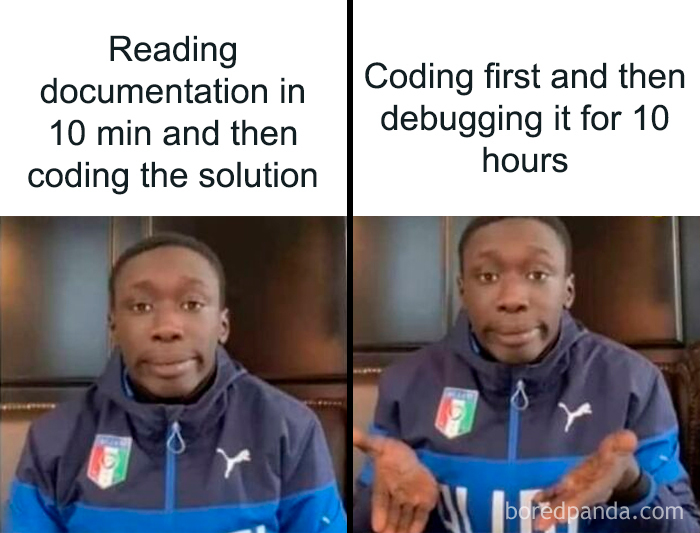
Reading! Documentation! Documentation doesn't come in a readable form any more, hasn't for nearly 50 years.
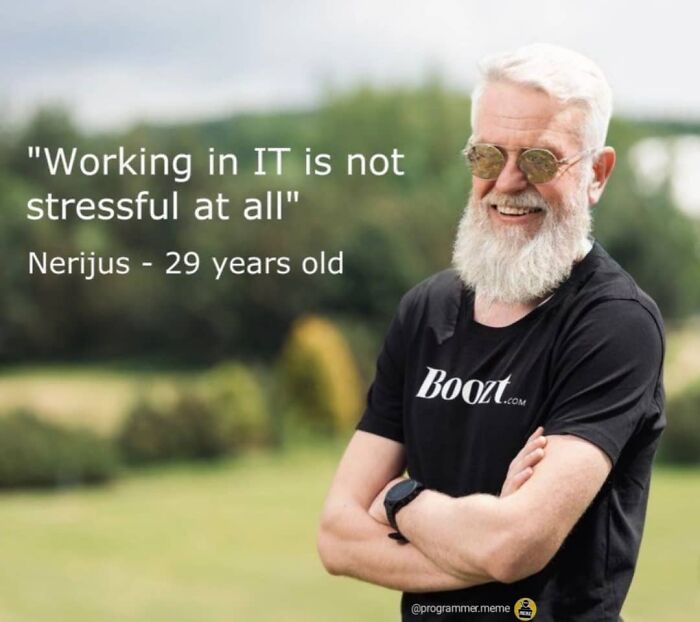
While there was initially room for excitement and growth, and it was a new world completely yours to develop, it's no longer nearly as much of a hobby for most people. Instead, it becomes a day-to-day hurdle just to pay the bills. In fact, a study conducted by Haystack Analytics found that 83% of software developers reported experiencing workplace burnout.
This stems directly from what programming is all about: problem-solving. Legacy codebases and brittle systems can actually turn into hours of frustrating troubleshooting, making technical debt one of the biggest sources of daily issues for engineers. They need uninterrupted blocks of time to tackle these problems, but urgent deadlines often prevent that, adding to frustration, stress, and overwork.
On the other end of the spectrum, however, many engineers are happy at work, in part because money does buy happiness. According to the U.S. Bureau of Labor Statistics (BLS), the median annual wage for software developers is $135,980. This means that developer roles pay roughly 2.8 times the national average.
So, why does it pay so much? It all comes down to the job description literally requiring deep logical reasoning and continuous learning. Demand is incredibly high for qualified talent in the industry because a single line of code from one engineer can serve millions of users and generate significant revenue for tech companies, so it’s in their best interest to have strong developers on their side.

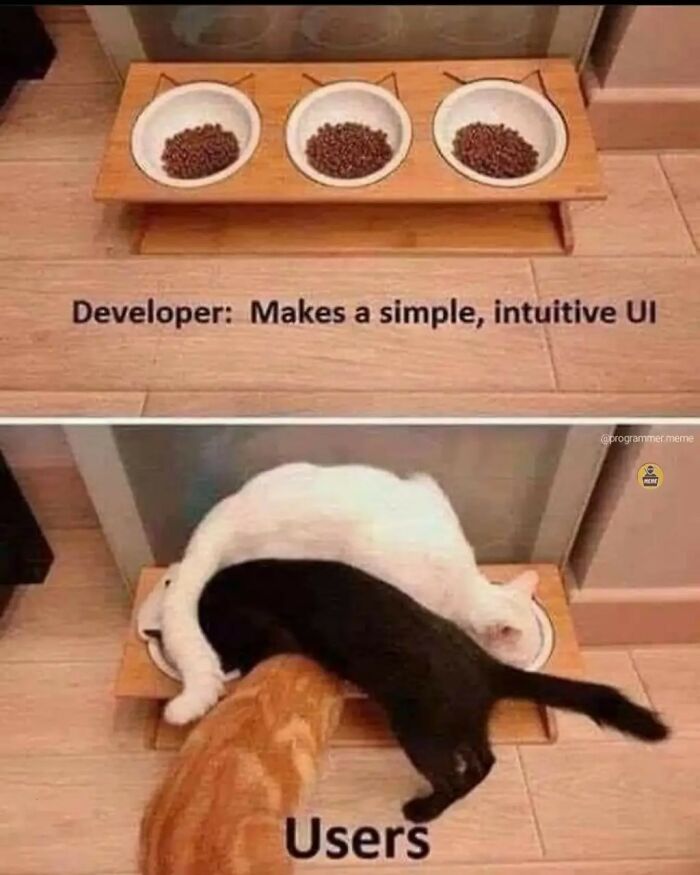
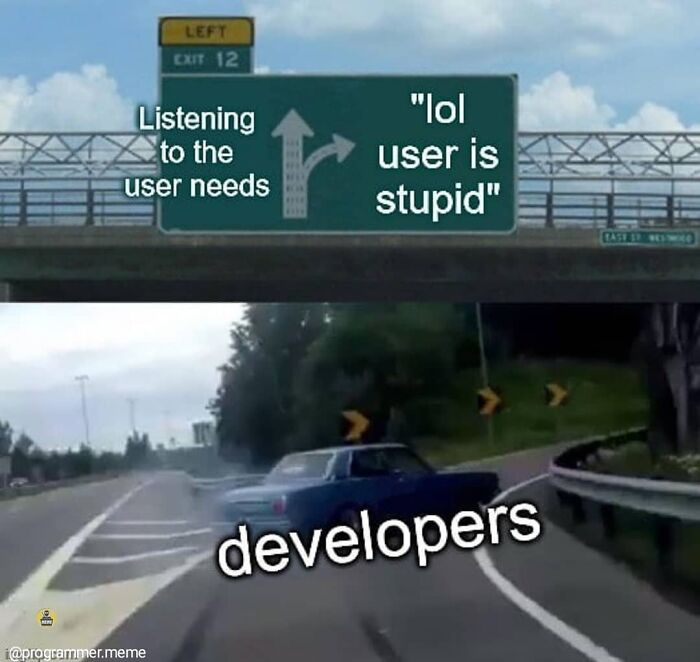
Thing is, even if it is written down in excess detail and signed off on, the dámn users change their minds every other day.
But, as we’ve mentioned, “qualified talent” doesn’t necessarily mean you need to have a bachelor’s or master’s degree. According to the annual Stack Overflow Developer Survey, while over 65% of professional developers have some form of higher education, nearly half learned to code outside a traditional classroom through online courses or personal projects.
Today, so many e-learning courses are available for all kinds of skills, talents, and hobbies that programming has become one of the most sought-after skills because of its accessibility. If you want to code, all you need is a decent laptop or desktop computer, and you’re basically good to go.
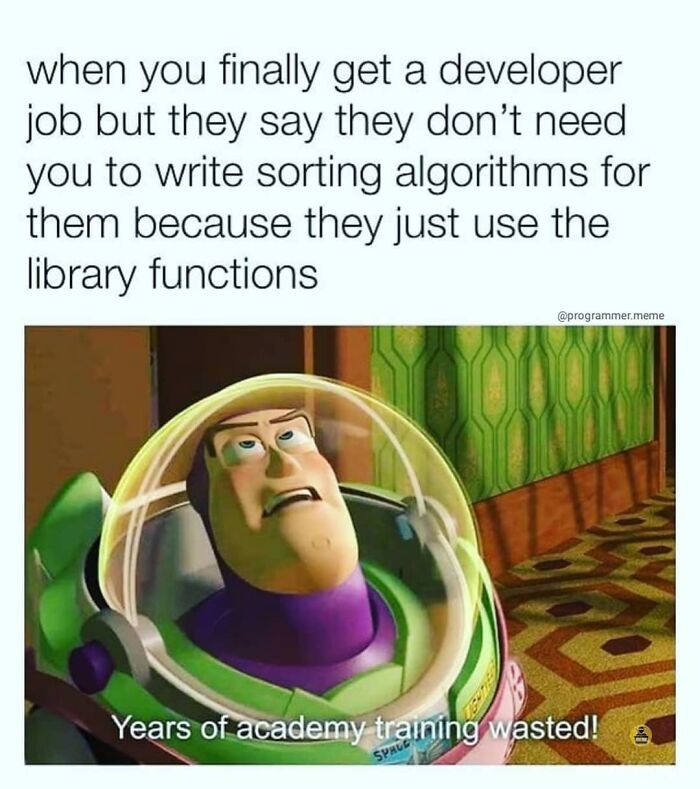
Well, when you teach 50,000 people to write sorting algorithms, one of those people is going to get it right.
And well, it’s one kind of job that doesn’t discriminate. There’s no denying that certain jobs have a lower percentage of either men or women depending on the area of expertise. However, programming has seen a growing ratio across demographics. Women make up around 22% of global software engineers, up from when tech startups first started.
At the same time, it seems particularly prominent among people under 35. This is partly because millennials and Gen Z are the generations most exposed to technology from school, so they naturally become more curious and skilled at using it. But don’t let that stop you, Pandas — if you want to become a programmer, all you have to do is start.
Just so you know. This also applies to climate change prediction software.
Definition of "Google search bar". This is just Wikipedia's user interface.
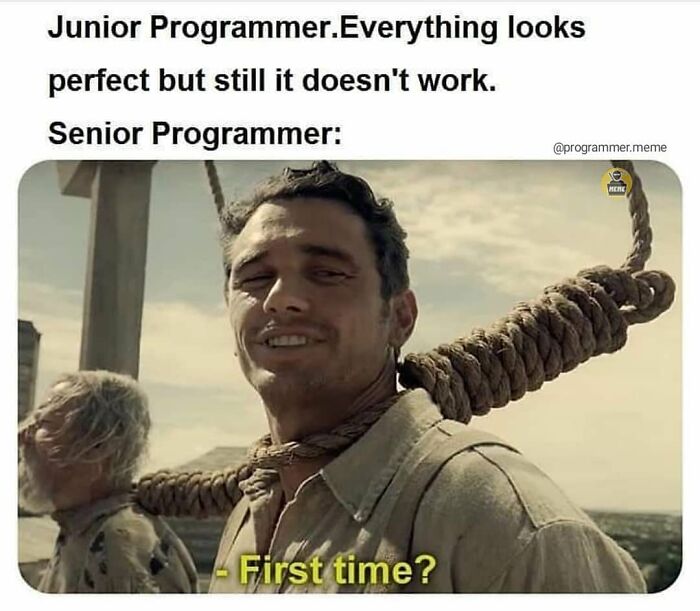
My last conversation with a developer. Me "There's a bug". Developer "did you set A?". "yes". "Did you set B". "yes". "Did you set C?". "yes". Developer, with a beaming smile, "I hate these guys, they do everything right and it still fails. OK, I'll look into it."
Sigh, I remember a time when infinite loops were to be avoided. Now they're nested twenty deep.
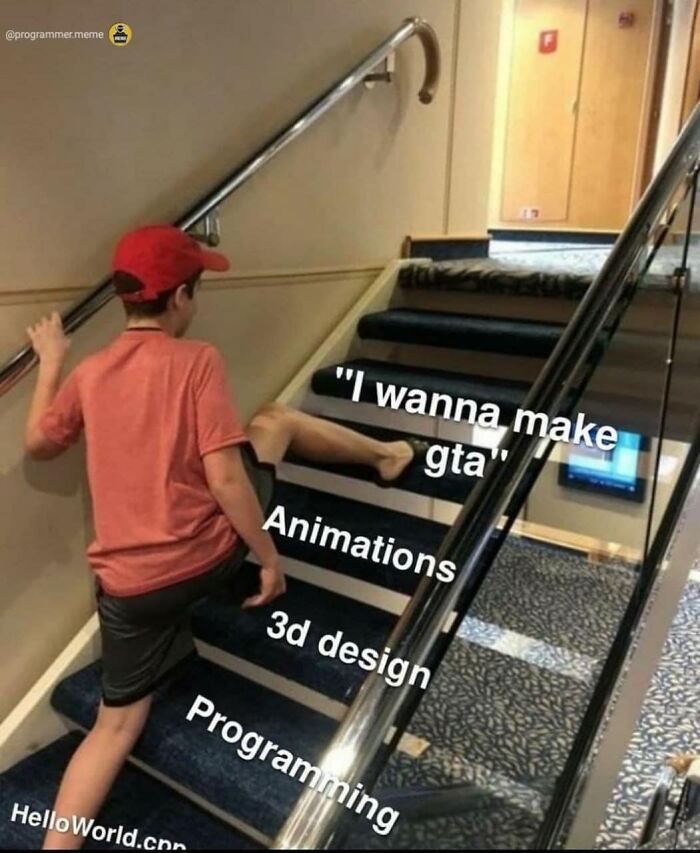
Sigh, 3-D design software always went off the market faster than I could learn a new system.
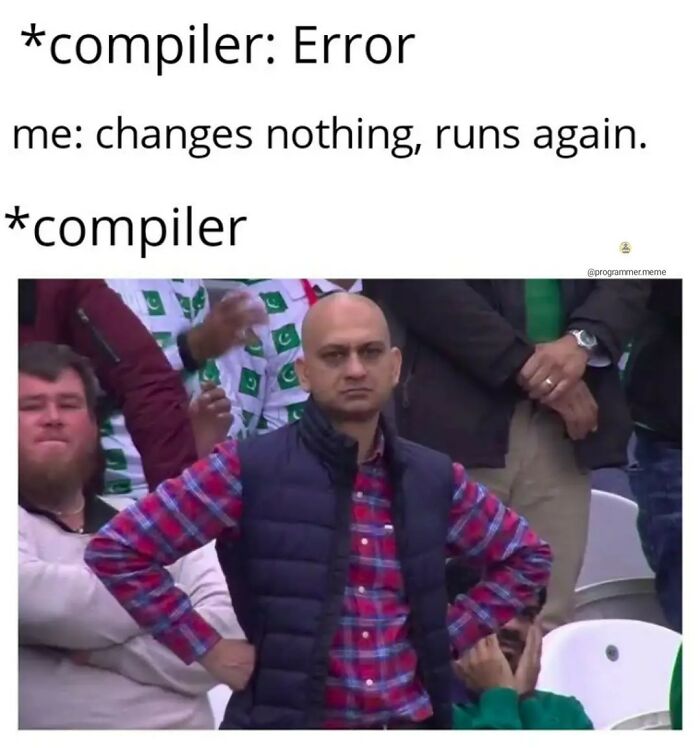
Always rerun the software without changing anything. It's amazing how often it works properly the second time around.






































 No fees, cancel anytime