Get Premium
Dark mode theme is available exclusively for premium users. Learn more about the benefits of subscribing.
No fees, cancel anytime.

 Dark Mode Ad-Free Browsing Unlimited Content
 Ad-Free Browsing Unlimited Content Dark Mode
Join 1.2 million Panda readers who get the best art, memes, and fun stories every week!


Since time immemorial, when the Tower of Babel collapsed and all peoples began to speak their own languages (in fact, of course, since much more ancient times), each language has its own principles for the formation of words. For example, they say that the peoples living in the Far North have up to a hundred words that can mean snow.
And since languages have their own principles for composing words, it means that words are completely unique, unlike other languages. And the participants in this viral thread in the AskReddit community recall the most interesting and artsy words from their languages, which, according to them, are sorely missed in English. So here's the selection of the best examples and stories made for you by Bored Panda.
More info: Reddit
This post may include affiliate links.
 Definitely not my native language, but I love --
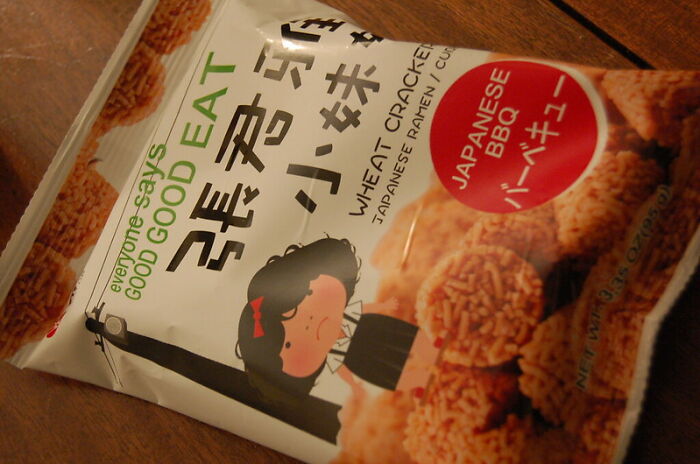
>“Kuchisabishii“ is a Japanese term which directly translates to 'lonely mouth; when you're not hungry, but you eat because your mouth is lonely.
Definitely not my native language, but I love --
>“Kuchisabishii“ is a Japanese term which directly translates to 'lonely mouth; when you're not hungry, but you eat because your mouth is lonely.

We call it “comfort eating”, meaning we need two words to express the feeling.






I'm a cognitive scientist. These features make me laugh because they begin with the assumption that if a language doesn't have a word for something, then speakers of that language can't have that concept. That's simply not true and there's loads of evidence against it. Humans have *many* more concepts than words and not having a particular word in no way correlates with not having a concept. Rant over.

 In German we have the word 'Geborgenheit' which describes a very specific feeling of feeling cozy and safe and protected. Like you would feel when you're around loved ones sitting around a fire or when the person you love holds you under the warm covers when it's raining outside. I tried to explain this to someone the other day and when we googled the translation- it came up with 'cozyness' which really doesn't pay justice to what it actually means.

We have the same word in Dutch. The closest term in English would be "safe and secure". It's a feeling you get as a child, sleeping in your parents' bed during a thunderstorm, or cuddling up with your partner. A feeling of being protected and safe and warm.

We have a similar word in Turkish which cannot be translated into English. "Keyif" is enjoyment, chilling, fun all done with an action to get keyif in a slow-living type of style and you take the time out for it. I think it might be because people are missing the concept.


When I translate the German "Geborgenheit bieten" into English it would be "providing a stronghold of love and care". ( the German word "Burg" is the same as the Danish "Borg".)

The Danish word "Borg" can be found as a verb in the German term "Geborgenheit". It tells the protection against the world outside while receiving care and love.
Load More Replies...  I miss roles in friendship distinguished in Polish.
“Kolega” is a friend who you like spending time with. Partying or chilling. You socialise and have a good time.
“Przyjaciel” is a friend whom you don’t need to keep in touch or have a good time. But when some bad thing is happening, you know you can call him.
I miss roles in friendship distinguished in Polish.
“Kolega” is a friend who you like spending time with. Partying or chilling. You socialise and have a good time.
“Przyjaciel” is a friend whom you don’t need to keep in touch or have a good time. But when some bad thing is happening, you know you can call him.



Well, kolega will do too, in certain circumstances...
Load More Replies... 

Finnish words: Ystävä as close friend, the one that stays on your side. Kaveri as friend that you hang with. Toveri as someone that shares same beliefs or politics or something; a person that you do same things with e.g. school friend that you do not see outside of school. Tuttu or tuttava as acquaintance. Does anyone come up with more Finnish words for “friend”?

And prijatelj is friend, which correlates to the przyjaciel it you look close enough
Load More Replies...
Colleague In English and kolega in Russian mean the same thing - coworker. Interesting that it has nothing to do with friendship...

In fact, the uniqueness of many words comes from the fact that in the language from which they come, new words are formed simply by combining other, shorter words. This is the origin of, for example, the word Llanfairpwllgwyngyllgogerychwyrndrobwllllantysiliogogogoch - a Welsh town, whose name is today considered the longest in the world. By the way, according to one of the legends, initially the town had a much shorter name: Llanfairpwllgwyngyll, and only in the middle of the 19th century did the local mayor, willing to become famous, lengthen the name so much.
By the way, in the modern world, such names sometimes bring unexpected marketing effects. For example, the Llanfairpwllgwyngyllgogerychwyrndrobwllllantysiliogogogoch soccer club, which plays in the local semi-amateur league, recently acquired a powerful sponsor. It was the Spanish soccer league - La Liga, whose new logo contains two letters L combined. And in the name of said town in Wales, there are five such double L's - so from now the small club is guaranteed financial and marketing growth.
 There is a Japanese term “Komorebi”, for which no English translation exists. It roughly translates as “the scattered light that filters through when sunlight shines through trees”.
I love how some languages are able to describe such beautiful moments in life.
There is a Japanese term “Komorebi”, for which no English translation exists. It roughly translates as “the scattered light that filters through when sunlight shines through trees”.
I love how some languages are able to describe such beautiful moments in life.

This sounds suspiciously like 'dappled light'; "small patches of light filtered through objects, often trees, and it creates a combination of light and shadows."
Agreed, but that's not a term that's specific to trees either. Dappled just means spotted, and is used to describe horses and whatnot as well. English can always find words that will get a similar description across, but we don't have a dedicated word for it.
Load More Replies...
In English, the word apricity means the exhilarating sensation of warm sunlight on your skin on a cold day in winter. My son's partner named her beautiful rescue dog Apricity.
Also betsubara, which means no place in belly for any more food but Ice Cream is still welcome...
 Backpfeifengesicht. "A face in need of a fist"
I'm not a violent person but I appreciate that this word exists.
Backpfeifengesicht. "A face in need of a fist"
I'm not a violent person but I appreciate that this word exists.


It's the same in Italian! "Faccia da schiaffi"
Load More Replies... Backpfeife is an ond German slang word for a slap to the face, not a fist punch to the face. A Backpfeifengesicht, therefore, is a face in need of a slap, not a fist.

»Backpfeifengesicht, wenn Du glaubst, dass dich jemand mag, irrst Du dich. Backpfeifengesicht, mach dich vom Acker, verstehst Du mich nicht?« lyrics taken from the song »Backpfeifengesicht« by »Die Ärzte«...

I'm trying to translate it word for word with my limited German vocabulary, back blow face


 My native language is a Native American language called Comanche and isn't a written language but the word sounds like "chaw-tamaw-tey-quat" and it basically is a socially acceptable way to say "I'm done speaking"


The argument could be made that languages are constantly evolving and changing, so trying to codify a language can never really capture that language.
Load More Replies...
This has had a written form since 1994. Wikipedia: The Comanche Alphabet was developed by Dr. Alice Anderton, a linguistic anthropologist, and was adopted as the official Comanche Alphabet by the Comanche Nation in 1994. The alphabet is as follows: AlphabetPronunciationAlphabetPronunciationAlphabetPronunciation a/a/m/m/t[t] /t/ b[β] /p/n/n/u/u/ e/e/o/o/ʉ/ə/ h/h/p[p] /p/w/w/ i/i/r[ɾ] /t/y/j/ k/k/s/s/ʔ/ʔ/ Notes: Long vowels are indicated by doubling the vowel: aa, ee, ii, oo, uu, ʉʉ. Voiceless vowels are indicated by an underline: a̱, e̱, i̱, o̱, u̱, ʉ̱. When the stress does not fall on the first syllable of the word, it is marked with an acute accent ´: kʉtséena 'coyote'. The glottal stop /ʔ/ is sometimes written as ?. The phonemes /ts/ and /kʷ/ are written as ts and kw, respectively.
The specific lifestyle that has developed among certain peoples over centuries of their history also largely determines the unique words in these languages. Hence, for example, there are many variations of epithets for spicy food in Spanish, or for long table conversations after a large dinner. Or, let's say, the already world-famous Danish word hygge, which denotes a feeling of coziness and comfortable communication with feelings of well-being and satisfaction. Over time, by the way, similar words can penetrate into other languages, becoming actually international.
 Kalsarikännit in Finnish. Literally "underwear drunk" , or more spesifically, "long john drunk".
Meaning deliberately getting drunk alone at home in your underpants with zero plans of meeting anyone or going out. I think other nations do this as well, but don't have a word for it.
Delightfully relaxing and therapeutic at times, slightly concerning if done exessively.
At best a wonderful opportunity to touch base with your self, your life and your deepest thoughts and feelings. And/or watch that one cheesy comedy from 1992 you love but can't get any of your friends to watch with you because they have standards.
At worst you wake up to an unholy mess accompanied by a killer headache, cheese all over the bed, cryptic messages on ripped up pieces of pizza box cardboard written by you to you all over the kitchen, and have nobody to blame than yourself.
I've seen it translated somewhere as "pants drunk", but actual pants are much too fancy attire for this. For full experience you need to wear your most comfortable, decades old long johns that have holes and a weird stain that somehow never comes off in the wash.
Kalsarikännit in Finnish. Literally "underwear drunk" , or more spesifically, "long john drunk".
Meaning deliberately getting drunk alone at home in your underpants with zero plans of meeting anyone or going out. I think other nations do this as well, but don't have a word for it.
Delightfully relaxing and therapeutic at times, slightly concerning if done exessively.
At best a wonderful opportunity to touch base with your self, your life and your deepest thoughts and feelings. And/or watch that one cheesy comedy from 1992 you love but can't get any of your friends to watch with you because they have standards.
At worst you wake up to an unholy mess accompanied by a killer headache, cheese all over the bed, cryptic messages on ripped up pieces of pizza box cardboard written by you to you all over the kitchen, and have nobody to blame than yourself.
I've seen it translated somewhere as "pants drunk", but actual pants are much too fancy attire for this. For full experience you need to wear your most comfortable, decades old long johns that have holes and a weird stain that somehow never comes off in the wash.

I loved the term. I did not know other people did what I did too and even had a word for it. Kalsarikännit gets loads of old baggage off my shoulders. And against all belief it is quality time reserved all for your own self.

 Perhaps not missing per se, but the distinction between uncle from your mothers side or your Fathers side and their kids.
Farbror, morbror, faster, moster.
Systerson, brorson, systerdotter and brorsdotter. In English all of these words mean uncle, uncle, aunt, aunt, nephew, nephew, niece and niece.
Farbror = Fathers brother
Morbror = Mothers brother
Faster = Fathers sister
Moster = Mothers sister
Systerson = Sisters son
Brorson = Brothers son
Systerdotter = Sisters daughter
Brorsdotter = Brothers daughter
Perhaps not missing per se, but the distinction between uncle from your mothers side or your Fathers side and their kids.
Farbror, morbror, faster, moster.
Systerson, brorson, systerdotter and brorsdotter. In English all of these words mean uncle, uncle, aunt, aunt, nephew, nephew, niece and niece.
Farbror = Fathers brother
Morbror = Mothers brother
Faster = Fathers sister
Moster = Mothers sister
Systerson = Sisters son
Brorson = Brothers son
Systerdotter = Sisters daughter
Brorsdotter = Brothers daughter
This would be helpful. It would be useful to have different versions of brother-in-law too, is it by marriage to your spouse or your sibling. The whole firt cousin, second cousin stuff is too much to figure out too.

In Germany we differentiate between the siblings of your spouse, Schwager or Schwägerin, and their spouses, Schwippschwager or Schwippschwägerin.
Load More Replies...
This exists in Arabic too. Everyone has a word that makes it clear who you are talking about.

This exists in Croatian too but not completely, sister on both mother's and father's side is the same (teta or tetka) and her husband (tetak) as well. We distinguish most of other relations. But nephews are the same on both sides.
Load More Replies...
We have this in Serbian too, we even have different names for the in laws, brothers wife, husbands sister, mans MIL and FIL, womans MIL and FIL, and we even have names for the grandparents and great grandparents up to 11 generations back. And of course I can't remember all of them...

Yes. Also in danish.. and cousin. we have: kusine: female cousin and fætter: male cousin. It is much easier...



It's the same in Chinese actually, they have different words for relatives and I got really confused when I first learnt them because I did not realise they were different!
 From Spanish: estrenar (verb): to use something for the first time.




I'm wearing new shoes - Estreno zapatos. With all the implications: can be joy, pride, discomfort, pleased how they look, an explanation for why you aren't walking properly ...


Estoy estrenando el vestido, I'm opening the dress? Mmmm
Load More Replies...
Like the pleasure of using a brand new thing, or the feeling of unfamiliarity of something you've never used, or?

I’d say it’s neutral. It’s just a way of saying you’re using sth for the first time.
Load More Replies...A special place is occupied by artificial languages, invented either by linguists for universal communication - such as Esperanto, or by writers for the needs of their own books (or both at the same time - as in the case of John R.R. Tolkien, who, being a professional linguist himself, created a whole fantastic world around the artificial languages he invented). Sometimes single words from such languages slip into our speech. Especially if the literary source is successfully filmed. As a result, for example, we know about the Dothraki or Valyrian languages from the books of George R.R. Martin. Valar morghulis!
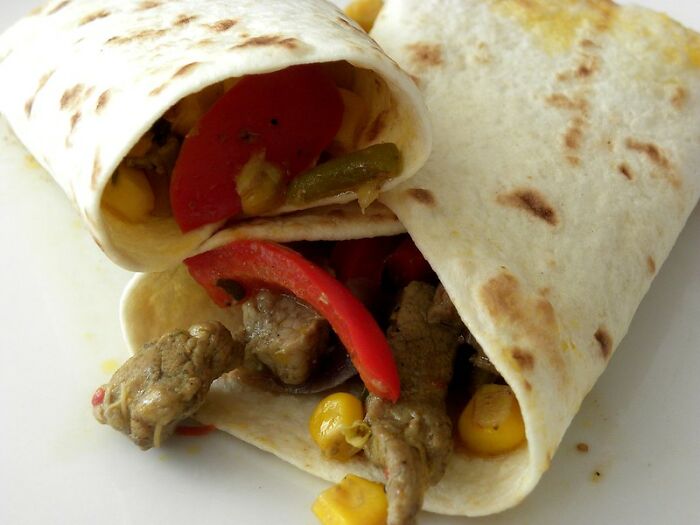 English should definitely have a word that's not "spicy" or "hot" to describe capsaicin's flavor/effect on your mouth. "Picante" is the word we have in spanish for it
Picante has actually been adopted into the English language because "mild but spicy" is such a clumsy expression.

A number of Spanish words which refer to a broad category have been brought into English to denote a specific member thereof. Queso, Spanish for cheese (any cheese), in English has come to mean that melted white cheese, typically Monterey Jack, that they serve in Mexican restaurants to dip your chips in. Sombrero, Spanish for hat (any hat), in English means a type of wide-brimmed Mexican men's hat.
Load More Replies...
We do have a word in English...piquant. We started using it in the early 16th century.
Pikáns .... it's used in hungarian too, but not just for food. Is also used to describe a bit of frivol situation, story or happening.


In the north of Mexico we call that flavor "enchiloso". I like to tell my southern friends it makes more sense because food doesn't have "picos", which is more related to sharp objects. Food has "chiles" so it's very or mildly "enchilosa".
 Simple one. Te amo in spanish means i love you.
Te quiero means i love you as a friend.
In english you use the same word for different things. You can say i love you to a friend, but i would never use te amo in that case.
Simple one. Te amo in spanish means i love you.
Te quiero means i love you as a friend.
In english you use the same word for different things. You can say i love you to a friend, but i would never use te amo in that case.




Ancient Greek had several different words meaning "love" because they understood there are different kinds of love - romantic love, fraternal love, platonic love, etc.
I have seen 'te quiero' used as 'I love you' many times in Spain. I believe it is the usual way to say you love someone. Is 'te amo' more latino maybe?

yes, it is. in Spain "te amo" is only used in a very romantic context,
Load More Replies... German has "Ich liebe ..." (I love ...) for romantic situations and taste preferences from movies to holiday destinations. And then there is "Ich habe dich lieb" for relationships from parents and children to (again) romantic partners.
Hold on! If I learned anything from all those telenovelas in the nineties, this is not right🤔🤔🤔 Just ask Enrique Iglesias 🤨 (Bailamos)

In Spain we use more “te quiero” as in romantic love a d friendship or brotherly. “Te amo” it’s of course the same but it’s not used that much.
Load More Replies...  Swedish
Skadeglädje=German,Schadenfreude=to be happy when something bad happens to other.
Swedish
Skadeglädje=German,Schadenfreude=to be happy when something bad happens to other.

"Happiness at the misfortune of others." That IS German! (I know firsthand)

Schadenfreude pretty much has been absorbed into the English language and is used now.

In Finnish: vahingonilo (means the same thing as Schadenfreude) Also, there is technically a word in English that describes this, to a degree : "epicaricacy", (EG: "after watching that idiot fail, my epicaricacy knew no bounds" ) but it's not a widely used word at all.

Ukrainian: "зловтіха", Russian "злорадство". Both literally mean "evil enjoyment"



In Sweden we also have a saying including this word. "Skadeglädje är den enda sanna glädjen". Somewhat translated it means "the happiness you feel when others fail is the only true happiness"

Schadenfreude gets used in the US; there's even a song about it from the musical Avenue Q
Despite the fact that the universal trend in the development of most languages of the world is their constant simplification, new words appear literally every year and in large numbers. So please feel free to read this list to the very end, try to remember the best words from this selection and probably add your own examples in case English isn't your native language. And who knows, maybe in several years some words from this list will become a tradition for English, because the practicality and beauty of the language are the most important thing.
 “Saudade”
it has a similar meaning to “miss you” but we have a direct translation for that “senti sua falta”, saudade has more of an emotional feel to it, it’s really hard to explain, it’s deeper than simply missing someone
Btw I’m Brazilian so the language is Portuguese
“Saudade”
it has a similar meaning to “miss you” but we have a direct translation for that “senti sua falta”, saudade has more of an emotional feel to it, it’s really hard to explain, it’s deeper than simply missing someone
Btw I’m Brazilian so the language is Portuguese

It's also used to express that nostalgia feeling. You can feel saudade of a long time gone, of some food or taste, of something and so on.
There is a similar word ( similar in meaning) in Galician, a regional language from the north of Spain: morriña. It's a mixture of nostalgia, homesickness, sadness, missing a person, a place, a moment long ago...
 croatian: vukojebina
it describes a place that is far away from civilisation. It means sth like where the wolves f**k.
croatian: vukojebina
it describes a place that is far away from civilisation. It means sth like where the wolves f**k.

Same in French, except we make it the as*hole. Le trou du cul du monde.
Load More Replies... In Polish, we have some nearly poetic phrases for it. "Gdzie diabeł mówi dobranoc" - where the devil says goodnight; "gdzie wrony zawracają" - where the crows turn back; "gdzie psy dupami szczekają" - where dogs bark with their a*s.
Gdje je vrag rekao laku noć - we have that too in Croatian 😁
Load More Replies... Culandia or Culis Mundi (the butt of the world) Dónde Cristo perdió el mechero (where Christ lost his lighter.
we say " in the middle of nowhere" although, i understand the direct meaning LOL
In Denmark we might say "på Lars tyndskids marker" which roughly translates to "in the fields of Lars Diarrhea" tyndskid directly translates into "thinshit"


In italian we have "In culo ai lupi" (in the a*****e of the wolves), "A casa di Dio" (At God's Home), Culandia ("A******s' land")
Serbians use the same expression, but if you want to go potty mouth you'll use pička materina which means "mother's private parts", we'll sometimes say 3 mother's private parts to make it even further
Don't forget "lepe" so they don't get offended 😁😁 and don't you just love how BP doesn't censor it?
Load More Replies... Parts of Belgium say: "In het hol van Pluto", or in the a*s of dwarf planet Pluto.
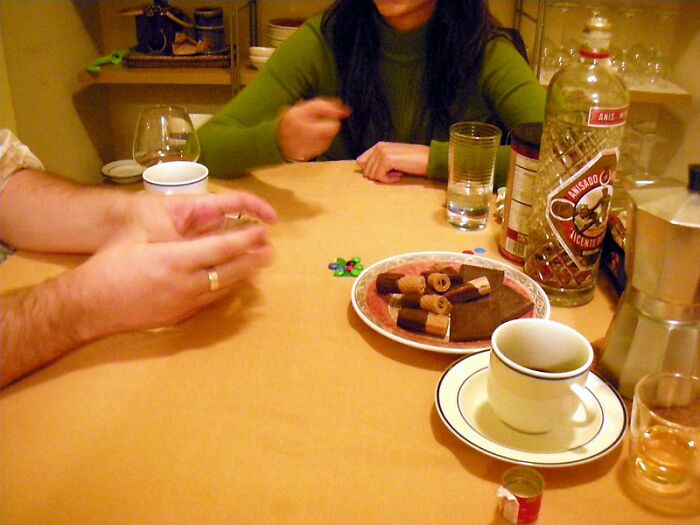 Sobremesa (Spanish): after a meal when you sit around the table talking.
That's the best part - why don't we have a word for it!
(Note: Spanish is not my native language, but I do know quite a bit).
Sobremesa (Spanish): after a meal when you sit around the table talking.
That's the best part - why don't we have a word for it!
(Note: Spanish is not my native language, but I do know quite a bit).
We call this '5 minutes before my sister melts down because someone asked her if she has a job yet', but Sobremesa works too.



I miss this so much. It seems like it's extremely rare in the culture of the parts of the US I've lived in. Especially now.

In Dutch there is a word for this: "natafelen". ('Na' means 'after' and 'tafelen' is an expression for having a fine meal.)
 Japanese has loads of words that require entire sentences to explain in English. My favorite of all time is *tachiyomi*, which means "standing at a newsstand reading something without any intention of paying for it".

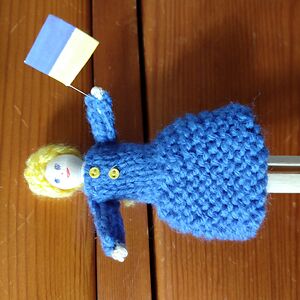
Close but I feel that browsing still holds out the possibility that you might buy ?
Load More Replies...


Words tend to be created to meet the need: so, this must be a regular thing in Japan, to browse the newsstand without buying.
 Dunno if it exists in other languages, but my god we need two versions of 'we'
we = me and you
we = me and my buddies, but not you
Dunno if it exists in other languages, but my god we need two versions of 'we'
we = me and you
we = me and my buddies, but not you

Indonesian have that. "Kami" does not include you, and "kita" for all of us including you. But even Indonesians often use the two words incorrectly.
I once read that two versions of "we" exist in Quechua (don't know the language yet, so can't explain)

Not to be confused with the English Royal We, when one person is suddenly We.

Vietnamese has this. Chúng ta includes the person being spoken to, while chúng tôi does not.


It does exist in other languages. At the moment I can't think which languages, but I remember watching a video about it and thinking "that makes a lot of sense".

I thought that's just "we" and "you (plural)"?
Load More Replies... 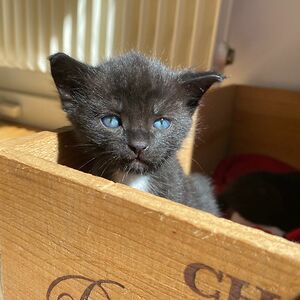
That's just the nominative and accusative cases (or subject/object if you prefer). It's only really with pronouns, and these days almost exclusively personal pronouns, that English distinguishes between the different cases,
Load More Replies... 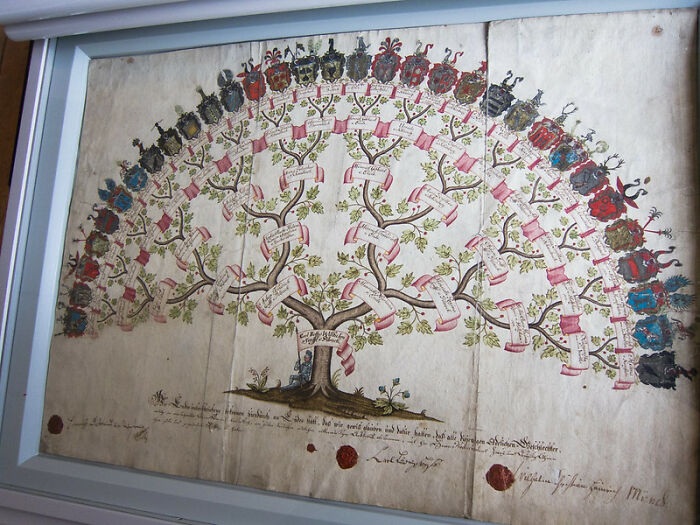 English doesn't define cousins as clearly as my native language. We have different names for each parent side, the generation, related by blood or marriage.
I'm from Alabama. I try not to ask too many questions about how I'm related to cousins.
I wish English had separate terms for wife's brother and sister's husband. Particularly as they are both called David

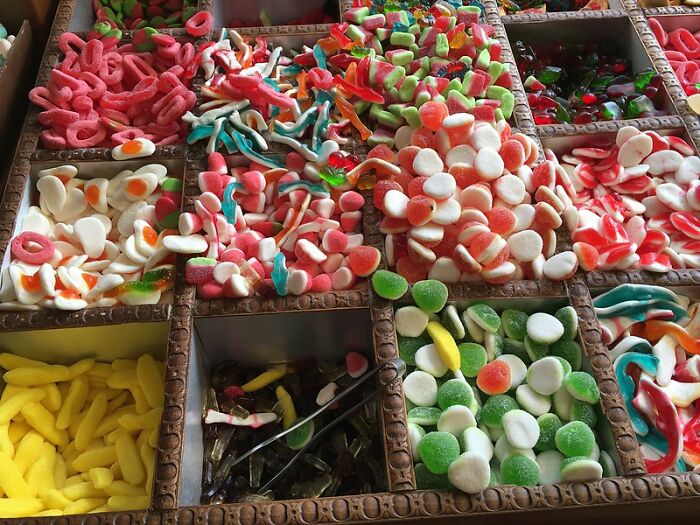 Empalagoso (when something is too sweet that you get kinda yucked out)
Sobremesa (relaxing at the dinner table after eating with conversation)
Cabron/a
Empalagoso (when something is too sweet that you get kinda yucked out)
Sobremesa (relaxing at the dinner table after eating with conversation)
Cabron/a
English does have a word for empalagoso. It’s “cloying.” Maybe not perfect, but it does convey the same thought.

Empalagoso in Italian is "allappante". Just in case someone needs it.
Empalagoso = "giung" in Sundanese (local dialect from western Javanese, Indonesia)
I waaaant that caaaandy *floats in air like garfield*
Load More Replies... 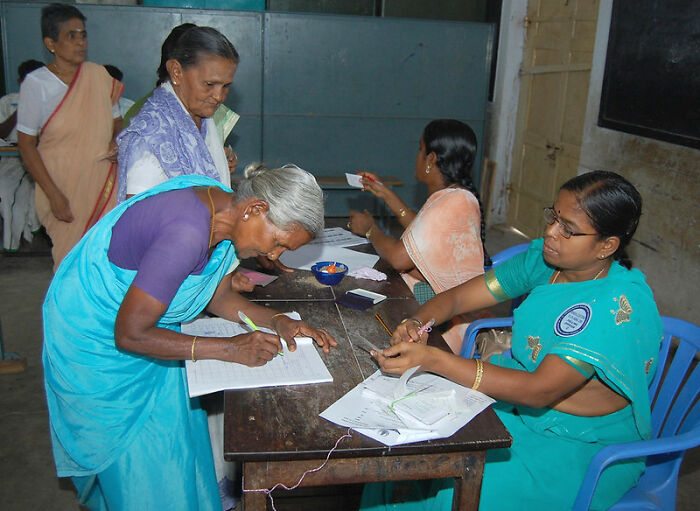 Different words elder brother, elder sister, younger brother, younger sister. Anna, Akka, Thambi, Thangachi respectively. In my country everyone calls literally everyone else, except family, using these words, regardless of station/class/hierarchy. But really older women are exceptionally called Amma (mother).
Edit: Language name is Tamil.
Different words elder brother, elder sister, younger brother, younger sister. Anna, Akka, Thambi, Thangachi respectively. In my country everyone calls literally everyone else, except family, using these words, regardless of station/class/hierarchy. But really older women are exceptionally called Amma (mother).
Edit: Language name is Tamil.

In Bulgarian we also have words for older sister - "kaka" / "кака", older brother : "batko" /"батко".
 Lagom (swedish)
It means not bad, and not too good. Just an average between. A very neutral word.
For example, when you wash your hands, the water should be lagom hot. Not cold, not scalding hot. Just lagom.
Lagom (swedish)
It means not bad, and not too good. Just an average between. A very neutral word.
For example, when you wash your hands, the water should be lagom hot. Not cold, not scalding hot. Just lagom.
Yes in this occasion. But you can use the word at other instances. Like " -how much milk do you want in your coffee? - lagom" (as in not too much or to little, it's a bit of a guessing game for the pourer)or "-how soft is your bed? -lagom? (Not too hard or to soft for the person having it)
Load More Replies... 



Our words are specific to water which is as Ima says. For other areas it could mediocre;
 Gigil? It's when something's so cute you get this sort of feeling of violence? I don't think I'm explaining it right. Kilig is also a similar feeling, but that one is for love; something's so romantic it gives you goosebumps? Or makes you giddy.
That word defines the feeling you have when you see a baby so cute and adorable you want to eat them up.

I remember getting this feeling when I had my daughter! It really is a thing. I still just want to bite her sometimes lol
Load More Replies... Maybe "gemas" in Indonesian. Definitely not like you want to eat a really cute baby or kitten, but like you wanna squeeze or pinch them hard because they're too adorable.


Honestly, I don´t get that one. Why would you get feelings of violence when looking at something cute?
I have this phenomenon. Despite how it probably sounds, it’s not considered a sign of psychopathy/mental illness but is instead surprisingly normal (comes from our brains trying to deal with overwhelming stimuli) and people don’t necessarily act on it. If you get an urge to pinch a cute baby’s cheek or tightly hug your cat, you have ‘gigil’.
Load More Replies...  Outwith. It’s a word in Scots but not in English. It means beyond the bounds of something- the nearest English equivalent is ‘outside’ but it doesn’t mean the quite same thing

I'm English, and I use it occasionally. Usually when I'm talking about something being "outwith my area of responsibility" or "outwith my area of expertise." So basically, it's nothing to do with me, and I know nothing about whatever it is.

It's a perfectly good English word. Maybe in more common modern usage in Scotland, but that does not make it a Scots word per se.


It's definitely used in Scots and originated in Scotland and confuses a lot of people when you say it. It may be catching on elsewhere but it's origins are in Scotland. It's now been extended into being an "outwither" which means a non binary person as they're outwith the gender norms. I think it's a much better word for it.
I mean... its an English word and its used pretty frequently in all parts of the UK so...
There is a different sense to it if my in-laws are correct. The Scots ones use it occasionally, such as "He's off on a trek outwith." (Meaning he's not in Scotland, usually!)

Scot husband uses it. Best way i can describe it is: sort of the opposite of within
Without means an absence of something. It also means somewhere outside.
 见外 (jiàn wài) - the sentiment is that a good friend is using the same level of politeness with you that you'd expect from a stranger, not someone of your closeness.
Like if your friend forgot their wallet at lunch so you pick up the check, and they promise to make it up to you, you might tell them to stop acting so polite, of course you're happy to pay for lunch because you're best friends.
见外 (jiàn wài) - the sentiment is that a good friend is using the same level of politeness with you that you'd expect from a stranger, not someone of your closeness.
Like if your friend forgot their wallet at lunch so you pick up the check, and they promise to make it up to you, you might tell them to stop acting so polite, of course you're happy to pay for lunch because you're best friends.

 In my native language (I am sure in many more) there are terms for the day after tomorrow and the day before yestrday. Like english what the hell. You need that. Bruh, in my language there is a world for TWO days after tomorrow or TWO days before yestrday.
I mean english has a word for throwing someone out of a window but not this. Cmon.
Edit: there is also this great word that is: skršiti se.
It translates somewhere along the lines falling hard/falling abruptly. Idk when you say it in my language it means they fell really funny, but (most of the time didn't hurt them self). It's used in a funny context.
In my native language (I am sure in many more) there are terms for the day after tomorrow and the day before yestrday. Like english what the hell. You need that. Bruh, in my language there is a world for TWO days after tomorrow or TWO days before yestrday.
I mean english has a word for throwing someone out of a window but not this. Cmon.
Edit: there is also this great word that is: skršiti se.
It translates somewhere along the lines falling hard/falling abruptly. Idk when you say it in my language it means they fell really funny, but (most of the time didn't hurt them self). It's used in a funny context.
In German we simply add another »über« to the day after tomorrow, which would be »übermorgen«, and therefore »übermorgen« turns into »über-übermorgen«, the day after the day after tomorrow......wait, the day after the day after tomorrow?!?! 🤭
I think defenstration is a cobbled together word by someone who wanted to sound classy. Pratfall may be close to your word, except it might have the sense of being done on purpose for laughs.
In Italian the day after tomorrow is "Dopodomani" dopo = after, domani = tomorrow. Very useful. I see "overmorrow" is an actual word in English, but I have never heard it or read it anywhere before today, so must not be in widespread use. I say let's use it more!


In Indonesian, the word is lusa. Besok lusa means the day after tomorrow. Kemarin lusa means the day before yesterday.
but yet the UK has the word "fortnight" that isn't used in other dialects of English iirc. I'm curious if other languages have a word that means "two weeks" like that, other than just saying the equivalent translation of "two weeks"?

I get so confused by americans using bi weekly fkr fortnightly.. like no, bi weekly is twice a week. Fortnightly is every other week
 Gatvol (Afrikaans) - can't be properly translated into anything as everything you try is too tame. Something along the lines of being really fed up but much more expressive
Afrikaans has lots of beautiful words that have no direct English equivalent. It is also quite a guttural language, so the letter g is pronounced as if you were clearing your throat to hack up some phlegm.! Another great word is "dikbek" which sort of means pissed off/grumpy/displeased all rolled into one.
Dikbek :') In Dutch this would be a perfect word to call someone you hate (or a very good friend you're roasting)
Load More Replies...

 The French word "chez" as in "Chez moi" roughly translates as "Place" but it is soooo much more versatile.
The Tahitian word "ma" as in "ona ma" is a word used to refer to a person and everyone with them. I've heard it described as "posse" in English, but that doesn't really do it justice.
The English word "get" needs to be adopted by every other language. I mean, what other language just has a catch-all for verbs? It can be used as a substitute for the following:
-to become
-to come
-to have
-to grab
-to understand
-to stand
-to go
and so much more
If you know how to conjugate and use "get" it's like a cheat code for the English language.
The French word "chez" as in "Chez moi" roughly translates as "Place" but it is soooo much more versatile.
The Tahitian word "ma" as in "ona ma" is a word used to refer to a person and everyone with them. I've heard it described as "posse" in English, but that doesn't really do it justice.
The English word "get" needs to be adopted by every other language. I mean, what other language just has a catch-all for verbs? It can be used as a substitute for the following:
-to become
-to come
-to have
-to grab
-to understand
-to stand
-to go
and so much more
If you know how to conjugate and use "get" it's like a cheat code for the English language.

🤔 well... "chez" is a preposition meaning "at". So I don't really know if this counts as "roughly translates as place"
More complicated than that. Chez someone or some people primarily means at that person's, or those persons' place, or business, but as OP said, it's very versatile and can have many nuances.
Load More Replies... The French word Chez is more like 'at'. Chez moi = at my (home/place), chez le boulanger = at the bakery.

Whenever I see the word "chez", I always think of the restaurant "Chez Paul" from the Blues Brothers movie - such funny scenes! XD
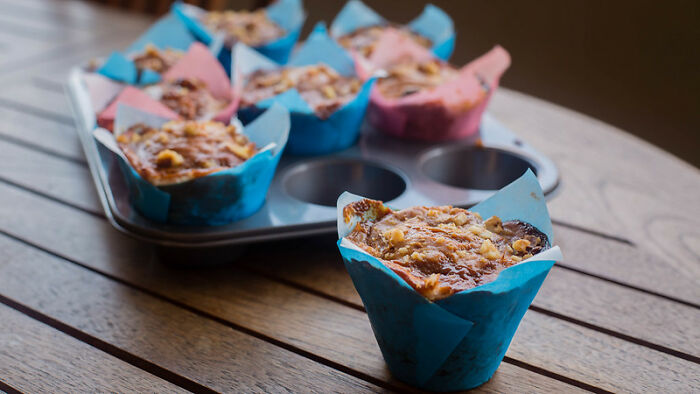 In norwegian we have "pålegg" which basically is toppings you have on bread like cheese, salami and even f**in spreads like nutella, nugatti and even f**in peanut butter I don't think butter itself counts as pålegg as it's technically just this extra thing you put on before the pålegg itself
Is this one of those "Guess if it is an IKEA name or a swear word" quizzes again?🤨
Heck, I don’t think butter even counts as smørepålegg (spreadable pålegg). Butter is far too ubiquitous to need inclusion!
We would call them toppings if it's things like cheese and lettuce, but spreads are just called spreads
 Voilà
Voilà
eh, this one has kinda just been adopted into English, though. or in english use "tah-dah!" too
If you call adopted being forced to speak Norman French as the official language for several centuries post 1066. Sure, we adopted it.
Load More Replies... 

made me think of 'voici' = voir + ici for 'look here'
Load More Replies...
Reminds me of the Russian VOT (BOT) meaning "here it is" or "there it is", "behold"
 Ohrwurm is german is wordly translated as "earworm"
When a song plays in ur head over and over again and u cant turn it of u have an Ohrwurm
Ohrwurm is german is wordly translated as "earworm"
When a song plays in ur head over and over again and u cant turn it of u have an Ohrwurm

Same in English .... My favourites are ' I can hear it coming in the air tonight ' by Phil Collins - including the dum dum dum dum ta dum on the drums and 'Billie Jean' by Michal Jackson. I thank you, you will have those tunes in your head for at least 3 hours ... tee he, I'm a bad man.
C**p - thank you for giving me an earworm...
Load More Replies... For a long time getting certain Taylor Swift songs stuck in my head was a warning sign I was about to have a migraine. Just to clarify hearing the songs didn't trigger the migraine but instead my brain would get stuck on one for hours before I'd come down with a real bad one.
They stay in my head for days on end... Rocketman was in my head for 5. But its still one of my favorite songs so that time I didn't mind
uhm I woke up to Rocketman thuesday...I don't even know how
Load More Replies... I was at work and a childrens song was driving me nuts - A is for apple, B is for bed, C is for the crown you wear on your head - at one point someone asked me what I was singing...
I sometimes randomly get earworms from youtube videos. Like, I once watched a video where a cat sat in front of a wall before pushing itself off the wall to pounce at something. Some dude voiced over it like :" I am the fastest fluff-boy. oh yeah, the fastest fluff-boy." and now I occasionally get that stuck in my head.
Chewing gum or other things is meant to help you get songs out of your head
 Other words to express love … (not my native tongue) but Greek has it right
‘I love you’ is so fraught with unnecessary pressure and a singular meaning
Other words to express love … (not my native tongue) but Greek has it right
‘I love you’ is so fraught with unnecessary pressure and a singular meaning
 Not my native tongue, but I love "luce" in Farsi (Persian). It basically means intentionally acting all cutesy/precious/coy because you think it's appealing.
There were so many sorority girls it applied to.
Not my native tongue, but I love "luce" in Farsi (Persian). It basically means intentionally acting all cutesy/precious/coy because you think it's appealing.
There were so many sorority girls it applied to.
Farsi is one of my favorite languages to hear spoken out loud.
Nee, eher ankumpeln...und nicht zu verwechseln mit Charme...
Load More Replies... 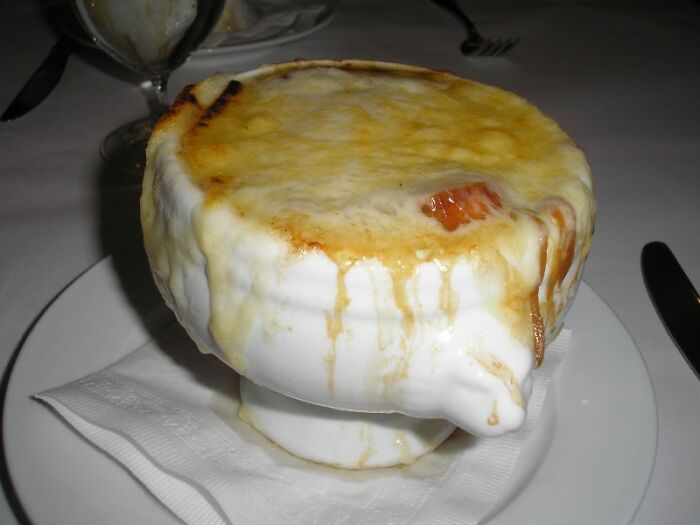 Gratiné: covered with cheese and broiled until golden. Garlic bread gratiné.
 "Doch" - missed every single day

It’s a german word with lots of meanings in different contexts. Just copying a random link describing some of it’s many uses: https://www.germanmind-method.ie/post/how-to-use-the-german-word-doch
Ha! No, I guess OP meant that they miss this word every day. "doch" has several meanings, depending on context, but the most missed one is likely something like "yes, despite opposition" as in "You didn't do your homework!" - "Doch!" or "Now that the weather had cleared Tom could doch go camping". (it can also mean "but" or be used as an emphasizer like "you just lied doch to me"/"that's doch brazen!")
Load More Replies...  Feierabend - German for the end of a workday
 "Załatwić " in Polish.
It means to get something done using connections/ persuasion/ back room dealings.
"Załatwić " in Polish.
It means to get something done using connections/ persuasion/ back room dealings.
I’m guessing a lot of Eastern European languages probably have similar words for “getting it done” that also imply special connections and/or payoffs. Definitely not meant to be insulting, but historically this was/is a fundamental part of getting things done in their economies…
Patronising. I mean, your post is patronising in one sense of the word, but the other sense matches fairly well the description, which is by no means exclusive or limited to "Eastern European" economies. Far from it.
Load More Replies... Huh, here I thought it was "finagle"... 🧐 need to consult my dictionary...
Load More Replies...  In spanish we have the verbs “ser” and “estar”, which are two very different verbs, and they both are translated to “to be”. Idk what’s up with that.
Ser means to be as in existence. Estar means to be as in location or temporary state of being.
 24 hours. In English you just call it "day"
But in my native language we have one more word besides "day"
24 hours. In English you just call it "day"
But in my native language we have one more word besides "day"
Nychthemeron - is a period of 24 consecutive hours. It is sometimes used, especially in technical literature, to avoid the ambiguity inherent in the term day.

English needs a word for "even though I love my family, I'm overjoyed to have the house to myself".

The French word "con". Substantive or adjective but always expletive. Not really polite, but accepted., especially in some southern regions of France, where it's mostly just punctuation. Originally meant female genitalia, but is never used that way any more. Mostly means dumb or stupid, but can have à variety of meanings, depending on who says it, to whom, in which tone, and with what adjective added to it. "Vieux con" is an old f*rt, "petit con" is a little pr*ck, "gros con", "sale con" and " connard" all mean as*hole. "Ça, c'est con!" means "tough!" and can be either commiserating or ironic. "Pauvre con!" is angrily contemptuous. "Connerie" can mean a bad mistake, a state of extreme stupidity, or just bulls*hit. And the derived verb " déconner" means " to f*ck up".
The English language C word also has a multitude of meanings including many of the above, but can also be used in an almost affectionate way among close friends. e,g, "You jammy c* " in colloquial British and Aussie English.
Load More Replies...
I've always loved the German word "Fahrvergnügen" which translates to "joyride".

Wait, is that really what it means?! There's a horse with that name in Robin Hood: Men In Tights but I never considered it had an actual translation.
Load More Replies... One that both Serbs and Greeks use is bre/vre/re - it does not translate. It is used in informal conversation when you're trying to stress the words you're using, something along the lines of the English "f*****g" as used in a sentence like "this if f*****g Sparta" but it is not a cuss word per se, only if you use it in a sentence like that. So you'll say "this is Sparta bre/re!". And it does not really correlate to the use of bro, because saying bre isn't always referring to a person

Gezellig, lekker, afbellen en afblazen, voorpret, plaatsvervangende schaamte, leedvermaak.


The languages with a strong root to German languages - the Scandinavian languages, german and other has lots of word that can be a bit daunting to a English speaker. We have a strong tradition of composed word - way more then the English and languages that came from Latin.
This was HORRIBLY researched. English has words and phrases for most of them.
Told this story here before but here we go; a Swedish friend once told me there was a word in Swedish for ‘making a mark with a penis’, it’s possible she was winding me up as she was a real joker, wish I could remember the word though as she’s no longer here to ask, it’s one of those things that is going to big me for the rest of my life, so any swedes out there help a girl out haha
English needs a word for "even though I love my family, I'm overjoyed to have the house to myself".
The French word "con". Substantive or adjective but always expletive. Not really polite, but accepted., especially in some southern regions of France, where it's mostly just punctuation. Originally meant female genitalia, but is never used that way any more. Mostly means dumb or stupid, but can have à variety of meanings, depending on who says it, to whom, in which tone, and with what adjective added to it. "Vieux con" is an old f*rt, "petit con" is a little pr*ck, "gros con", "sale con" and " connard" all mean as*hole. "Ça, c'est con!" means "tough!" and can be either commiserating or ironic. "Pauvre con!" is angrily contemptuous. "Connerie" can mean a bad mistake, a state of extreme stupidity, or just bulls*hit. And the derived verb " déconner" means " to f*ck up".
The English language C word also has a multitude of meanings including many of the above, but can also be used in an almost affectionate way among close friends. e,g, "You jammy c* " in colloquial British and Aussie English.
Load More Replies... I've always loved the German word "Fahrvergnügen" which translates to "joyride".
Wait, is that really what it means?! There's a horse with that name in Robin Hood: Men In Tights but I never considered it had an actual translation.
Load More Replies... One that both Serbs and Greeks use is bre/vre/re - it does not translate. It is used in informal conversation when you're trying to stress the words you're using, something along the lines of the English "f*****g" as used in a sentence like "this if f*****g Sparta" but it is not a cuss word per se, only if you use it in a sentence like that. So you'll say "this is Sparta bre/re!". And it does not really correlate to the use of bro, because saying bre isn't always referring to a person
Gezellig, lekker, afbellen en afblazen, voorpret, plaatsvervangende schaamte, leedvermaak.
The languages with a strong root to German languages - the Scandinavian languages, german and other has lots of word that can be a bit daunting to a English speaker. We have a strong tradition of composed word - way more then the English and languages that came from Latin.
This was HORRIBLY researched. English has words and phrases for most of them.
Told this story here before but here we go; a Swedish friend once told me there was a word in Swedish for ‘making a mark with a penis’, it’s possible she was winding me up as she was a real joker, wish I could remember the word though as she’s no longer here to ask, it’s one of those things that is going to big me for the rest of my life, so any swedes out there help a girl out haha
































 No fees, cancel anytime
 then open in external browser


 and click "Open in External Browser"