Get Premium
Dark mode theme is available exclusively for premium users. Learn more about the benefits of subscribing.
No fees, cancel anytime.

 Dark Mode Ad-Free Browsing Unlimited Content
 Ad-Free Browsing Unlimited Content Dark Mode
Join 1.2 million Panda readers who get the best art, memes, and fun stories every week!

Getting fired in today’s brutal economy is an absolute nightmare, especially when you live paycheck to paycheck. Skyrocketing rent, basic household expenses, and competing against hundreds of applicants for a single position is overwhelming. These worries can keep anyone up at night — but what if your boss fires you for a completely asinine reason?
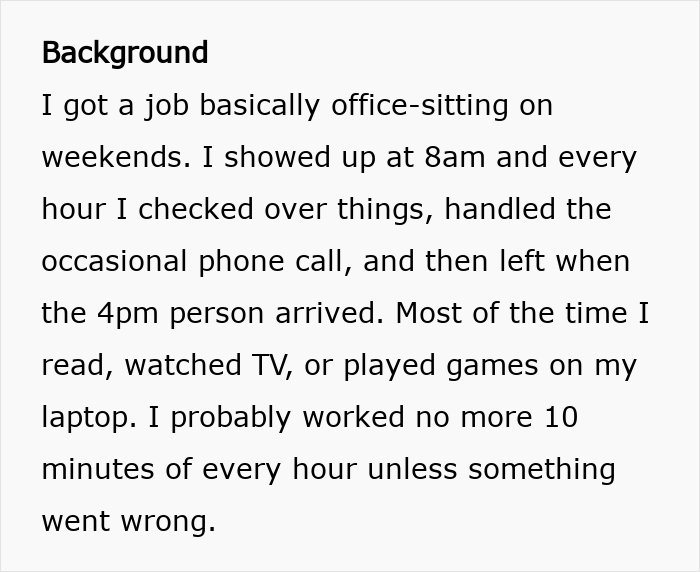
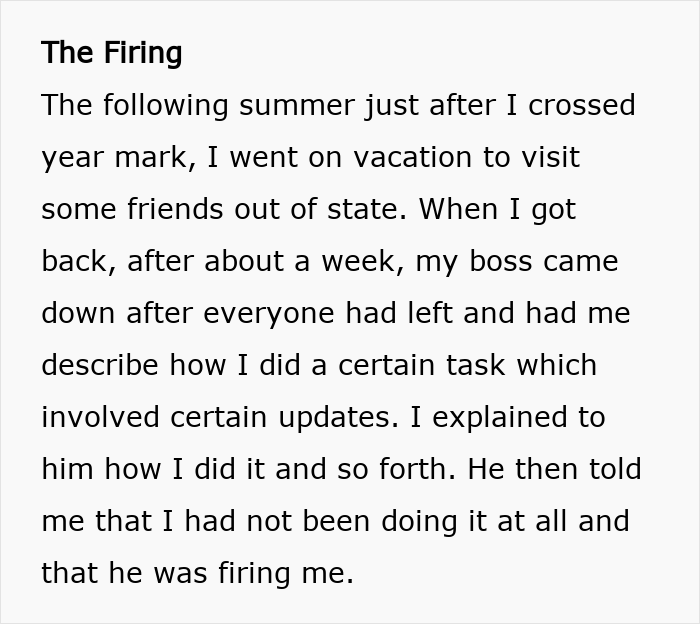
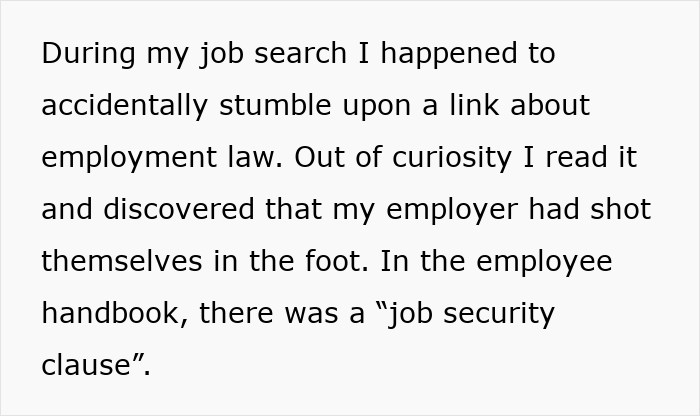
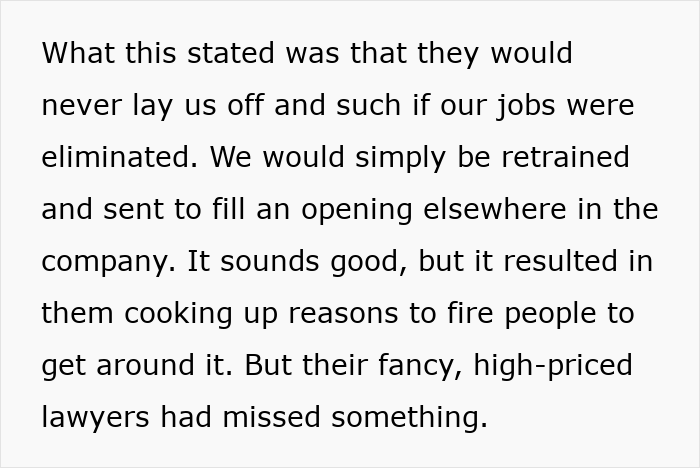
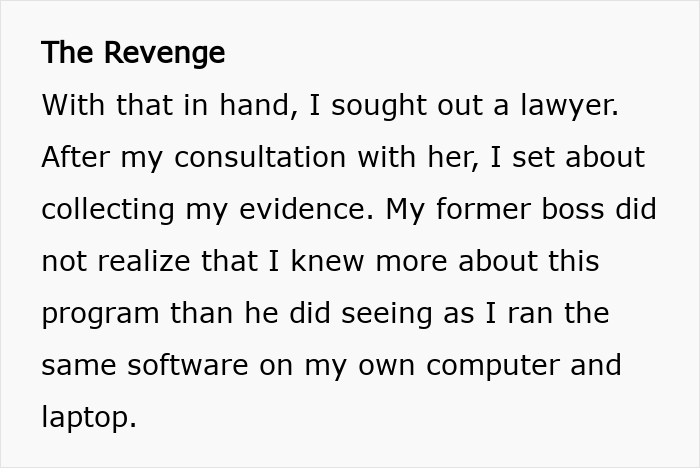
That’s what happened to one employee who got the pink slip for a minor software update error. But the company didn’t realize it picked the wrong person to mess with. Armed with a bit of tech know-how and research skills, this worker went full detective to find a legal loophole. Sharing the story online, the employee explained how corporate lawyers scrambled after realizing their mistake.
If you love stories where the underdog uses brainpower to crush corporate greed and get sweet payback, this one is for you.
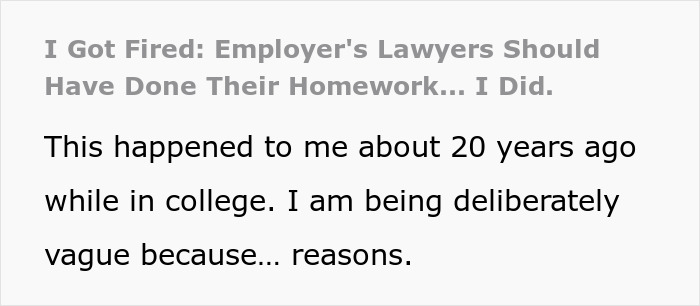
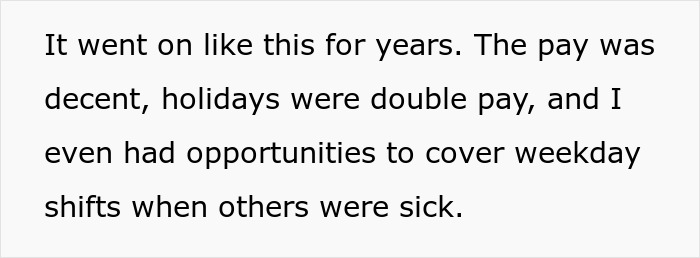
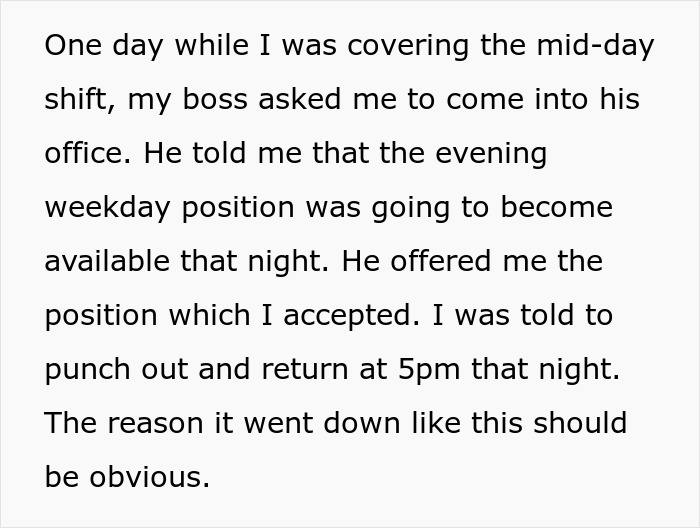
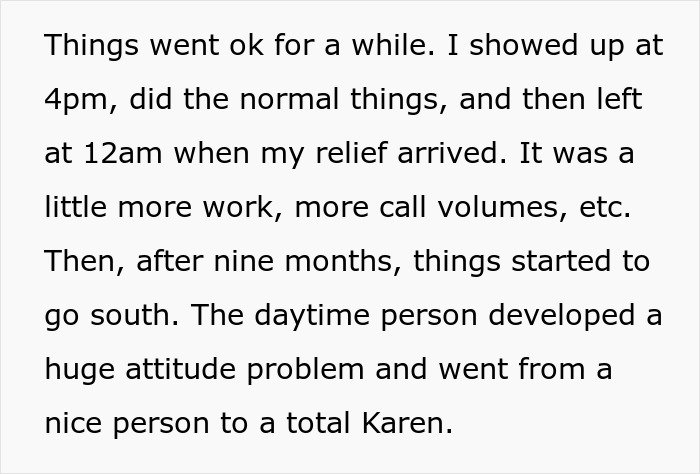
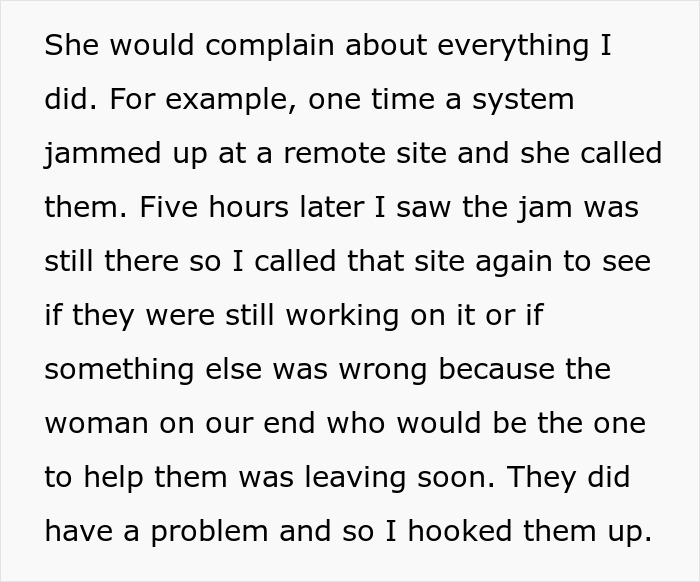
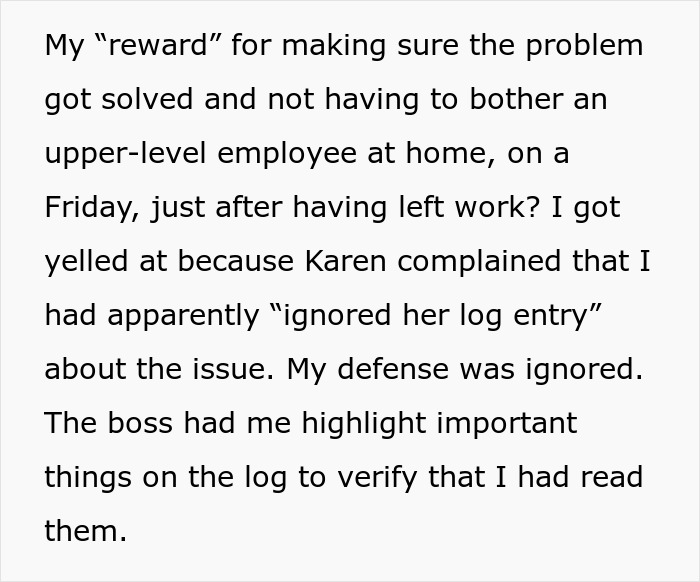
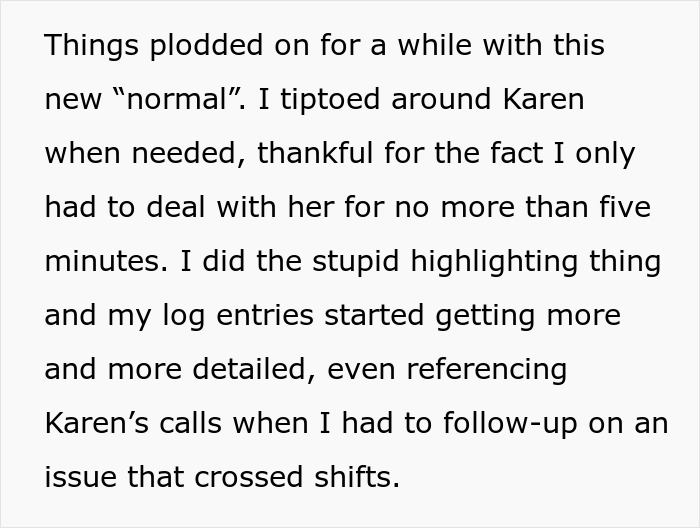
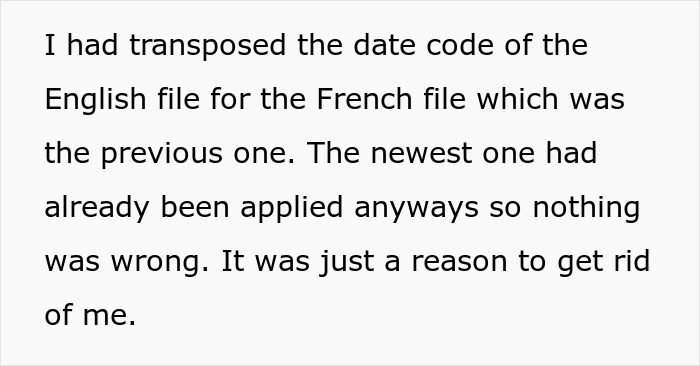
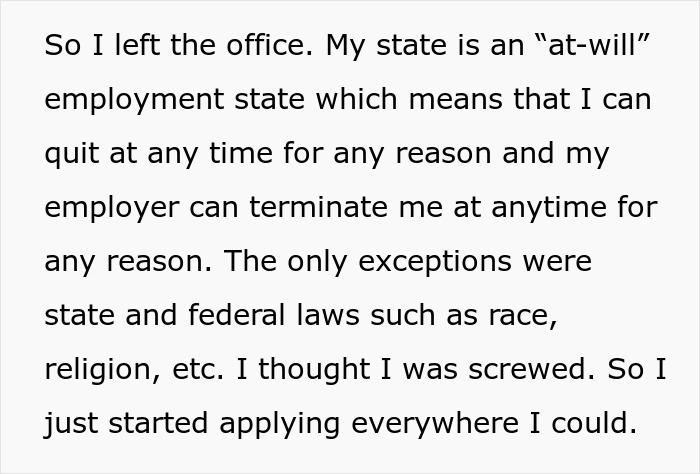
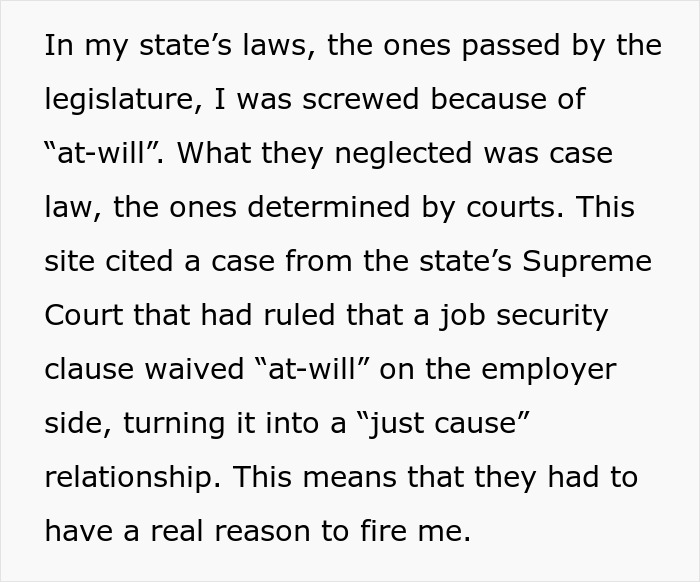
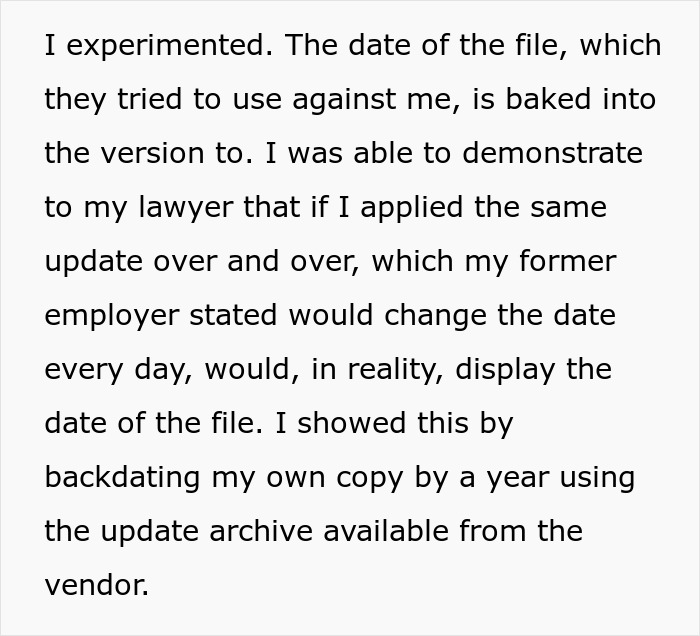
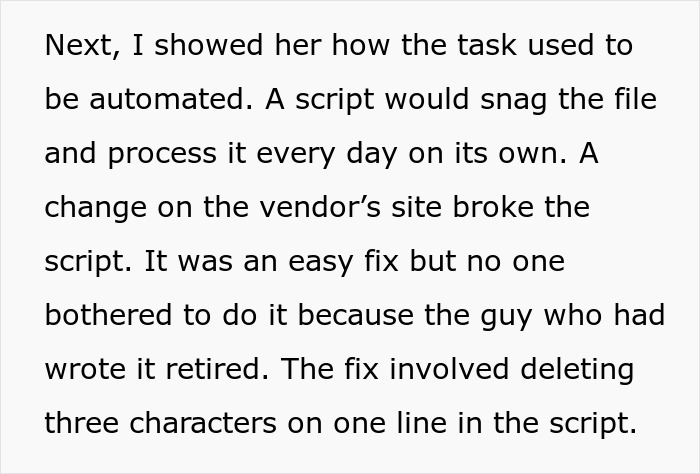
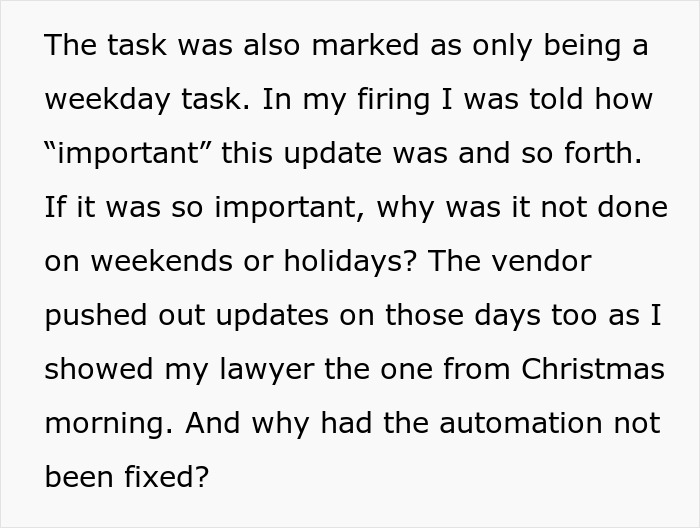
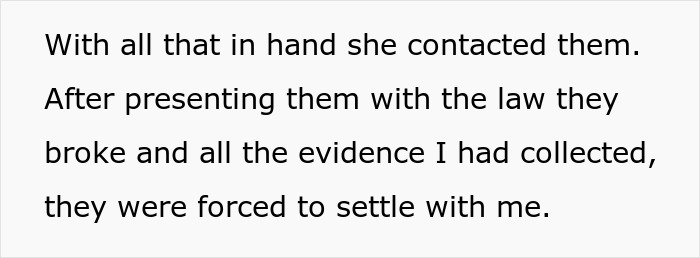
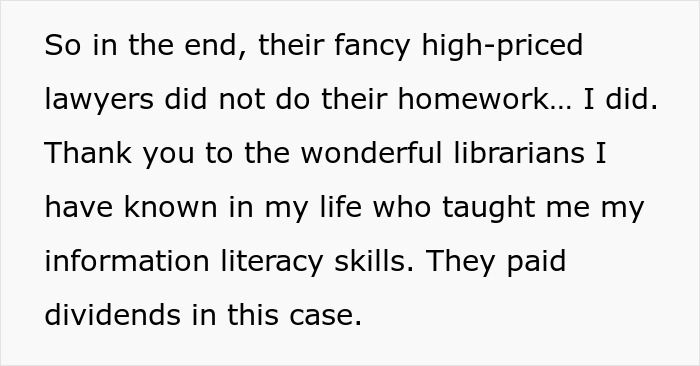
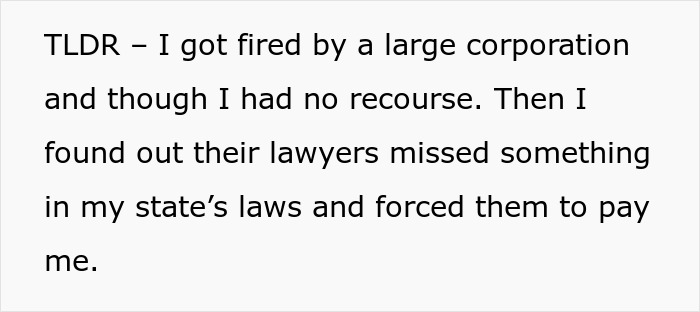
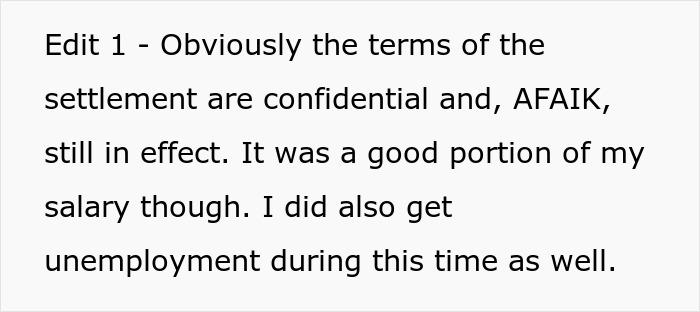
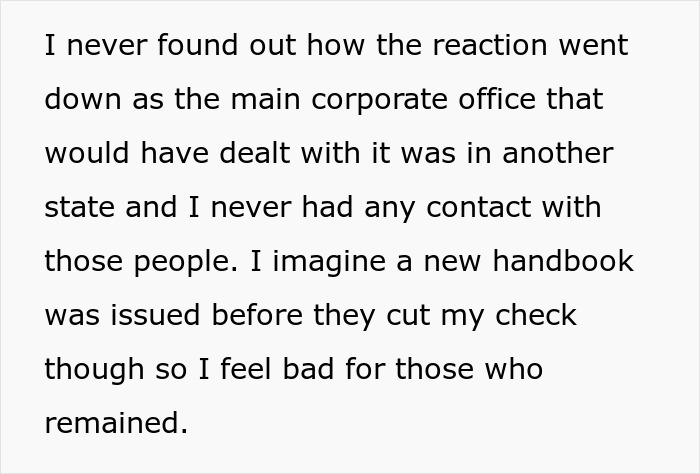
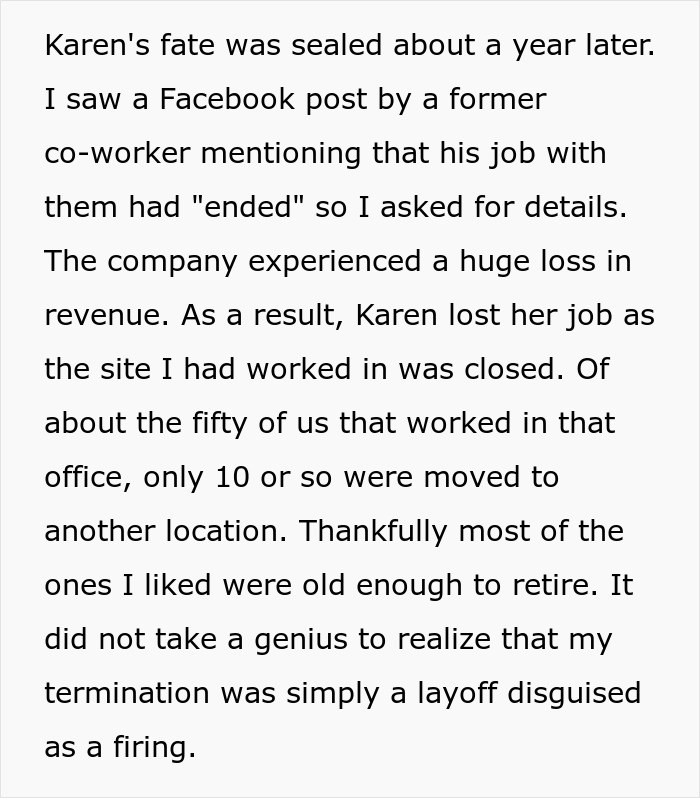
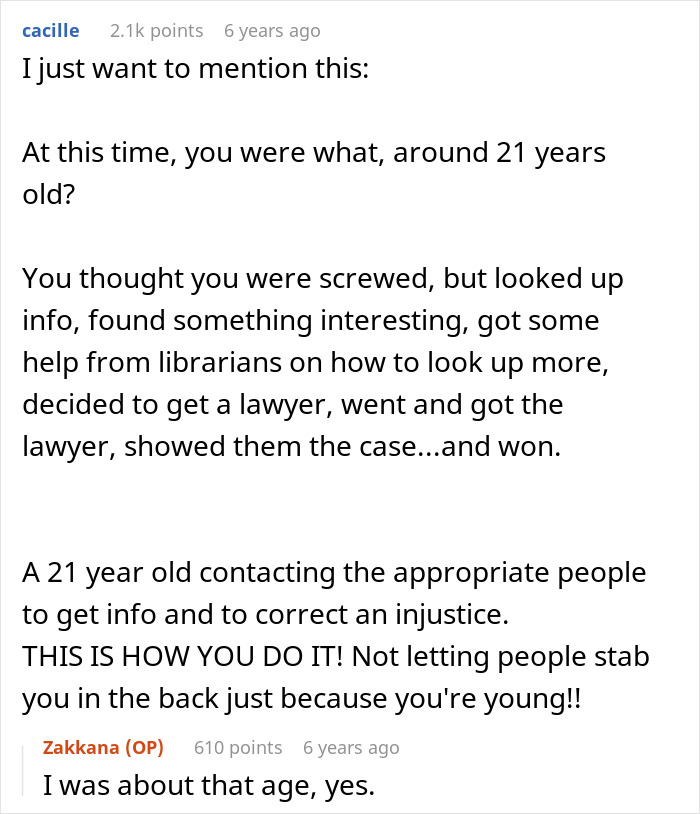
Even though this story gained traction on Reddit’s r/prorevenge, it is fundamentally a story about payback rather than vengeance. Payback is a direct, tit-for-tat response meant to settle a score and restore fairness. Revenge, on the other hand, is driven by a darker desire to inflict suffering out of pure spite. Where revenge seeks destruction, justice aims for resolution — and ultimately, closure.
That is why getting fired over a minor mistake hits so hard. You put in the years, do the work, and stay loyal, only to watch management weaponize a single slip-up.
But instead of walking away quietly, some people choose to take a stand. It is not about burning the company down out of spite — it is about holding toxic bosses accountable and refusing to be treated like disposable labor.
This instinct to balance the scales is deeply cathartic, and science explains why. When we experience unfair treatment, the brain processes that social betrayal in the anterior cingulate cortex and insula — the regions that register physical pain. To compensate, the brain’s reward circuitry lights up, flooding the striatum with dopamine at the mere thought of setting things right.
In short, payback is basically a hardwired neural impulse to eliminate pain and restore balance.
The financial reality of today’s economy makes those stakes even higher. With hiring slowing and job searches dragging on for months, losing a steady paycheck over a petty mistake immediately threatens your livelihood.
According to the Federal Reserve Bank of St. Louis, the number of American adults who are “not in the labor force” surged to an all-time high in June this year to 105.8 million.
To put how bad things are in perspective, the average time job seekers spend searching for work today rivals some of the worst stretches of the Great Recession and COVID-19 pandemic.
Equal Employment Opportunity Commission data shows tens of thousands of discrimination charges filed each year in the US. A massive chunk of it points to wrongful termination over age, race, or other protected traits.
The psychological blow hits immediately. Studies show that losing a job under unfair circumstances triggers severe anxiety, depression, and chronic stress. At the same time, the loss of income and healthcare quickly turns into debt, missed rent, and panic about basic survival.
To make matters worse, an unexplained resume gap — or a bitter former boss — makes landing that next role a nightmare. It erodes your confidence and hurts your long-term earning potential.
“Some people certainly are let go for being poor performers or for significant worrisome reasons; but in many cases, the reasons can be questionable (awkward interpersonal dynamics) or even completely impersonal or financial — ‘just business,’ as the cliché goes. But the stigma remains, and in turn, a person who is fired is often forced to keep the bad news to themselves in relative silence,” says psychiatrist Jean Kim, M.D.
This human toll explains why federal court filings for wrongful termination have steadily climbed over the last fifteen years in the US. Workers are finally learning their rights and refusing to take unlawful firings lying down.
Yet, court numbers barely scratch the surface. Most unfair dismissals go completely unreported because workers fear blacklisting, lack money for lawyers, or do not realize their firing was illegal. Employment law experts estimate the actual number of wrongful terminations is five to ten times higher than formal court filings.
Beyond the stats and this online story, real-world courtroom victories prove that workers can win.
The IBM age discrimination scandal is a prime example of corporate greed getting checked in court. Thousands of older employees were systematically pushed out to make the company appear “youthful — with internal emails revealing top executives explicitly discussing plans to make these so-called “dinobabies” extinct in favor of hiring millennials. When workers sued, IBM tried to shut the lawsuit down by forcing them into private arbitration using hidden clauses in their severance agreements. But IBM lost that legal gamble in 2025 and was forced to pay out millions to cover lost wages and damages.
“This is a win for workers. This decision affirms that companies like IBM cannot use opaque fine print in contracts to deny workers their day in court,” said Shelby Leighton of Public Justice, one of the attorneys in the case.
The biggest mistake disgruntled workers make after an unfair firing is assuming they have zero leverage. Out of fear, exhaustion, or embarrassment, millions of people sign predatory severance agreements or quietly pack their desks without question. But as this story and real-world lawsuits prove, corporate leaders are not invincible, and their legal teams often rely on your silence.
In a brutal job market and a tight economy, you cannot afford to play passive. Document everything, read your contract, and consult with an attorney before signing away your rights. Above all, stay curious and keep reading.




By entering your email and clicking Subscribe, you're agreeing to let us send you customized marketing messages about us and our advertising partners. You are also agreeing to our Privacy Policy.
Thank you! You've successfully subscribed to newsletters!





































 No fees, cancel anytime












33
0