Get Premium
Dark mode theme is available exclusively for premium users. Learn more about the benefits of subscribing.
No fees, cancel anytime.

 Dark Mode Ad-Free Browsing Unlimited Content
 Ad-Free Browsing Unlimited Content Dark Mode
Join 1.2 million Panda readers who get the best art, memes, and fun stories every week!


27submissions
Finished

Katy Milkman, PhD, is a professor at The Wharton School of the University of Pennsylvania. She’s also the host of Charles Schwab’s popular behavioral economics podcast Choiceology and author of How to Change: The Science of Getting From Where You Are to Where You Want to Be.
The best-seller describes the little things you can do to make a big difference in your life.
"How did Google become the great[est] search engine? Because it has this very efficient algorithm. It takes the path of least resistance. It looks for a fast solution. And that's what we do too. We prefer to choose the easiest way to achieve any objective," Milkman said.
"Most goals fail. And if you aren't strategizing and making plans and setting goals and figuring out what could stand in your way and using the best science-based strategies, you're not giving yourself the best chance at success."
So, we decided to dig a little deeper and put together a list of psychological "hacks" that people have tested themselves and reviewed positively online.
This post may include affiliate links.
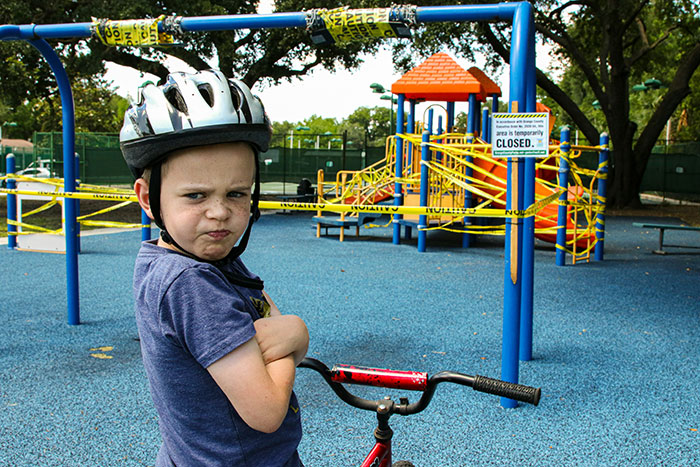 Best one for kids, and this works wonders for behavioral problems. You never say "don't do x." I had a terror child in daycare and people would yell at him for acting out. I would start each day by saying "You're going to be a good boy today!" And every time he acted out I would say "wait, you're my good boy right?" He would say yes and stop doing it. When his mom came to get him I made a point to of telling her how good he was. That child never acted out around me after a week.
 I used the "gray rock" method on my narcissist brother in law.
Basically, I made myself so dull and boring and the opposite of drama that he learned to avoid me at all costs. It worked like a charm, and only took 4-5 encounters to take effect.
 If you work with clients, prevent them from getting defensive and angry by not using the word "you".
It's not "you didn't send the attachment", it's "the attachment didn't send". Don't blame them, blame the thing you're talking about.
I take my time when I write emails to clients because I like to word things *just* right...one word can be the difference between a happy client and an unhappy one. The right words in the right order can influence people to make decisions you want them to make. Words are powerful.
 The concept of getting something for free completely derails a person's critical thinking skills.
My dad was tool distributor and drove a truck to various repair shops selling tools to mechanics.
He got an idea to start selling candy bars on his truck for one dollar. But you would get a free candy bar with every tool purchase.
Almost everyone who asked how much the candy bar was didn't want to pay a dollar for one, but they would buy a $100 socket set in order to get the candy bar for free.
 In an argument speak softly. It forces active listening which leads to active thinking. When they are listening and thinking they are not yelling, arguing, or talking.
 You want someone you just met to like you? Ask them open-ended questions about themselves. Don't wait for your turn to speak. Listen, and then ask a follow-up question based on what they said. If you do that a couple of times, that person feels heard and appreciated by you. If they realize they're doing all the talking, they'll apologize and ask a question of you. If your answer is short and pivots back into something they said, you have now formed a connection in their mind as a good listener who is interested in what they have to say. People like that a lot.
 If you have trouble motivating yourself to do something like learn a skill (instrument, language etc.) tell yourself "Ok, I'll sit down and do this for just five minutes"
A lot of the time you'll end up going for much longer than five minutes, but even if you don't it's still five minutes of practice in whatever the heck you wanted to learn in the first place.
 When you're walking through a crowded hallway, if you keep your eyes focused in the exact direction you're going, people will naturally clear out of your way because we sub-consciously use eye-contact with people in order to navigate around each other.
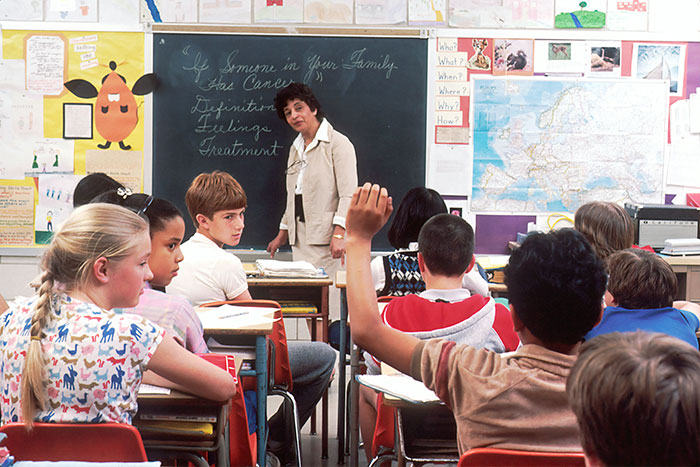 Giving students in my elementary class the illusion of choice. If you ask "do you want to start your work?" Or "isn't it time we got something done?" I modify it to-
"Would you like to do your assignment with a pencil or blue pen?" They are too consumed with this choice that they have forgotten that they didn't want to do it in the first place.
Also, every recess-
"Did you push jimmy?" "No."
"Ok umm two people saw you do it, and reported it to me. Are you sure you didn't?" "In sure."
Then change it to "can you tell me *why* you pushed him?"
"Well it's because..."
Gets'em every time.
 Have a toddler that is in a bad mood? Sit down with them, look them straight in the eye, and say "You're mad, so don't laugh." Just keep repeating it as seriously as you can.
I've done it for 15 different cousins over a couple of decades, and by the fifth repetition of "DON'T LAUGH" they are busting a gut and rolling on the floor.
 If someone won't stop talking or let you get a word in, drop something (keys, pen). Reach down to pick them up and start talking. It's a way to interrupt without the other person realizing it.

I once tried it with someone who was trying to rob me (I live in a “Third World” country), and it didn't work, his gun went off and I almost ended up next to God.
 When someone asks me a question that I don't want to answer, I *always* say "Why do you ask?" It's my go-to.
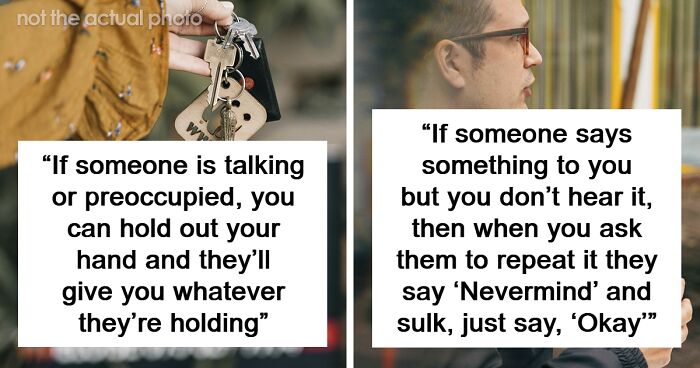
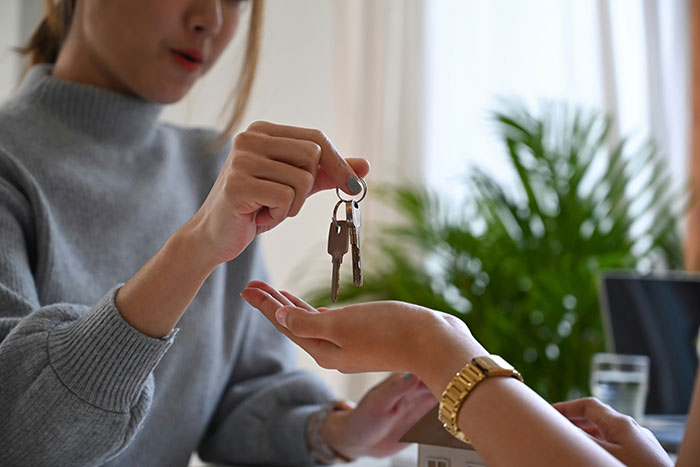 If someone is talking or preoccupied, you can hold out your hand and they'll give you whatever they're holding. I did it to my sister with the car keys and made her think she lost them somewhere at the store.
 My favorite is silently maintaining eye contact when a person is attempted to bargain or convince you of something that you don't want to do, or don't believe.
They usually end up negotiating with themselves (which gives you a huge advantage because once that happens, it is pretty much game over).
 The Flinch. Whether you're negotiating a raise, the sale price of a car you want to buy, who does what chores around the house, always flinch visibly at the first and sometimes second offers. The Flinch can be as simple as a small wince, a sigh, or an eyeroll. The Flinch quite often causes people to lowball the initial offer. I learned this from my was-husband and it freaking works. Got my current job at 10% over the max salary because I flinched.
 When you're talking to someone who's being defensive and there is a pause in the conversation, let them fill it.
Anonymous: They'll incriminate themselves.
 I had a very strange encounter with a co-worker once. We were on a break, had chatted a bit, the usual mundane, "are you married, etc, do you have kids" and when I said no, she waited, staring at me, for me to continue. Boy did that ever work, the longer she stared the more I babbled, I couldn't stop talking. I'd finish a sentence, she kept staring and I'd start talking again and not because she was politely listening. She was compelling me to talk. I have no idea why she did that, if it was just her way or if she does that to learn things about people but it was the creepiest conversation I have ever had. I'm older now so that wouldn't work on me but it sure was effective at the time.
 The Primacy Effect (you're more likely to remember the first item on a list) and the Recency Effect (you're more likely to remember the last item on a list).
If I'm listing groceries for my husband, I make the most important items into bookends. If I'm talking to the parent of one of my students about their kid's behaviour, I always list good, bad, good. They get the information about the bad, but what they remember about the conversation is how they felt good and saw that I care about their kid.
 When something funny happens and people or a person in a group laughs, they will look at the person they like or care about in the group the most to see if they're laughing too. When you notice this it's quite easy to tell who likes who.
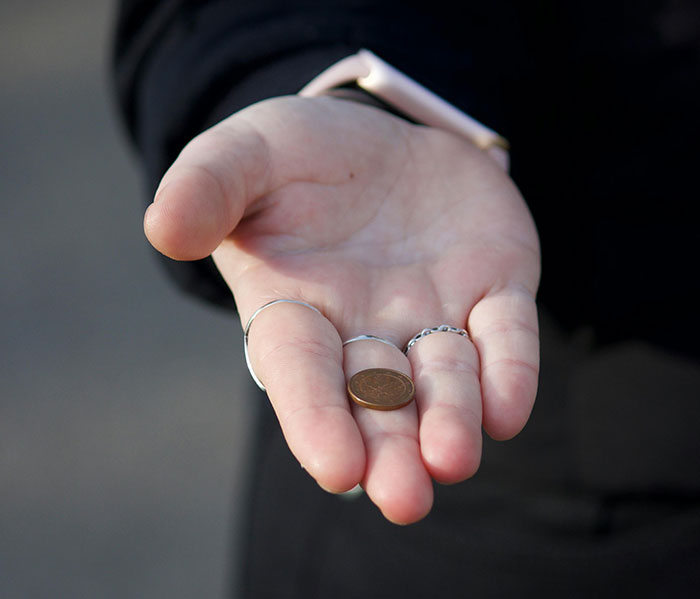 Before a coinflip say "heads i win, tails you lose". do it quick and they wont even notice.
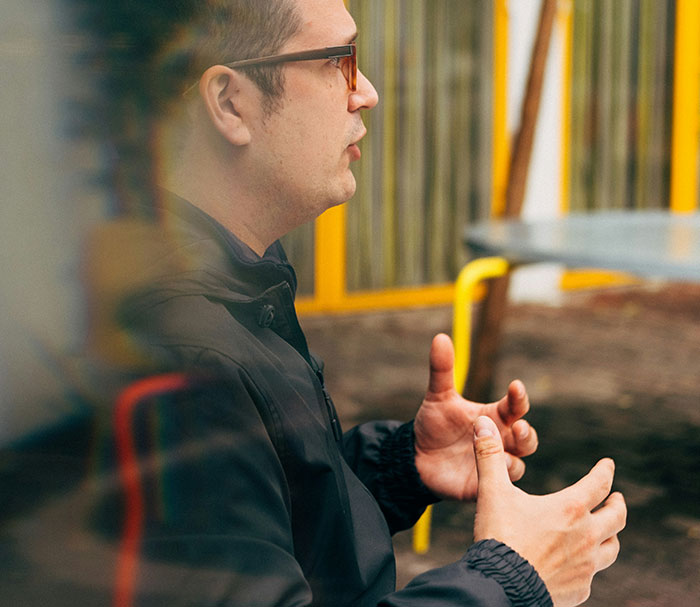 If someone says something to you but you don't hear it, then when you ask them to repeat it they say "Nevermind" and sulk, just say,
"Okay." in a totally disinterested manner and go back to whatever it was you were doing. Most of the time, they'll pout for a second, then say something like "What I was *GOING* to say was...".
 Silence. I have found that saying nothing is often the most powerful tool of negotiation. I once sold a car with 350,000 miles on it for my asking price, because when the guy was walking around it and pointing out the flaws I never said a word. He talked and talked, and I never responded. Finally he talked himself right into buying the car. I would have gone down $1500 but he never demanded an answer out of me.
 If you want to calm someone down, sympathize with them whilst describing what's upsetting them in descending orders of magnitude.
I understand why you're angry
you're right to be frustrated
This would annoy me too.
As they accept the acknowledgements they want they should also accept the declining emphasis on emotion and become calmer.
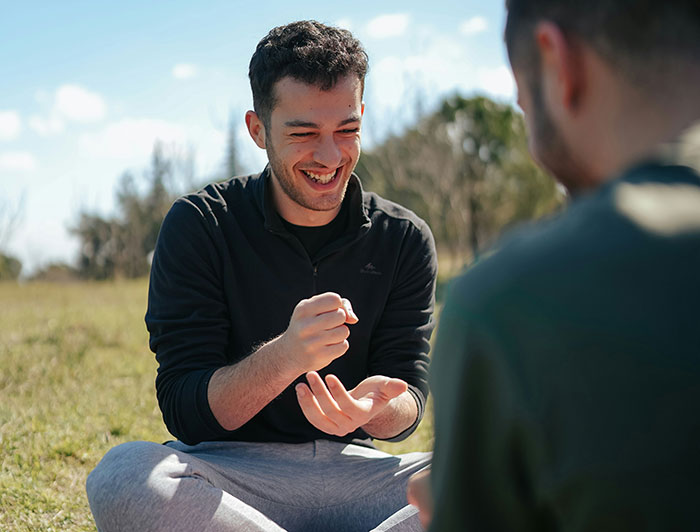 When playing rock, paper, scissors stop right before and ask "without looking, can you tell me what color your shirt is?" and people seem to always pick scissors after. I've done it to maybe 20 people and got the same result every time.
 I don't "give" de-worming medicines to my dog, I put them down on the floor and "take" them from him. I guard them, get between them and him, and tell him not to touch them.
He gulps them down before I can fake-take them from him.
 Many people (I would say most, maybe almost all) are surprisingly susceptible to flattery and being told what they want to hear. People tend to shy away from this strategy, thinking it will be too obvious and clumsy, but just try it. It's as if being flattered or hearing people agree with you gives people a rush of pleasurable hormones to the brain.
 If you haven't slept well, tell your brain "I slept well". You will feel fresh. It works like miracle.
Want to defeat a narcissist who insults you? Don't react. Just ignore him completely in front of others. It will hurt his image and he will stop poking you.
Want to know if someone is attentive or not? Repeat your sentence with a slight change in it. If he is listening either his facial expression will change or he will point out and question the part.
Want to know a person is lying to fit in a group? Just watch his eyes when he talks, if his eyes seeks validation from others for what he said, then he is pretending. A liar /pretender always seeks validation for his talks to fit in the group.
Giving a presentation ? Always bring a bottle of water to the stage. When you can’t remember what to say, take a drink. Nobody will know the difference.













 No fees, cancel anytime
 then open in external browser

 and click "Open in External Browser"