Get Premium
Dark mode theme is available exclusively for premium users. Learn more about the benefits of subscribing.
No fees, cancel anytime.

 Dark Mode Ad-Free Browsing Unlimited Content
 Ad-Free Browsing Unlimited Content Dark Mode
Join 1.2 million Panda readers who get the best art, memes, and fun stories every week!




If you grew up on Miyazaki films like I did, there’s a good chance you have an idealized image of Japan in your mind. The beautiful scenery and magical worlds he depicted in Spirited Away, My Neighbor Totoro, Howl’s Moving Castle, Kiki’s Delivery Service, Castle in the Sky and many more movies made me believe that Japan has a beautiful, whimsical feeling that nowhere else in the world could ever emulate (and all of those films aren't even set in Japan!).
Just like anywhere else in the world, though, Japan might not be exactly what you would expect from seeing films and the media. Yes, its cities are much cleaner than the metropolitan areas in many other countries, and the nature is absolutely stunning. But as one student studying abroad in Tokyo has come to find out, nowhere in the world is perfect, including Japan.
Below, you’ll find explanations of some of the darker parts of Japanese culture that TikToker Ashley in Japan has been sharing with her viewers. Be sure to upvote any of the information that surprises you or that you have observed in Japan as well, and feel free to share your thoughts on this topic in the comments. If you are from Japan, do you agree with Ashley’s observations? And if you live in Japan or have ever been there before, we would love to hear what your favorite parts of the beautiful island nation are as well. Then if you’re interested in checking out a few more Bored Panda articles highlighting all of the unique qualities of Japan, you can find those right here, here and here!
More info: TikTok
This post may include affiliate links.
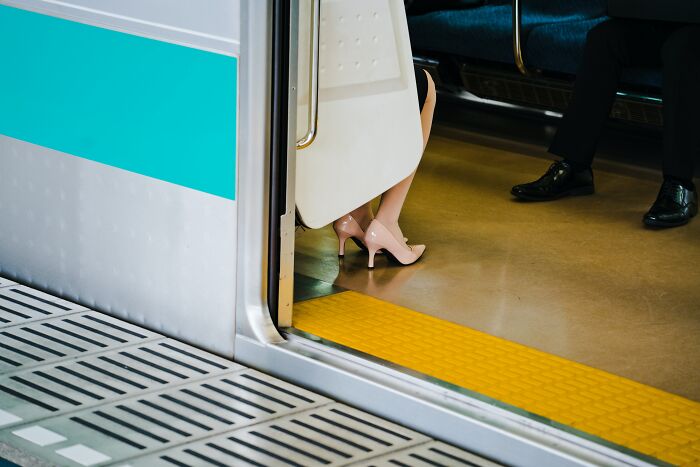 It's known that Japan has a gender equality problem, like many countries. But do you know what this entails? Japan has strong gender role expectations. My mother used to say that working in Japan, she was told by the boss to come in early to make and serve hot tea for her coworkers every morning, just because she was a woman and new to the office.
If a young man was introduced to her company floor, the boss never expected that. Instead, she said when a new woman came to work at the company, the boss switched out the new woman with my mother for the tea pouring chore.
Japan also has issues on harassment in the workforce and public transportation, though there are now trains that have "women only" carts during certain rush hour times in the morning and night. I noticed that there is always that one creepy guy that ends up in those certain carts during that time and makes all the women feel uncomfortable and vulnerable.
The phones that are sold in Japan, whether it be Android or Apple, actually have a feature that cannot be disabled. That makes it so pictures have a clicking that occurs every time you click. This law for all phones is so women can know if a pervert is trying to take pictures up a skirt or dress because the phone would make obnoxious clicking noises. Because Japanese people are generally very polite and will not complain. No one speaks up to tell the creepy dude to get off the women only train.
My mother actually told me of an experience she had with the trains in Tokyo. She had just come back from studying in the US and so she was somewhat Americanized and not afraid to say something if something needed to be said. One day during train rush hour, it was especially crowded and everyone was packed in together like sardines. All of a sudden, she felt something pressing up against her thigh. But she didn't think anything of it, because everyone was pressed up against each other and she assumed it was someone's briefcase. For the next two minutes, she felt that object on her thigh slowly moving up until it reached very high up there. She decided to move it out of the way because it was annoying that someone was in the way so she reached down and grabbed it.
However, she wasn't shocked when she realized that what she was holding was actually a salaryman's hand. She immediately clasped the man's hand tightly and threw it up in the air with her screaming "CHIKAN!!!" Chikan in Japanese is a word that means "pervert molester". My mom also told me that her designer sunglasses in her bag broke in half from her flinging her purse into his chest, some makeup and mirror in her makeup compact was also broken. She says it was worth it, though.
The whole crowd on the train immediately started trying to move over to the other trains and away from the situation, averting their eyes, due to Japanese culture being not to get in other people's business and be quiet. The salaryman immediately started apologizing to my mom, bowing and red-faced. He was worried she would try to get police involved. My mother just kept saying no, she was not going to forgive him. And he needed to get off the next station now. My mom doesn't know why no one else helped her or did anything. But I think it is probably because of this culture that normalizes it, and does not want to get involved.
A random grandmother on the train said to my mom that she should forgive the man since he was apologizing profusely. My mom was in disbelief at this grandmother, because this man's behavior is so normalized for their generation.
Often high school girls don't fight back and say something on the packed trains/buses as my mom did. I've heard of many other girls having terrible stories of chikan experiences from Japan. I know that the vast majority of Japanese people are good, but standing back and not helping these women when creepy perverts do this is just as bad.
I hope that one day Japanese people will be able to stand strong.
It's known that Japan has a gender equality problem, like many countries. But do you know what this entails? Japan has strong gender role expectations. My mother used to say that working in Japan, she was told by the boss to come in early to make and serve hot tea for her coworkers every morning, just because she was a woman and new to the office.
If a young man was introduced to her company floor, the boss never expected that. Instead, she said when a new woman came to work at the company, the boss switched out the new woman with my mother for the tea pouring chore.
Japan also has issues on harassment in the workforce and public transportation, though there are now trains that have "women only" carts during certain rush hour times in the morning and night. I noticed that there is always that one creepy guy that ends up in those certain carts during that time and makes all the women feel uncomfortable and vulnerable.
The phones that are sold in Japan, whether it be Android or Apple, actually have a feature that cannot be disabled. That makes it so pictures have a clicking that occurs every time you click. This law for all phones is so women can know if a pervert is trying to take pictures up a skirt or dress because the phone would make obnoxious clicking noises. Because Japanese people are generally very polite and will not complain. No one speaks up to tell the creepy dude to get off the women only train.
My mother actually told me of an experience she had with the trains in Tokyo. She had just come back from studying in the US and so she was somewhat Americanized and not afraid to say something if something needed to be said. One day during train rush hour, it was especially crowded and everyone was packed in together like sardines. All of a sudden, she felt something pressing up against her thigh. But she didn't think anything of it, because everyone was pressed up against each other and she assumed it was someone's briefcase. For the next two minutes, she felt that object on her thigh slowly moving up until it reached very high up there. She decided to move it out of the way because it was annoying that someone was in the way so she reached down and grabbed it.
However, she wasn't shocked when she realized that what she was holding was actually a salaryman's hand. She immediately clasped the man's hand tightly and threw it up in the air with her screaming "CHIKAN!!!" Chikan in Japanese is a word that means "pervert molester". My mom also told me that her designer sunglasses in her bag broke in half from her flinging her purse into his chest, some makeup and mirror in her makeup compact was also broken. She says it was worth it, though.
The whole crowd on the train immediately started trying to move over to the other trains and away from the situation, averting their eyes, due to Japanese culture being not to get in other people's business and be quiet. The salaryman immediately started apologizing to my mom, bowing and red-faced. He was worried she would try to get police involved. My mother just kept saying no, she was not going to forgive him. And he needed to get off the next station now. My mom doesn't know why no one else helped her or did anything. But I think it is probably because of this culture that normalizes it, and does not want to get involved.
A random grandmother on the train said to my mom that she should forgive the man since he was apologizing profusely. My mom was in disbelief at this grandmother, because this man's behavior is so normalized for their generation.
Often high school girls don't fight back and say something on the packed trains/buses as my mom did. I've heard of many other girls having terrible stories of chikan experiences from Japan. I know that the vast majority of Japanese people are good, but standing back and not helping these women when creepy perverts do this is just as bad.
I hope that one day Japanese people will be able to stand strong.
Every single country in the world has its own issues, so we certainly don’t mean for this article to deter you from visiting Japan. Ashley simply intends to inform readers that we should not view any place with rose-colored glasses and assume that it is a utopia. We should have realistic expectations about everywhere in the world, and use common sense when we travel. Just because you’ve heard that Japan is clean and safe does not mean you should throw all caution to the wind there.
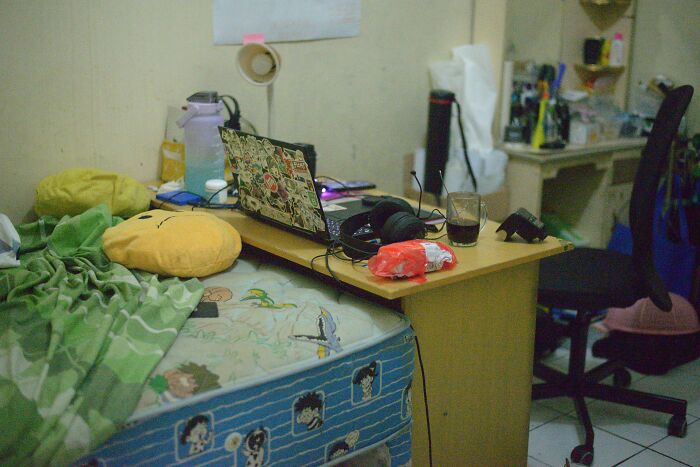 Have you ever felt stressed from societal pressures to succeed? Feared failure? Gotten bullied? Wanting to be alone can be considered normal to de-stress or even find your own identity. However, there's a group in Japan who have taken this detachment from society to the extreme, some haven't been outside their home in decades. And it's a common issue in Japan.
This pattern of behavior to detach from society to the extreme is called hikikomori. And it affects an estimated 1.15 million a year, but it's expected to be AT LEAST double that due to them trying to hide from society and not be found. After the economic boom in the 1980s, many youth suffered from not achieving their goals like their parents. Feeling shame, and the burden of society to be successful, hikikomori shut themselves out. Traumatic triggers include getting bullied, failing an important exam, and shame of not being enough.
Perhaps these hikikomori are just a reflection of how strict and stressful Japan's social standards are to vulnerable people who don't fit the mold of what's perfect or normal.
Have you ever felt stressed from societal pressures to succeed? Feared failure? Gotten bullied? Wanting to be alone can be considered normal to de-stress or even find your own identity. However, there's a group in Japan who have taken this detachment from society to the extreme, some haven't been outside their home in decades. And it's a common issue in Japan.
This pattern of behavior to detach from society to the extreme is called hikikomori. And it affects an estimated 1.15 million a year, but it's expected to be AT LEAST double that due to them trying to hide from society and not be found. After the economic boom in the 1980s, many youth suffered from not achieving their goals like their parents. Feeling shame, and the burden of society to be successful, hikikomori shut themselves out. Traumatic triggers include getting bullied, failing an important exam, and shame of not being enough.
Perhaps these hikikomori are just a reflection of how strict and stressful Japan's social standards are to vulnerable people who don't fit the mold of what's perfect or normal.
 I want to talk more about black hafu experiences of celebrities. Today I'm going to talk about Naomi Osaka. She has been ranked world no. 1 in singles by the (WTA) and is the first Asian player to hold the top ranking in singles. Just as I said in other videos, there are xenophobic tendencies as some Japanese can find it very difficult to accept hafu and even more, black hafu. She recently came under backlash and racism from Japanese social media when she lost an important match while representing Japan. Japanese critics were asking why she is even allowed to represent Japan if all she is going to do is lose when it matters.
The obvious issue they have with Naomi is that she is a black hafu. Lawrence Yoshitaka Shimoji, a sociology researcher at Ritsumeikan University, said in an interview, "It's very sad. And as far as all of these mean, negative comments toward her, nothing is really being done about this. It's just out there." If such racism and hate is going towards such a accomplished and world-famous tennis player, think about the same racism that is being allowed on social media about hafu that perhaps aren't famous or accomplished.
To hafu everywhere, Naomi is amazing representation for us to look up to. At 16 years old, she was so fed up with the constant bullying in her public school in the Japanese countryside that Naomi founded the organization African Youth Meetup, a community for Japanese kids with African roots. We need more hafu representation like Naomi, but not as props for show.
I want to talk more about black hafu experiences of celebrities. Today I'm going to talk about Naomi Osaka. She has been ranked world no. 1 in singles by the (WTA) and is the first Asian player to hold the top ranking in singles. Just as I said in other videos, there are xenophobic tendencies as some Japanese can find it very difficult to accept hafu and even more, black hafu. She recently came under backlash and racism from Japanese social media when she lost an important match while representing Japan. Japanese critics were asking why she is even allowed to represent Japan if all she is going to do is lose when it matters.
The obvious issue they have with Naomi is that she is a black hafu. Lawrence Yoshitaka Shimoji, a sociology researcher at Ritsumeikan University, said in an interview, "It's very sad. And as far as all of these mean, negative comments toward her, nothing is really being done about this. It's just out there." If such racism and hate is going towards such a accomplished and world-famous tennis player, think about the same racism that is being allowed on social media about hafu that perhaps aren't famous or accomplished.
To hafu everywhere, Naomi is amazing representation for us to look up to. At 16 years old, she was so fed up with the constant bullying in her public school in the Japanese countryside that Naomi founded the organization African Youth Meetup, a community for Japanese kids with African roots. We need more hafu representation like Naomi, but not as props for show.

I see a lot of people praising Japan for it's homogeneity, saying stuff like how the country is so successful because it keeps immigrants out. I actually think it's sad and makes the country socially immature in many ways. For all the issues the west faces for embracing immigrants, I love how they've led the way for navigating complex race relations and overcoming differences.
But if you are curious about Japan and Japanese culture, there are plenty of reasons to visit the gorgeous island nation. First of all, it’s beautiful! Japan is full of stunning scenery, as most of the country is home to vast forests, hills and mountains. We all know that Mount Fuji is a popular destination, as it should be, but there are plenty of lesser known spots worth visiting as well, such as the Arashiyama bamboo forest or the Ritsurin landscape gardens on Shikoku Island. And if you have a chance to visit in April, you’ll be able to see the breathtaking spring cherry blossoms that are world famous for their beauty. If you love nature and gorgeous scenery, Japan is certainly worth visiting. Just don't forget to bring your camera!
 If you come to Japan, you will see many salarymen going to work or coming home from work. You might even see them in the club or at the izakaya having an amazing time with each other. But did you know that most salarymen worked between 12 to 18 hours a day? That's why you might sometimes see them asleep on the train or on a bench or sidewalk. When you're hired in Japan as a salaryman, you know, you will be able to be financially stable.
Underneath the surface, things may seem normal, they are just the average working breadwinner in Japan, after all, but as more research and news comes out, at what cost to their personal lives and health? Many kids and wives in Japan don't see their father much due to his work as a salaryman. There's a lot of pride associated with having a family and being able to afford it. And the only way to afford it is to work these long hours.
There's a certain word for being overworked to death in Japan, and it's called karoshi. There is an insane percentage of salaryman who end up committing s*icide and/or just die due to heart failure, (etc.) from being overworked. Karoshi is a huge underlying problem for men and families in Japan and statistics are skewed by corporations that don't want to be held liable. In fact, because these men don't want to burden their families so much, they have to travel to Aokigahara to [end] themselves if it gets to that point.
Aokigahara is known as the "s*icide forest" and is where Logan Paul disrespectfully posted about finding a salaryman. Not all salaryman experience karoshi since it depends on their work/boss largely, but seeing the many pachinko (gambling booths), izakayas (bars) and manga cafes, it's easy to see that these are ways for salarymen to decompress from the stress of their work life.
If you come to Japan, you will see many salarymen going to work or coming home from work. You might even see them in the club or at the izakaya having an amazing time with each other. But did you know that most salarymen worked between 12 to 18 hours a day? That's why you might sometimes see them asleep on the train or on a bench or sidewalk. When you're hired in Japan as a salaryman, you know, you will be able to be financially stable.
Underneath the surface, things may seem normal, they are just the average working breadwinner in Japan, after all, but as more research and news comes out, at what cost to their personal lives and health? Many kids and wives in Japan don't see their father much due to his work as a salaryman. There's a lot of pride associated with having a family and being able to afford it. And the only way to afford it is to work these long hours.
There's a certain word for being overworked to death in Japan, and it's called karoshi. There is an insane percentage of salaryman who end up committing s*icide and/or just die due to heart failure, (etc.) from being overworked. Karoshi is a huge underlying problem for men and families in Japan and statistics are skewed by corporations that don't want to be held liable. In fact, because these men don't want to burden their families so much, they have to travel to Aokigahara to [end] themselves if it gets to that point.
Aokigahara is known as the "s*icide forest" and is where Logan Paul disrespectfully posted about finding a salaryman. Not all salaryman experience karoshi since it depends on their work/boss largely, but seeing the many pachinko (gambling booths), izakayas (bars) and manga cafes, it's easy to see that these are ways for salarymen to decompress from the stress of their work life.

I did some research a year ago into karoshi as part of being a research assistant to a psychologist and it’s one of the most depressing things I have ever read about. I had to get therapy myself afterwards
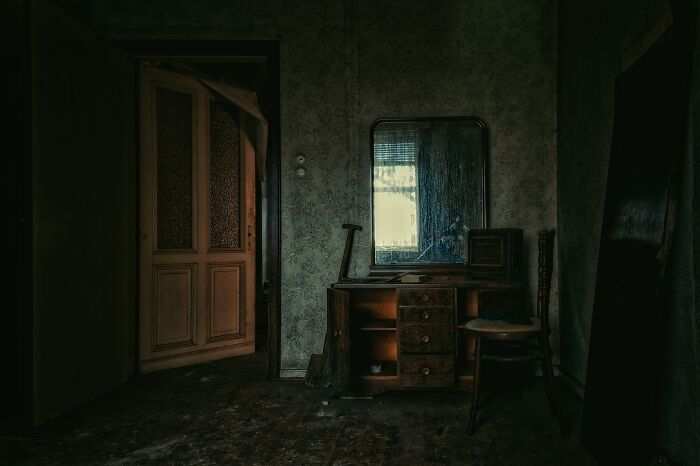 Japan has a large elderly population that keeps growing every year. And the economic troubles stay the same. Because of this mix, "kodokushi" has become a problem in Japan. "Kodokushi" means "lonely death" and refers to the Japanese phenomenon for old people dying alone. They often remain undiscovered for a long period of time. This phenomenon started appearing more and more in the 1980s. Often, these elderly people don't have kids due to Japan's declining birth rate, which is a whole other issue. Because of this, the elderly sometimes die alone with no one to check on them.
The first instance of kodokushi becoming national news was in 2000 when a 69-year-old man was discovered in astounding three years after his death. His monthly rent and utilities were being withdrawn automatically. So once the money ran out, people checked on his wellbeing and found the body had been consumed by maggots, and the skeleton was discovered.
Since the 1990s, many Japanese salarymen have been forced into early retirement and often become socially isolated when removed from corporate culture. The salarymen often do not marry or have kids. A researcher named Masaki Ichinose at U of Tokyo hypothesizes that the increase in kodokushi is also because of Japan's new culture to ignore death.
One hundreds of years ago, Japanese people confronted death by burning bodies, while in modern Japan, there are fewer opportunities to witness death and talking about death is stigmatized. Another hypothesis of the increase is due to social isolation being so accessible to avoid stressful situations. Thus, this is another reason why kodokushi is a big issue.
Today, officials in Tokyo Shinjuku have begun kodokushi awareness campaigns and movements to try to schedule social events and check in on the well-being of elderly people. In addition, there's many cleanup crews that helped clean up these rooms and respectfully gather mementos of that person's life.
Japan has a large elderly population that keeps growing every year. And the economic troubles stay the same. Because of this mix, "kodokushi" has become a problem in Japan. "Kodokushi" means "lonely death" and refers to the Japanese phenomenon for old people dying alone. They often remain undiscovered for a long period of time. This phenomenon started appearing more and more in the 1980s. Often, these elderly people don't have kids due to Japan's declining birth rate, which is a whole other issue. Because of this, the elderly sometimes die alone with no one to check on them.
The first instance of kodokushi becoming national news was in 2000 when a 69-year-old man was discovered in astounding three years after his death. His monthly rent and utilities were being withdrawn automatically. So once the money ran out, people checked on his wellbeing and found the body had been consumed by maggots, and the skeleton was discovered.
Since the 1990s, many Japanese salarymen have been forced into early retirement and often become socially isolated when removed from corporate culture. The salarymen often do not marry or have kids. A researcher named Masaki Ichinose at U of Tokyo hypothesizes that the increase in kodokushi is also because of Japan's new culture to ignore death.
One hundreds of years ago, Japanese people confronted death by burning bodies, while in modern Japan, there are fewer opportunities to witness death and talking about death is stigmatized. Another hypothesis of the increase is due to social isolation being so accessible to avoid stressful situations. Thus, this is another reason why kodokushi is a big issue.
Today, officials in Tokyo Shinjuku have begun kodokushi awareness campaigns and movements to try to schedule social events and check in on the well-being of elderly people. In addition, there's many cleanup crews that helped clean up these rooms and respectfully gather mementos of that person's life.
Japan also has a rich culture of its own that is amazing to experience. It is the birthplace of karaoke, so if your ideal version of a night out is singing your heart out to your favorite tunes, you can certainly do that in Japan. There are about 100,000 karaoke boxes and bars throughout the country, so you’re sure to find one that fits your style. You will also eat excellently in Japan. If you’re a fan of sushi, ramen, mochi and more, you’ll have access to the very best versions of all your favorites. In fact, Japan is the country with the most 3-star Michelin restaurants in the world, so when you’re budgeting for your vacation, be sure to set plenty aside to go towards food!
 Japan is racially homogeneous and with this comes discrimination against black hafu. Non-black hafu usually experience the extreme of being romanticized for their coveted Eurocentric features. It hurts me to see the opposite done to my black hafu friends who seem more alienated than me, even though they have lived in Japan longer, speak better Japanese. For some reason, there's a really bad stereotype that black hafus are good at basketball, and only listen to rap? Like, come on!!! It's 2022!? This bias and hurtful stereotyping shouldn't be a thing anymore. I can't speak for black hafu (only try to amplify their voices and advocate) but I can only imagine the microaggressions that black hafu experience, I'd have to be numb at this point.
I actually had a black hafu friend in grade school I was BFFs with, let's just say from a young age, I found that we had entirely different experiences in Japan, kids refused to swim close to her at our school pool or tag her during tag, it's worth pointing out that my friend was ironically culturally more Japanese than me.
Sometimes Japan can be infuriating, because they can be oblivious and very behind on social issues of race, gender, etc. It upsets me that black hafu have an even bigger systemic barrier to overcome than their counterparts, especially working, being out and about, trying to rent, taking public transportation, etc. because apparently to be Japanese, you have to not only be culturally Japanese, but "look??" Japanese, whatever "look Japanese" even means.
Japan is racially homogeneous and with this comes discrimination against black hafu. Non-black hafu usually experience the extreme of being romanticized for their coveted Eurocentric features. It hurts me to see the opposite done to my black hafu friends who seem more alienated than me, even though they have lived in Japan longer, speak better Japanese. For some reason, there's a really bad stereotype that black hafus are good at basketball, and only listen to rap? Like, come on!!! It's 2022!? This bias and hurtful stereotyping shouldn't be a thing anymore. I can't speak for black hafu (only try to amplify their voices and advocate) but I can only imagine the microaggressions that black hafu experience, I'd have to be numb at this point.
I actually had a black hafu friend in grade school I was BFFs with, let's just say from a young age, I found that we had entirely different experiences in Japan, kids refused to swim close to her at our school pool or tag her during tag, it's worth pointing out that my friend was ironically culturally more Japanese than me.
Sometimes Japan can be infuriating, because they can be oblivious and very behind on social issues of race, gender, etc. It upsets me that black hafu have an even bigger systemic barrier to overcome than their counterparts, especially working, being out and about, trying to rent, taking public transportation, etc. because apparently to be Japanese, you have to not only be culturally Japanese, but "look??" Japanese, whatever "look Japanese" even means.
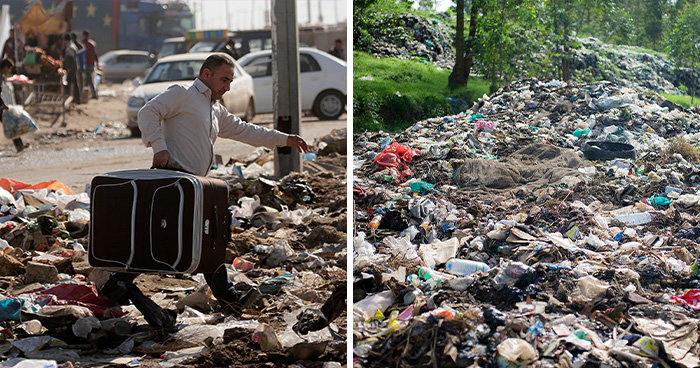
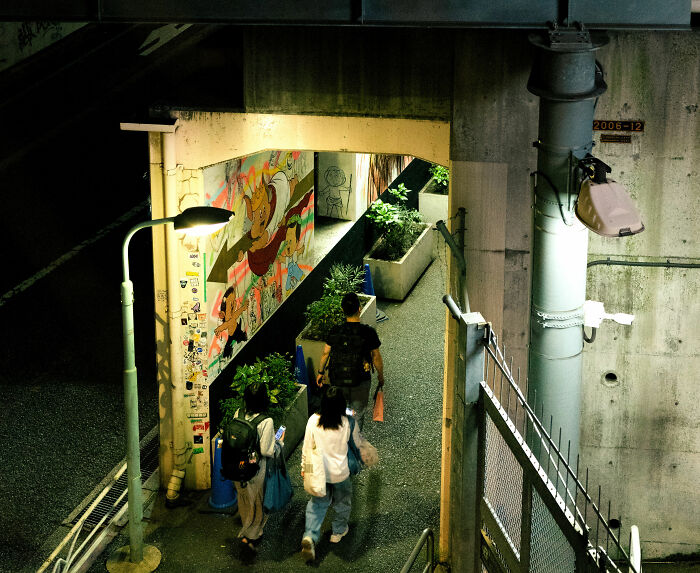 The Japanese are very big on respect for others' property. It's rare to find litter or gum on the streets, because of this respect. However, the notion that Japan is perfect or perfectly clean is not entirely true. There's graffiti, gum on the ground, bottles thrown around, unknown liquids on the ground in certain areas, especially at night.
This is not to bash Tokyo. Because this is natural of all major industrial cities. Japanese people in general do a good job of not littering and recycling.
Another reason why Japan is so clean is because of the Shinto notion that "cleanliness is godliness". In addition, the public transportation and street cleaning teams are very thorough, care, and clean throughout the day. But I've also seen salarymen peeing on the ground in public, for example, and leave straightaway in a taxi.
There will always be bad apples, so don't be shocked when you find some gnarly areas or trash in Japan cities.
The Japanese are very big on respect for others' property. It's rare to find litter or gum on the streets, because of this respect. However, the notion that Japan is perfect or perfectly clean is not entirely true. There's graffiti, gum on the ground, bottles thrown around, unknown liquids on the ground in certain areas, especially at night.
This is not to bash Tokyo. Because this is natural of all major industrial cities. Japanese people in general do a good job of not littering and recycling.
Another reason why Japan is so clean is because of the Shinto notion that "cleanliness is godliness". In addition, the public transportation and street cleaning teams are very thorough, care, and clean throughout the day. But I've also seen salarymen peeing on the ground in public, for example, and leave straightaway in a taxi.
There will always be bad apples, so don't be shocked when you find some gnarly areas or trash in Japan cities.

In a English speech competition (I’m an English teacher in central Japan), one topic was how to prepare for the Tokyo Olympics. Many students prioritized cleaning up public spaces. I always want to say “No!! Do you realize how incredibly clean it is here!! Please focus on learning other languages and their cultures so foreigners feel more welcome here!” It plays into the the idea of making everything look nice on the surface while ignoring the deeper problems.
From all of her videos, it’s clear that Ashley is having a great time in Japan and loves many aspects of living there. But it is fascinating, as an outsider, to learn about the culture and what it’s really like to live there. Hopefully, I’ll be able to make my own trip over there within the next few years (dying to try the world’s best sushi and mochi!), but for now, I’ll have to rely on what I can learn online. If you live in or have ever been to Japan, we would love to hear from you in the comments down below. Then if you still haven’t checked out Bored Panda’s previous articles highlighting some of the most fascinating and wonderful quirks of Japan, you can find them here, here and here!
 Do you recognize any celebrities, athletes, musicians? One thing they all have in common is that they are hafu. Hafu is a slang term for "half Japanese". Hafu are rare, so are labeled "exotic" and "beautiful" in Japan. Though these labels are meant in a positive manner, it's problematic to hafu because it can make them feel alienated and not fully Japanese. Often, hafu say they feel like they are foreigners in their own country, just because of their looks.
Hafu culture has a very complex relationship and history that I can go into further in a different video because of time, but originally, being mixed was not good (and that sentiment sometimes exists today) and with Japan's superiority complex came derogatory names for mixed children.
Being mixed Japanese with countries Japan had colonized, like Korea and China, was considered an especially negative thing to be. Politicians painted mixed kids of women who married US military men as not pure and a problem in society. However, as Japan opened up more to the west, perceptions and the culture of these hafu kids changed. Europeans were seen as chic and Hollywood celebrities were seen as exotic.
Japanese management companies started to hire more exotic-looking actors, dancers, pop stars since this was the new trend. Hafu became a good term, and Eurocentric beauty standards became a large selling point in Japan. Having a "hafu-gao" or "hafu-face" in terms of beauty and makeup and body features was a must. Long legs, taller noses and bigger eyes. Rather than unite the population through hafus, it actually created "us vs. them" mentality where hafus became the pinnacle of beauty or someone to romanticize.
Even hafus that have lived their whole lives in Japan and don't speak anything other than Japanese became alienated because they don't look Japanese even though they are entirely Japanese inside.
Do you recognize any celebrities, athletes, musicians? One thing they all have in common is that they are hafu. Hafu is a slang term for "half Japanese". Hafu are rare, so are labeled "exotic" and "beautiful" in Japan. Though these labels are meant in a positive manner, it's problematic to hafu because it can make them feel alienated and not fully Japanese. Often, hafu say they feel like they are foreigners in their own country, just because of their looks.
Hafu culture has a very complex relationship and history that I can go into further in a different video because of time, but originally, being mixed was not good (and that sentiment sometimes exists today) and with Japan's superiority complex came derogatory names for mixed children.
Being mixed Japanese with countries Japan had colonized, like Korea and China, was considered an especially negative thing to be. Politicians painted mixed kids of women who married US military men as not pure and a problem in society. However, as Japan opened up more to the west, perceptions and the culture of these hafu kids changed. Europeans were seen as chic and Hollywood celebrities were seen as exotic.
Japanese management companies started to hire more exotic-looking actors, dancers, pop stars since this was the new trend. Hafu became a good term, and Eurocentric beauty standards became a large selling point in Japan. Having a "hafu-gao" or "hafu-face" in terms of beauty and makeup and body features was a must. Long legs, taller noses and bigger eyes. Rather than unite the population through hafus, it actually created "us vs. them" mentality where hafus became the pinnacle of beauty or someone to romanticize.
Even hafus that have lived their whole lives in Japan and don't speak anything other than Japanese became alienated because they don't look Japanese even though they are entirely Japanese inside.

There's a lot of truth in this. I know someone who was born in Japan, and her parents were born in Japan, but her grandparents were from Korea, and she's still a foreigner. I know that even though I've lived in Japan for over 20 years, I'm still a foreigner. I will never be Japanese.









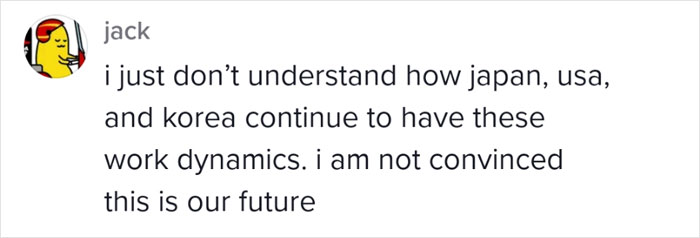

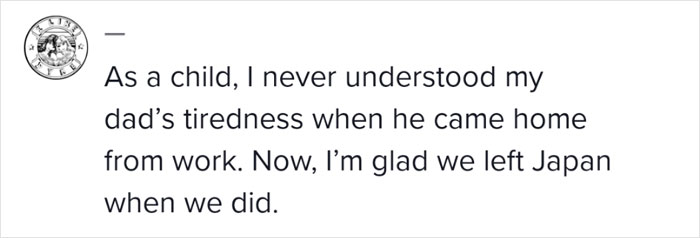

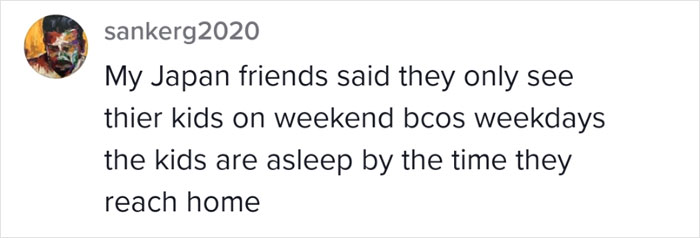






One of the worst things I've seen in Japan is that when people get divorced, they make an immediate settlement, the wife gets the kids, and then the husband leaves and they never see each other or contact each other again. The father never sees his kids again. This was especially bad when an Australian neighbor of mine was getting a divorce, because he was also losing his visa status and would have to return to Australia and there was nothing he could do to convince his wife to let him see their children. He was really despondent at the time. Years later, I met his daughter by chance, though, and she told me she was still in touch with him, and would go to Australia sometimes to visit him. In Japan, this trend is changing as more people realize it's often better if the parents both continue to be part of the children's lives after a divorce.

This must be a long time ago. I lived in Japan for a year and still have family there. I know a few who got a divorce with children and they split custody. Never ever witnessed a divorce where the father just left and never talked to his ex-wife and children again. But it happened in the last ~3 years so I hope the country is finally changing. The roles are so old!
Load More Replies...
Every country has problems. Society is one thing, but your impression often depends on individual people.

Japan was one of the counties I wanted to visit the most (I'm not an anime fan btw). It was highly romanticized when I was younger, and I was determined to go. I still would, but I'm not as starry-eyed as I was then.

I worked in Japan for a while. It's an excellent place to visit. The country is super clean and safe. People will be very polite. I was there about 17 years ago, so this may have changed, but the biggest problem you may find is that very few people speak a Western language. And most signage for names will use the Chinese characters, so navigating can be tricky. But the country is absolutely gorgeous, the food is fantastic, and the service is excellent. Just don't expect to strike up friendly conversations with people.
Load More Replies... One of the worst things I've seen in Japan is that when people get divorced, they make an immediate settlement, the wife gets the kids, and then the husband leaves and they never see each other or contact each other again. The father never sees his kids again. This was especially bad when an Australian neighbor of mine was getting a divorce, because he was also losing his visa status and would have to return to Australia and there was nothing he could do to convince his wife to let him see their children. He was really despondent at the time. Years later, I met his daughter by chance, though, and she told me she was still in touch with him, and would go to Australia sometimes to visit him. In Japan, this trend is changing as more people realize it's often better if the parents both continue to be part of the children's lives after a divorce.
This must be a long time ago. I lived in Japan for a year and still have family there. I know a few who got a divorce with children and they split custody. Never ever witnessed a divorce where the father just left and never talked to his ex-wife and children again. But it happened in the last ~3 years so I hope the country is finally changing. The roles are so old!
Load More Replies... Every country has problems. Society is one thing, but your impression often depends on individual people.
Japan was one of the counties I wanted to visit the most (I'm not an anime fan btw). It was highly romanticized when I was younger, and I was determined to go. I still would, but I'm not as starry-eyed as I was then.
I worked in Japan for a while. It's an excellent place to visit. The country is super clean and safe. People will be very polite. I was there about 17 years ago, so this may have changed, but the biggest problem you may find is that very few people speak a Western language. And most signage for names will use the Chinese characters, so navigating can be tricky. But the country is absolutely gorgeous, the food is fantastic, and the service is excellent. Just don't expect to strike up friendly conversations with people.
Load More Replies...

































 No fees, cancel anytime
 then open in external browser


 and click "Open in External Browser"