Get Premium
Dark mode theme is available exclusively for premium users. Learn more about the benefits of subscribing.
No fees, cancel anytime.

 Dark Mode Ad-Free Browsing Unlimited Content
 Ad-Free Browsing Unlimited Content Dark Mode
Join 1.2 million Panda readers who get the best art, memes, and fun stories every week!

The belief that you are absolutely right can be dangerous in the wrong hands. This is abundantly visible in all the internet stories about “entitled” people who wreak havoc on everyone around them because they think they have to get what they want at all costs.
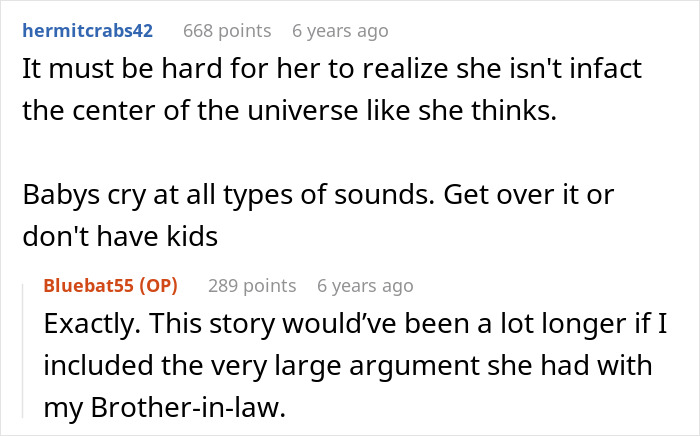
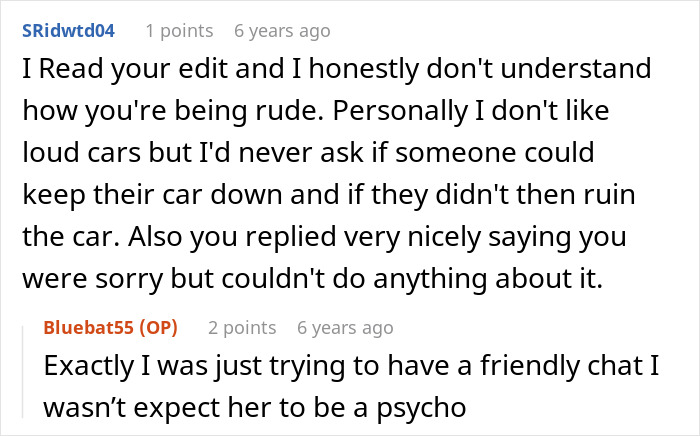
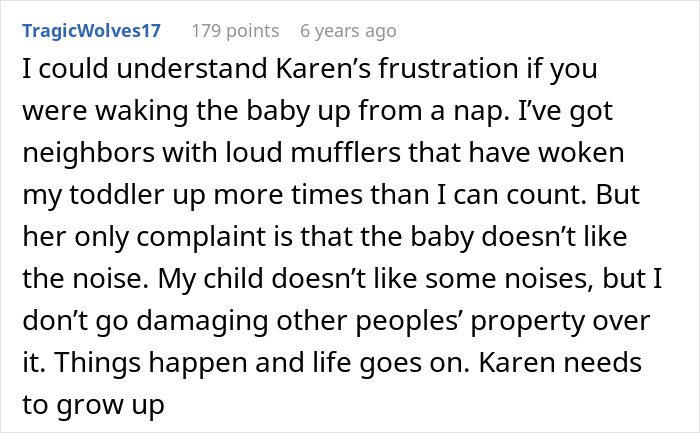
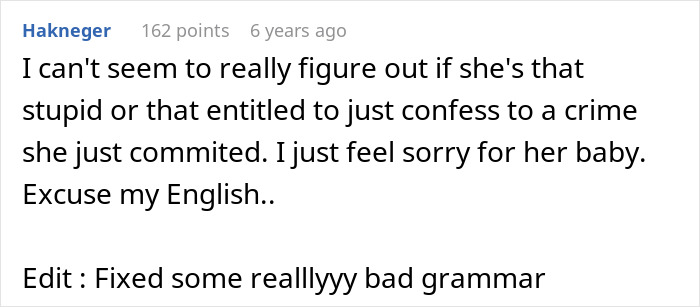
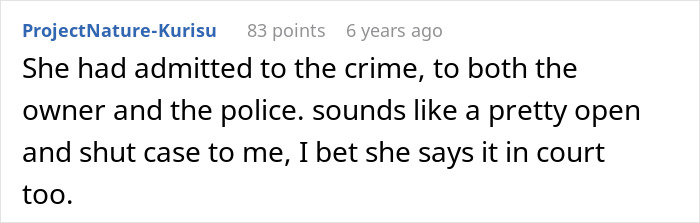
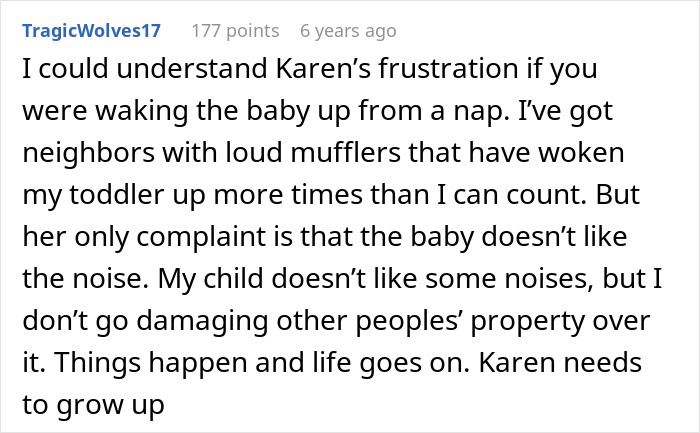
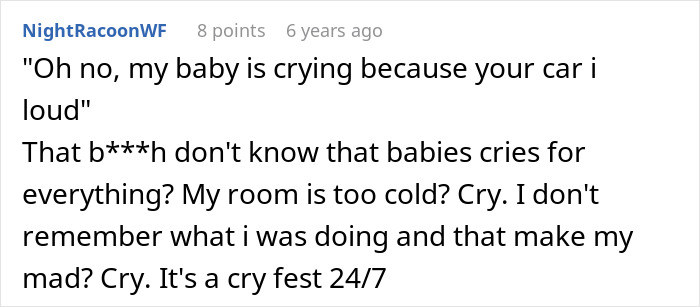
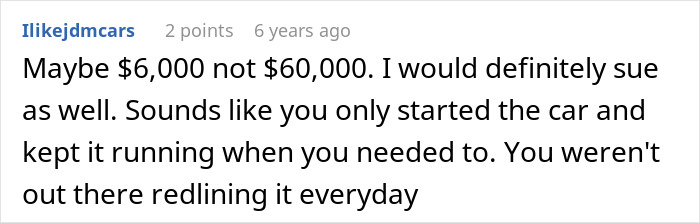
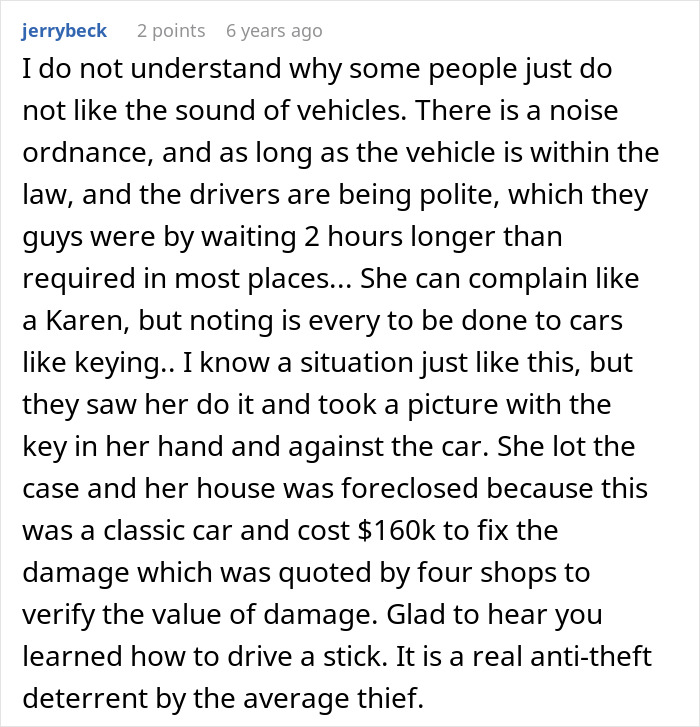
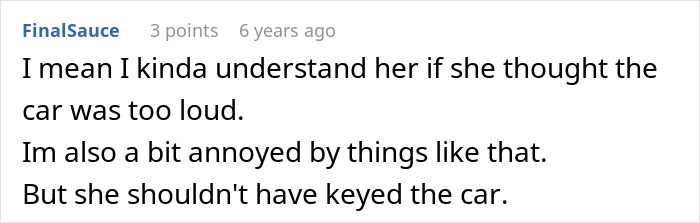
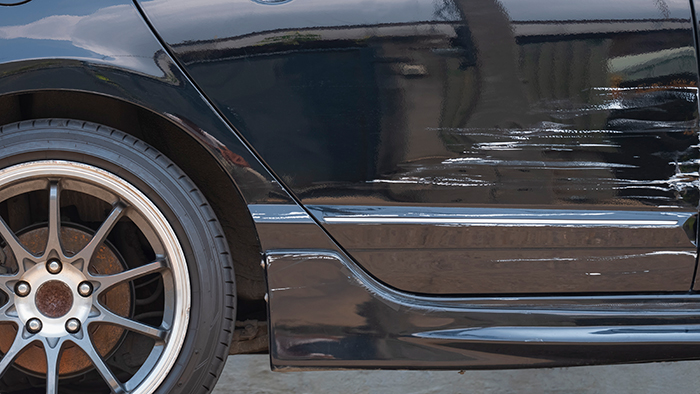
A netizen went online to share their story of a harrowing encounter with an entitled woman who thought that just because a car would start up loudly sometimes, she had the right to go over and key it. They also shared what happened when the cops got involved after the perpetrator thought she could just get away with it.





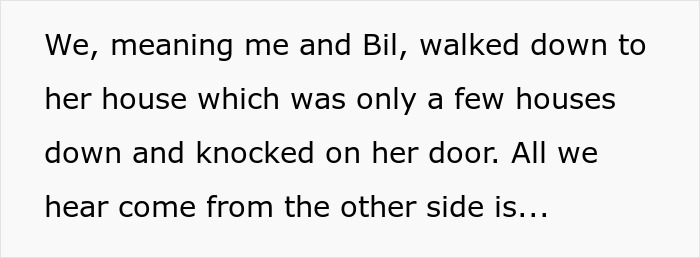


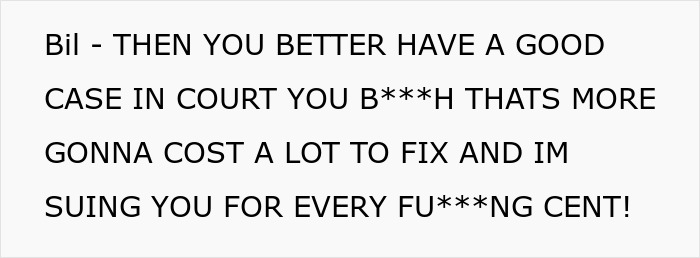

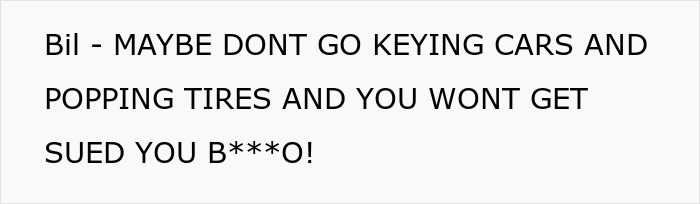
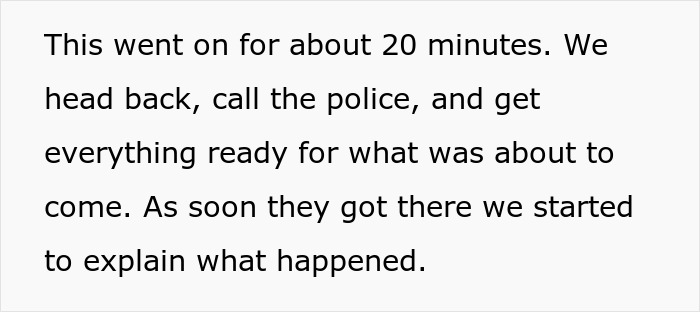
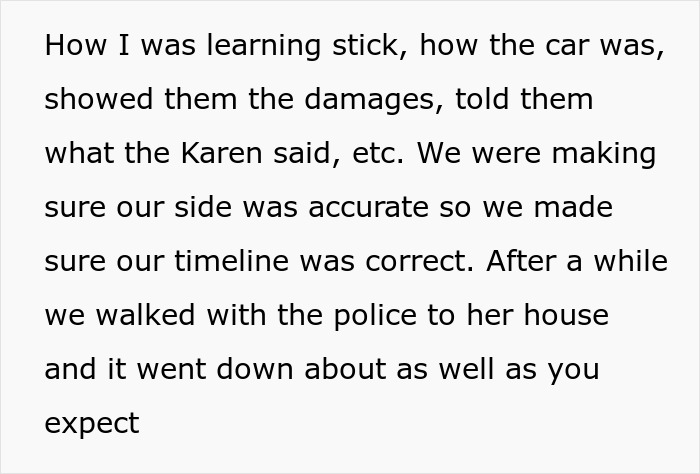
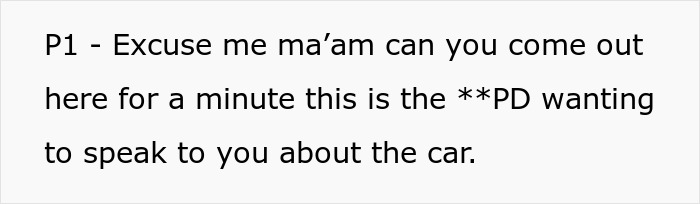
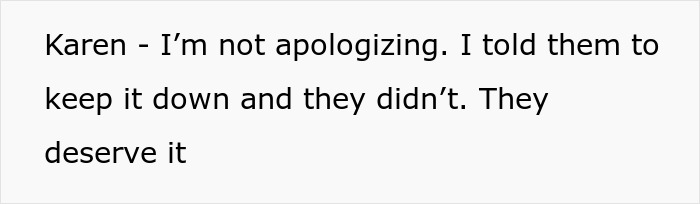
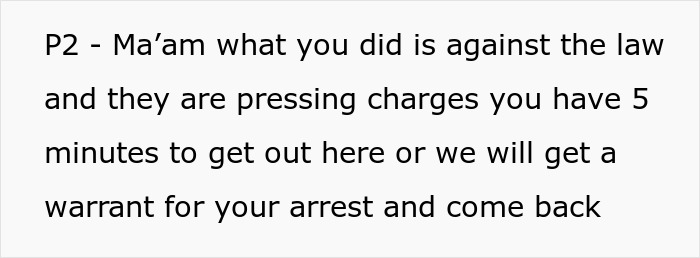
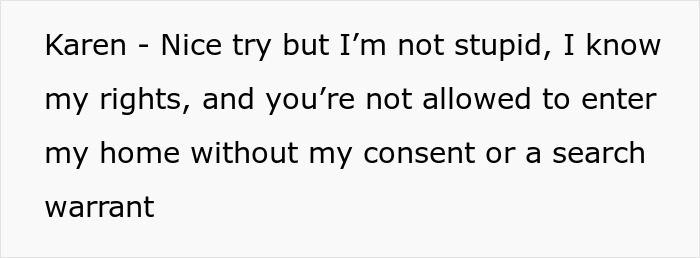
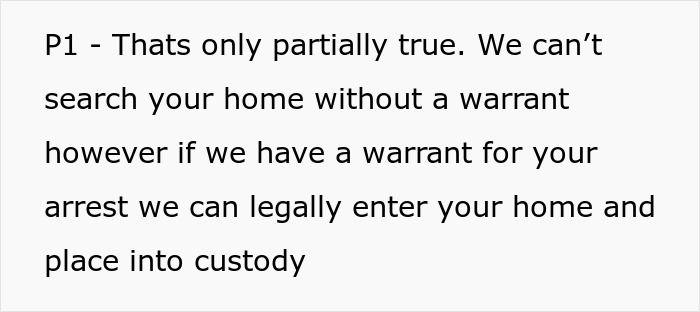
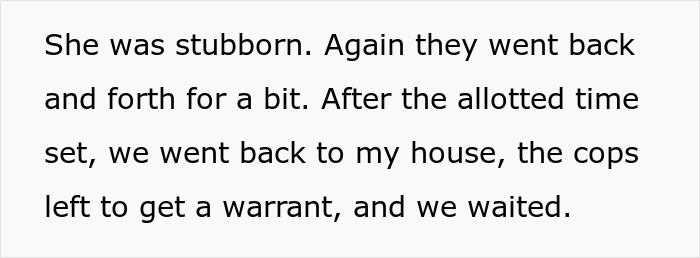
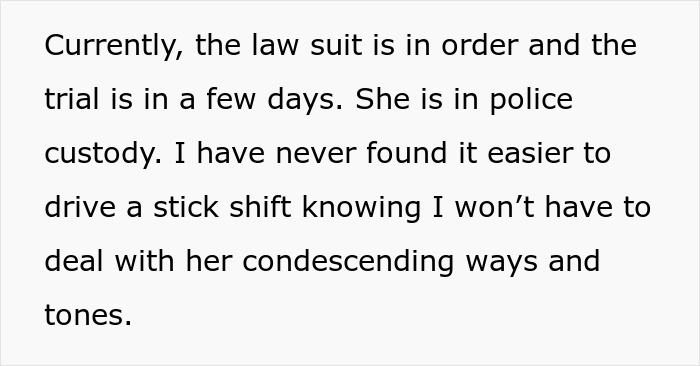
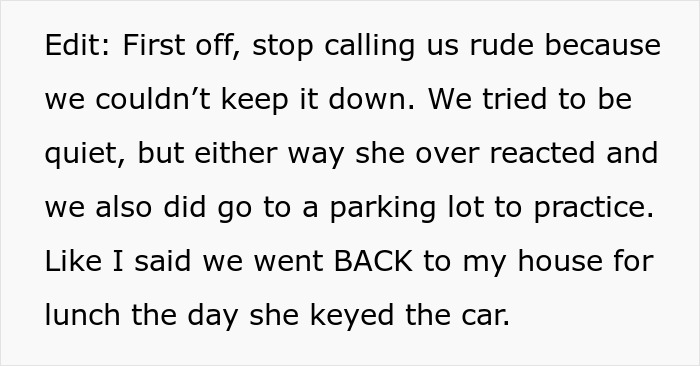
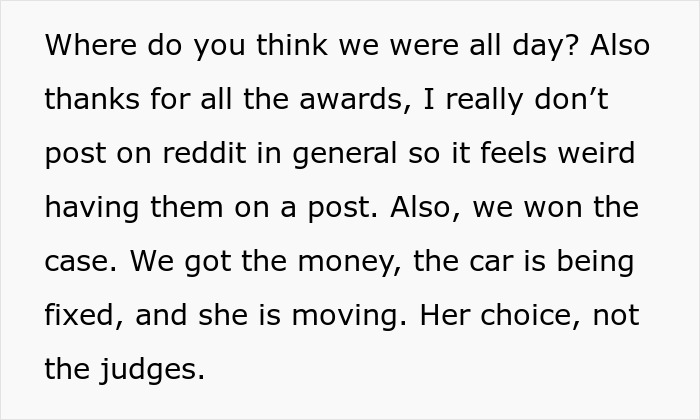
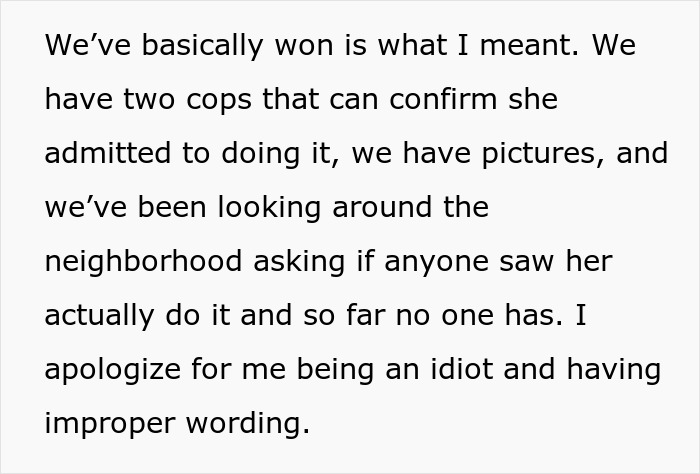
“Karen’s” arc here is a tidy case study in what psychologists actually mean by entitlement, and it’s worth unpacking because the pattern shows up everywhere, not just on quiet streets with muscle cars parked on them.
Entitlement research isn’t describing someone who simply wants to be treated fairly. Psychologists define it as a stable belief that a person deserves special treatment or is exempt from the rules everyone else follows, regardless of whether they’ve done anything to earn that treatment. That distinction matters, because it explains why a noise complaint turned into felony level property damage instead of staying a noise complaint. For someone high in this trait, hearing an engine start twice a day for a few minutes doesn’t register as a minor inconvenience to be tolerated the way it would for most neighbors. It registers as a violation of something she felt she was owed, and in her mind that perceived violation justified almost any response.
That also explains why the punishment so wildly outpaced the offense. Researchers studying narcissistic traits have found that entitlement and exploitativeness are the strongest predictors of aggression among the traits usually bundled with narcissism, with entitled people especially prone to explosive, disproportionate reactions once they feel ignored. A slashed tire and a keyed door panel isn’t a proportional response to a car idling in a driveway. It’s someone deciding her own discomfort outweighed a stranger’s property entirely, which is a very different calculation than most people would make over the same annoyance.
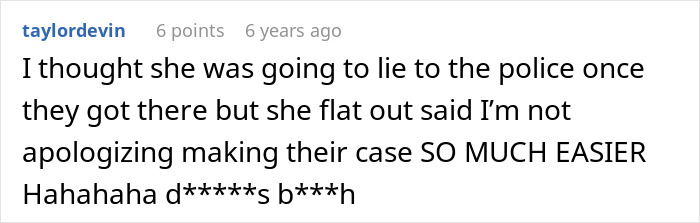
The standoff with police is the other half of the pattern worth noticing. “Karen” was confident she knew her rights, she just had them backward, and that confidence wasn’t a coincidence. People high in entitlement tend to believe the normal social contract comes with an asterisk next to their name. Studies on the trait have tied higher entitlement scores to a greater willingness to ignore rules and defy authority that everyone else is expected to follow, partly because rule breaking feels justified once someone has convinced themselves they’re the exception. She wasn’t bluffing when she refused to apologize. She genuinely seemed to believe that being annoyed gave her standing to override both her neighbors and the law.
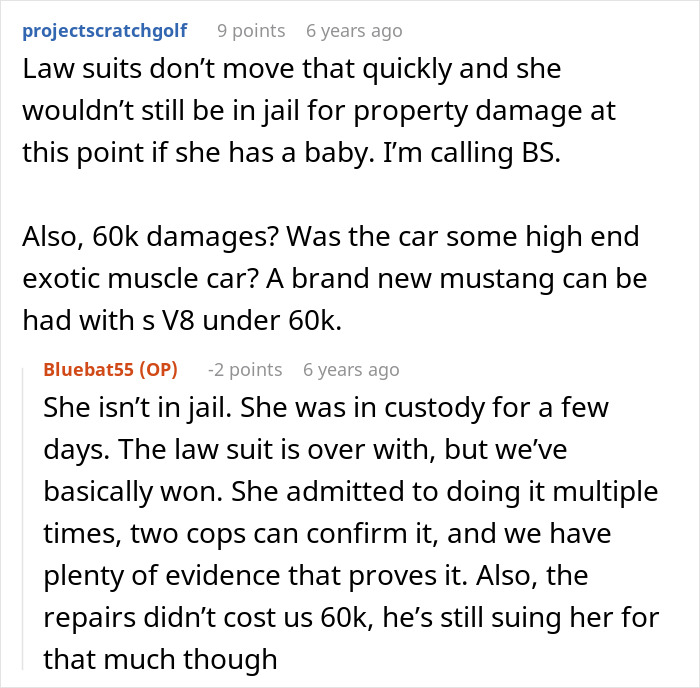
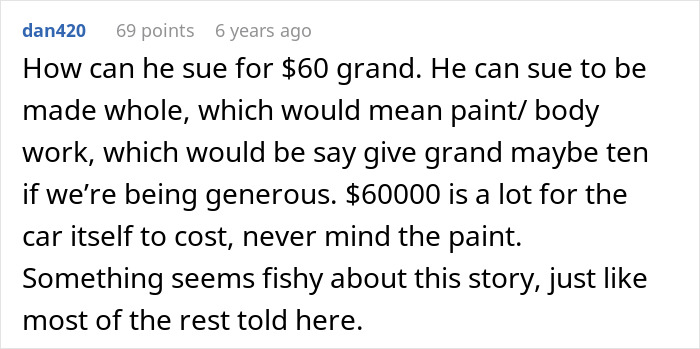
What she almost certainly didn’t weigh, because entitled reasoning tends to skip this step, is how expensive that belief would get. Keying a car is treated as a real, prosecutable crime in every state, not an eccentric neighborhood spat, and once repair costs cross a certain dollar line the charge stops being a misdemeanor and becomes a felony. Add a civil suit worth tens of thousands of dollars and the math turns brutal fast. That lines up with something researchers keep finding about entitled decision making, that people high in the trait tend to overestimate their own standing and underestimate how combative the people around them will actually be once they push back. “Karen” assumed the confrontation would end with her getting her way. Instead it ended with a court case, an arrest, and her leaving the neighborhood entirely, all set off by an afternoon car lesson she was never actually entitled to control in the first place.
The uncomfortable takeaway is that entitlement rarely stays contained to the moment that provoked it. It convinces people their irritation matters more than someone else’s rights, that consequences won’t apply to them, and that escalation isn’t just acceptable but justified. Stories like this one are satisfying precisely because reality eventually corrected all three assumptions at once, which is rare. The pattern that got her there, unfortunately, is not rare at all.







By entering your email and clicking Subscribe, you're agreeing to let us send you customized marketing messages about us and our advertising partners. You are also agreeing to our Privacy Policy.
Thank you! You've successfully subscribed to newsletters!


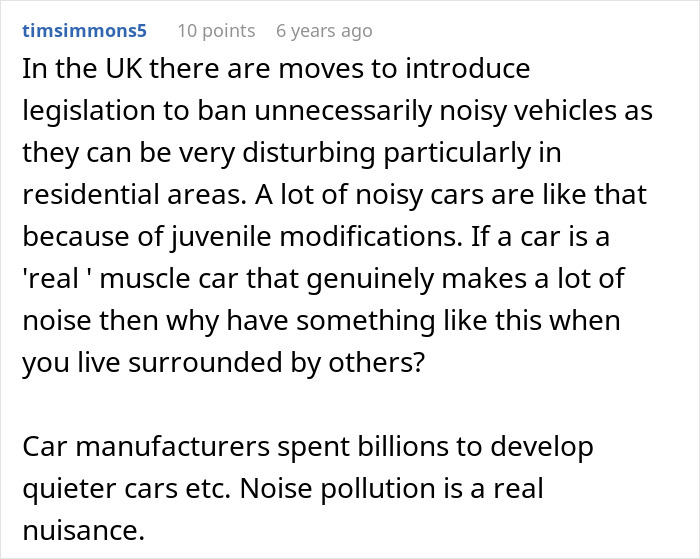
So many holes in this story, notably the confusion with arrests/warrants, lawsuits, trials etc. but also why are we supposed to believe that a car be it manual or auto, should make a loud noise only when you first start it? Doesn't make sense, unless you sit there with your foot on the pedal deliberately revving it.

And with no witnesses or footage, she not only admits it to them but also to the cops? Doubtful.
Load More Replies...

So many holes in this story, notably the confusion with arrests/warrants, lawsuits, trials etc. but also why are we supposed to believe that a car be it manual or auto, should make a loud noise only when you first start it? Doesn't make sense, unless you sit there with your foot on the pedal deliberately revving it.
And with no witnesses or footage, she not only admits it to them but also to the cops? Doubtful.
Load More Replies... 



























 No fees, cancel anytime











30
7