Get Premium
Dark mode theme is available exclusively for premium users. Learn more about the benefits of subscribing.
No fees, cancel anytime.

 Dark Mode Ad-Free Browsing Unlimited Content
 Ad-Free Browsing Unlimited Content Dark Mode
Join 1.2 million Panda readers who get the best art, memes, and fun stories every week!


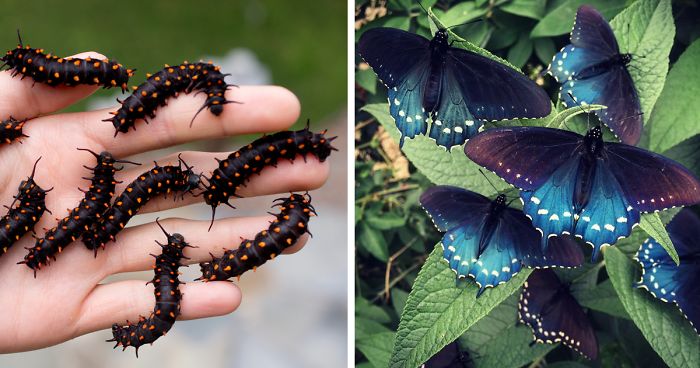
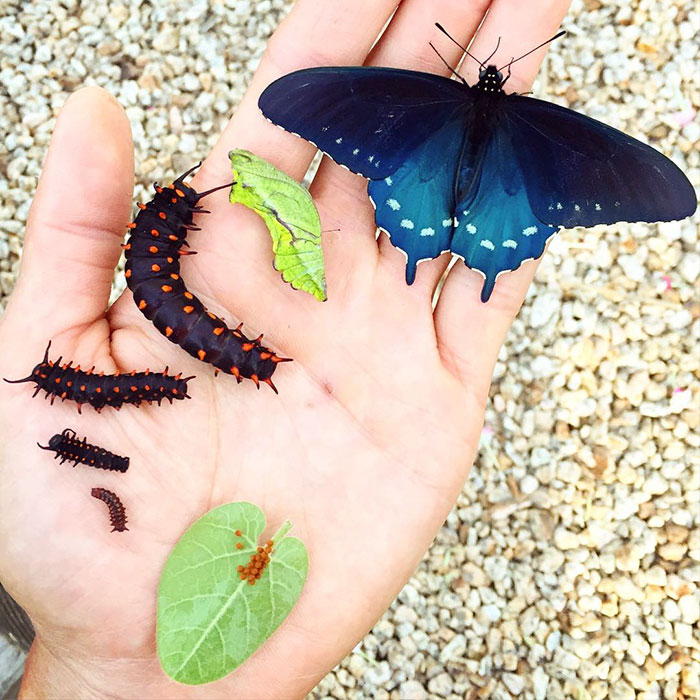
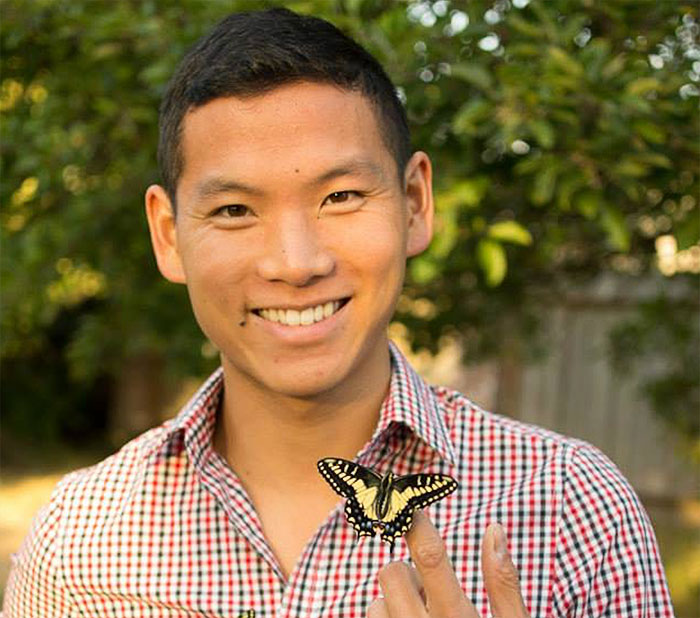
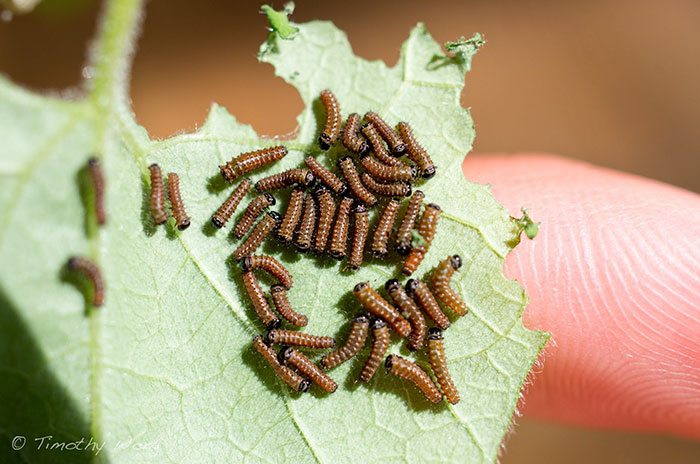
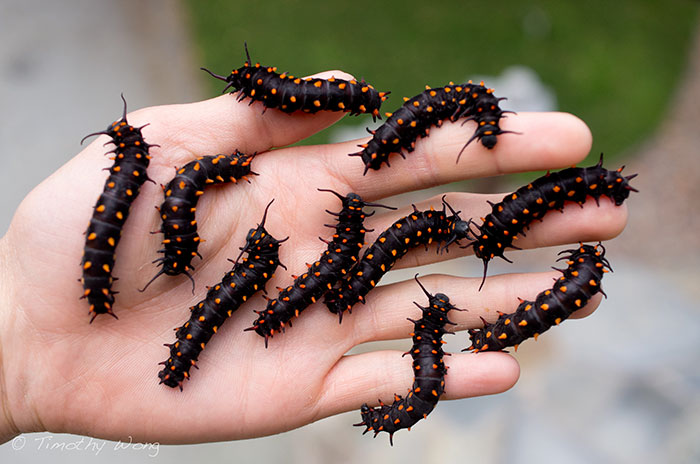
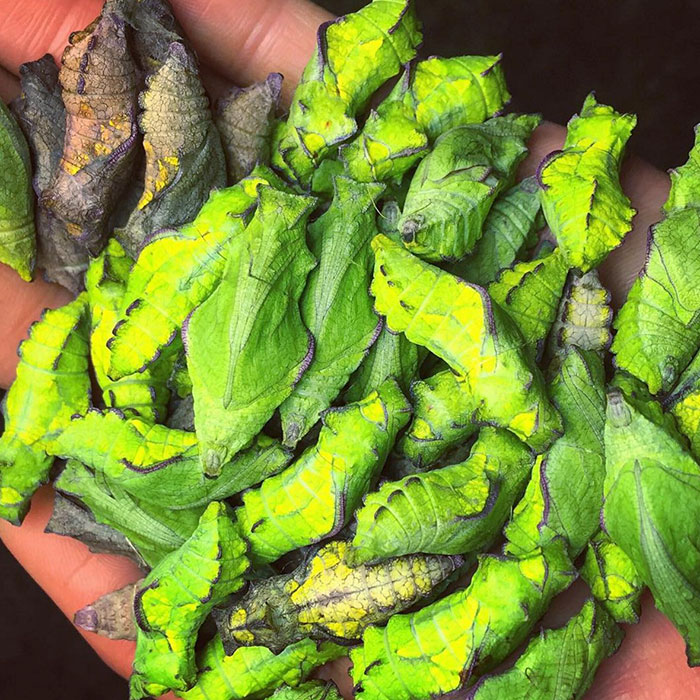
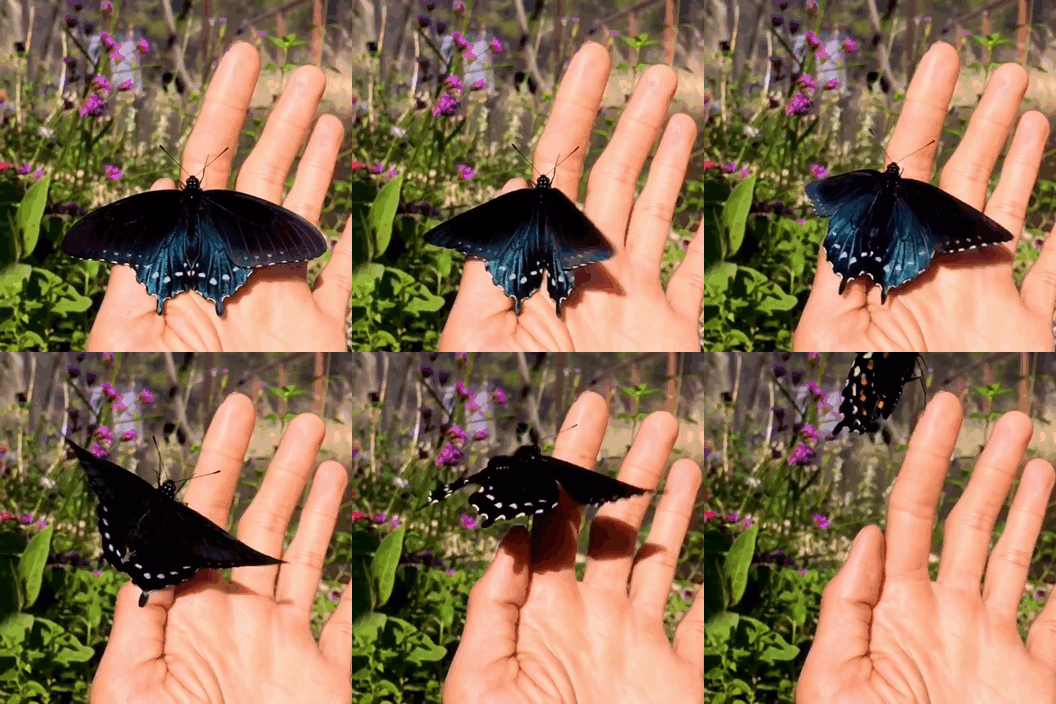
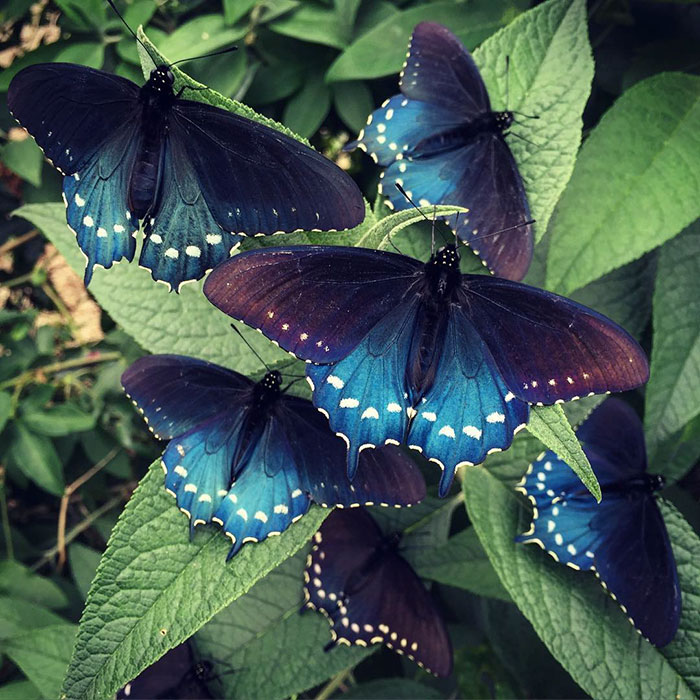
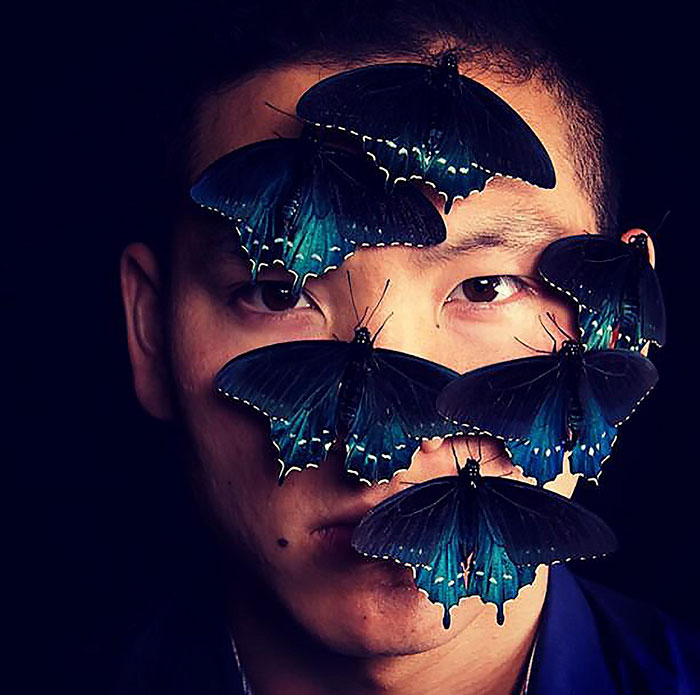
The California Pipevine Swallowtail (Battus philenor hirsuta) is a locally rare butterfly within San Francisco. Now, thanks to California Academy of Sciences aquatic biologist, Tim Wong, the butterfly species is gradually repopulating in the area again.
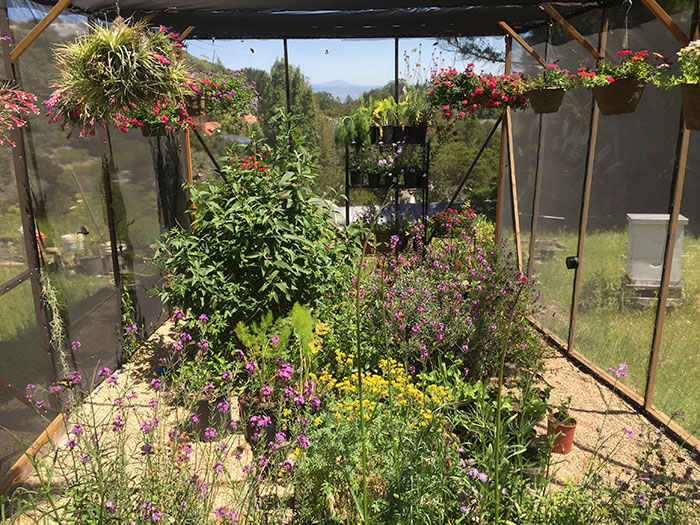
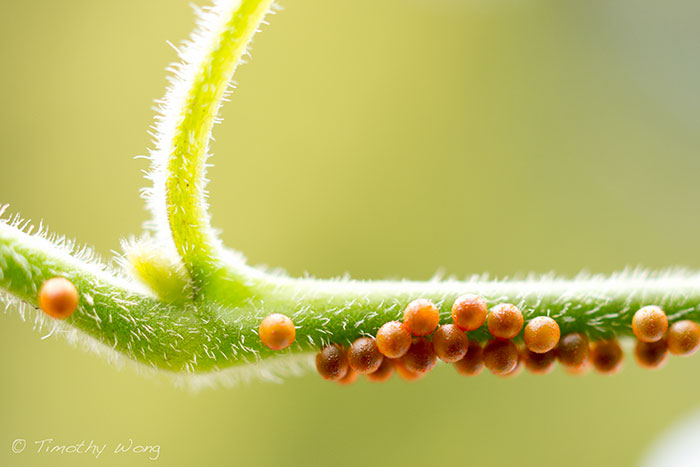
The biologist built a greenhouse for the butterflies in his own backyard. It had all the perfect conditions for butterflies to grow – sunlight, temperature fluctuations, and an occasional nice breeze. He also learned that the butterflies only feed on one plant – the California pipevine (Aristolochia californica), which was pretty hard to track down. After a while, Wong found the plant in a botanical garden, which allowed him to take a few clippings of the plant. Once his butterfly paradise was built, Wong transported 20 caterpillars to it and let them grow. Now, around 3 years later, his butterfly home is thriving, and he’s not stopping yet!
More info : Instagram | Booster (h/t: vox, mymodernmet)
70Kviews
Share on Facebook




Intentions and skills. He knew what he was doing. Well done to him though, one small piece of nature rescued
Load More Replies...

I have "captured" Monarch caterpillars, fed them, etc. and tagged them after going to monarchwatch.org! VERY interesting, but VERY sad s you don't see as many Monarchs as you used to! You can thank Monsanto for the loss of butterflies and more!!!!!

> bashes Monsanto > promotes project funded by Monsanto
Load More Replies...
Well done, they are stunning butterflies, it would have been so sad to loose them from the world

I freaked out looking at the pic of the caterpillars but truly inspirational!! :)

I attend the Butterfly Pavilion every year here at the Natural History Museum of Los Angeles. I was lucky enough to get pics of this very butterfly! How lucky I am! P1080478-5...a375b7.jpg 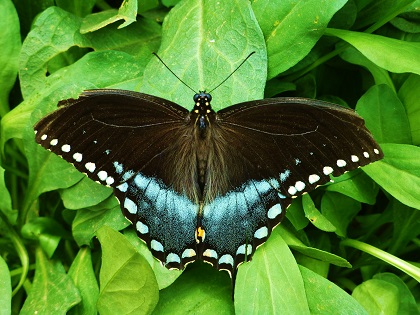

A marvelous work! But if this butterfly feeds off one single species of plant, the California Pipevine, unless more of them are planted to sustain the growing population, then there are gonna be problems... Try to get the town to participate, to plant some of these in public gardens. They are indigenous to the area (they are called CALIFORNIA pipevines, after all), so schools could also be involved to teach children about the local flora and fauna and the importance of conservation. So many possible projects!
Intentions and skills. He knew what he was doing. Well done to him though, one small piece of nature rescued
Load More Replies... I have "captured" Monarch caterpillars, fed them, etc. and tagged them after going to monarchwatch.org! VERY interesting, but VERY sad s you don't see as many Monarchs as you used to! You can thank Monsanto for the loss of butterflies and more!!!!!
> bashes Monsanto > promotes project funded by Monsanto
Load More Replies... Well done, they are stunning butterflies, it would have been so sad to loose them from the world
I freaked out looking at the pic of the caterpillars but truly inspirational!! :)
I attend the Butterfly Pavilion every year here at the Natural History Museum of Los Angeles. I was lucky enough to get pics of this very butterfly! How lucky I am! P1080478-5...a375b7.jpg
A marvelous work! But if this butterfly feeds off one single species of plant, the California Pipevine, unless more of them are planted to sustain the growing population, then there are gonna be problems... Try to get the town to participate, to plant some of these in public gardens. They are indigenous to the area (they are called CALIFORNIA pipevines, after all), so schools could also be involved to teach children about the local flora and fauna and the importance of conservation. So many possible projects!






































 No fees, cancel anytime
 then open in external browser


 and click "Open in External Browser"







487
36